Working Inside a Live Rail Operation
You don’t get second takes on a working rail line. You have to be ready before anything happens.
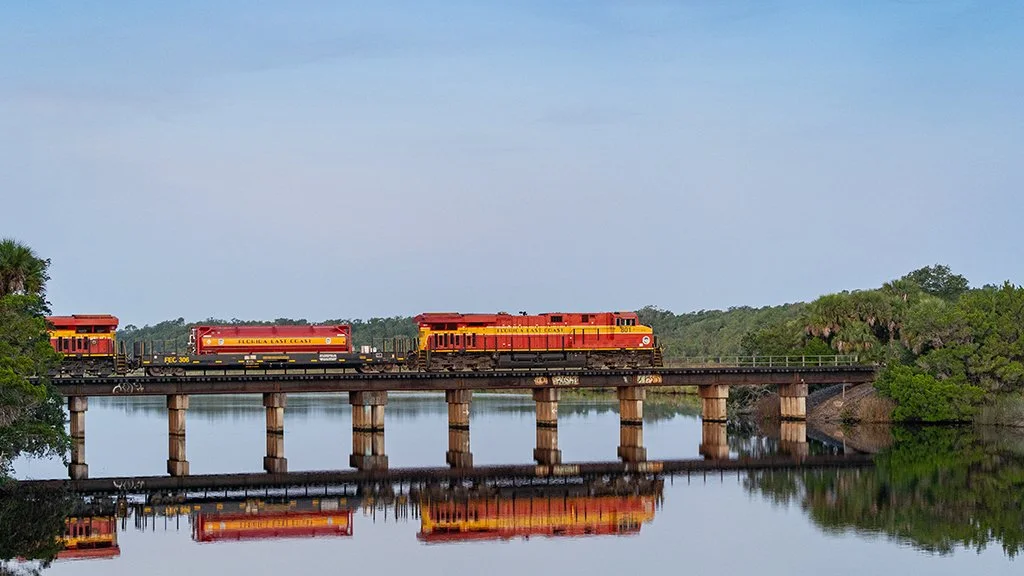
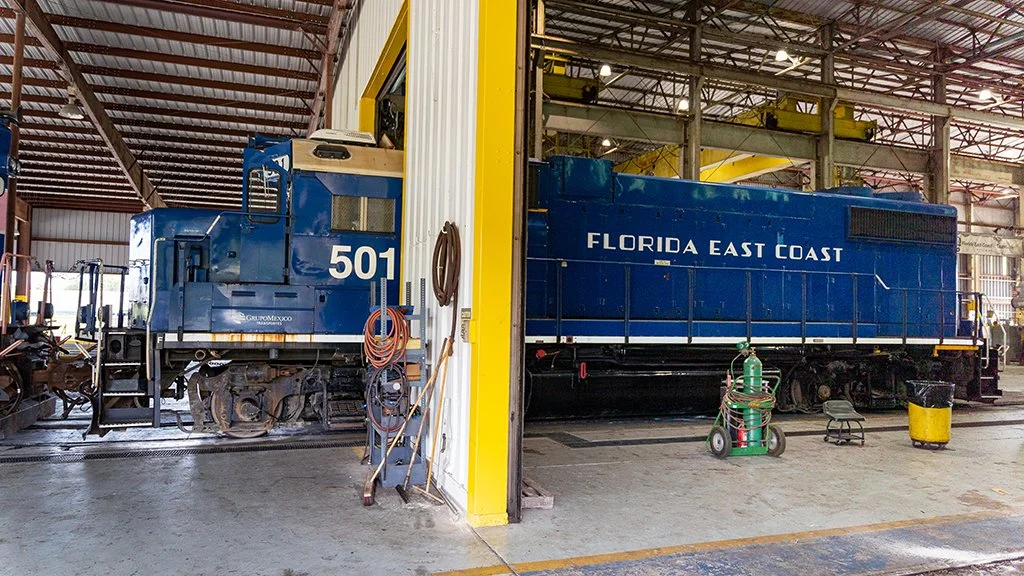
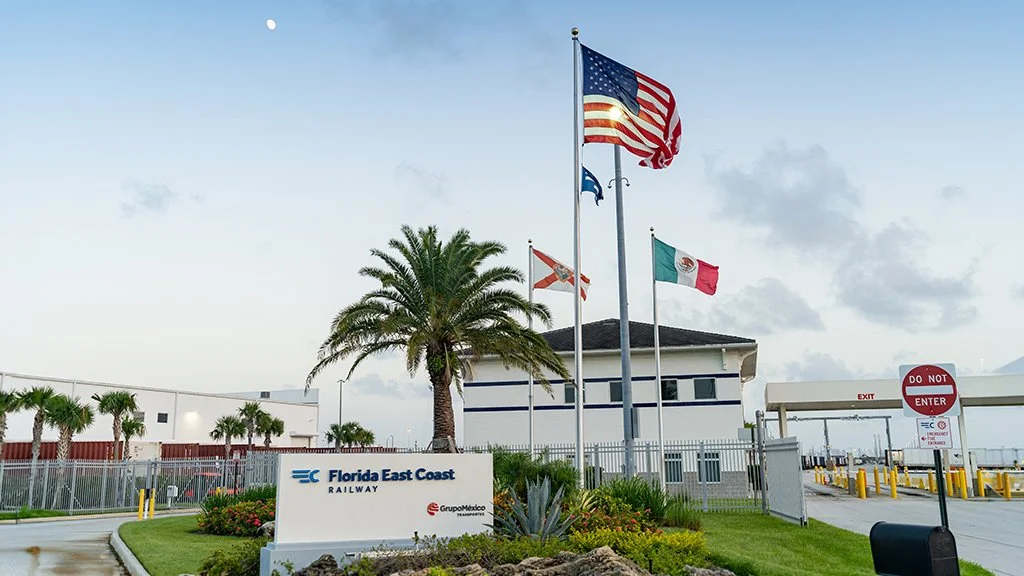
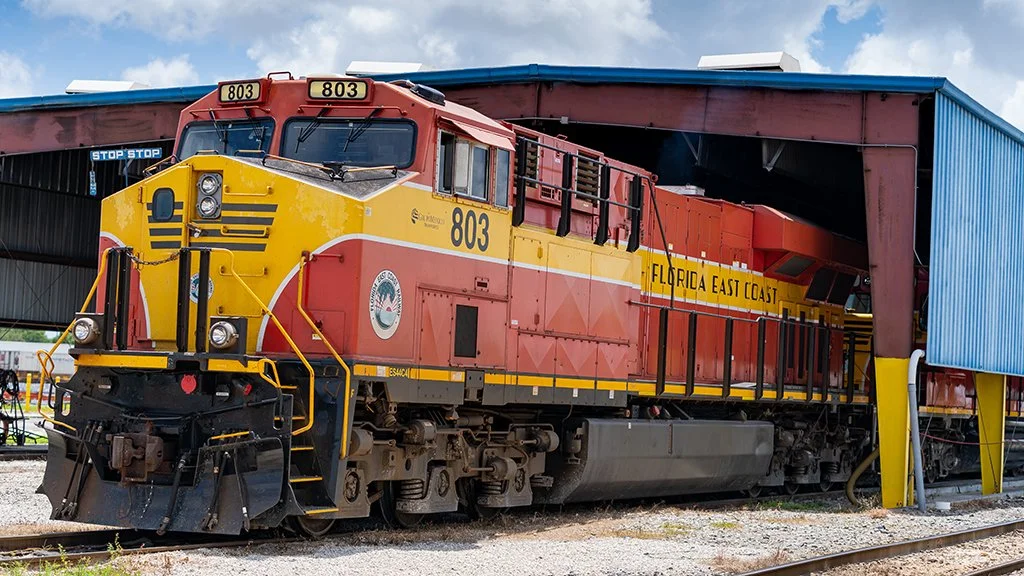
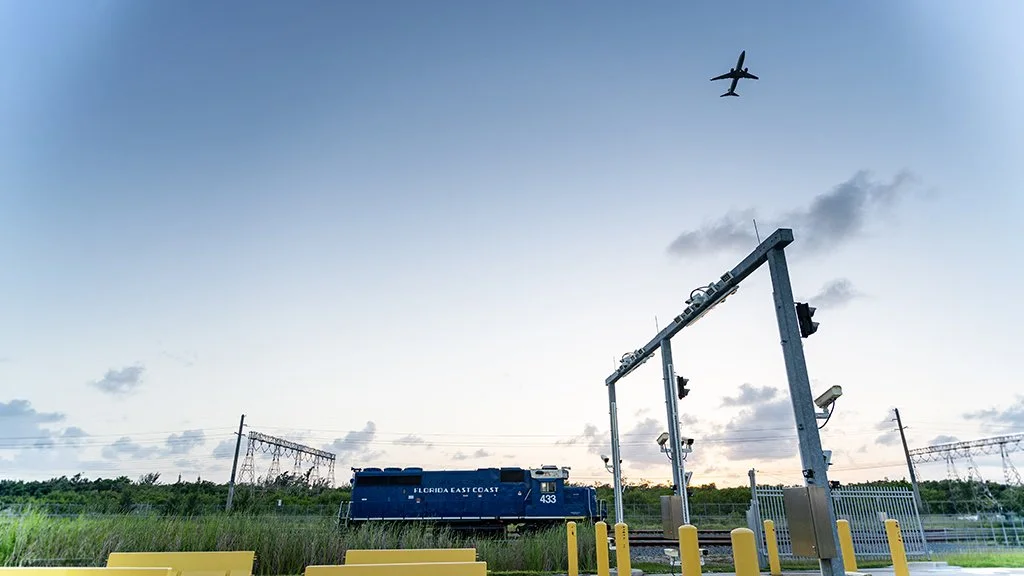
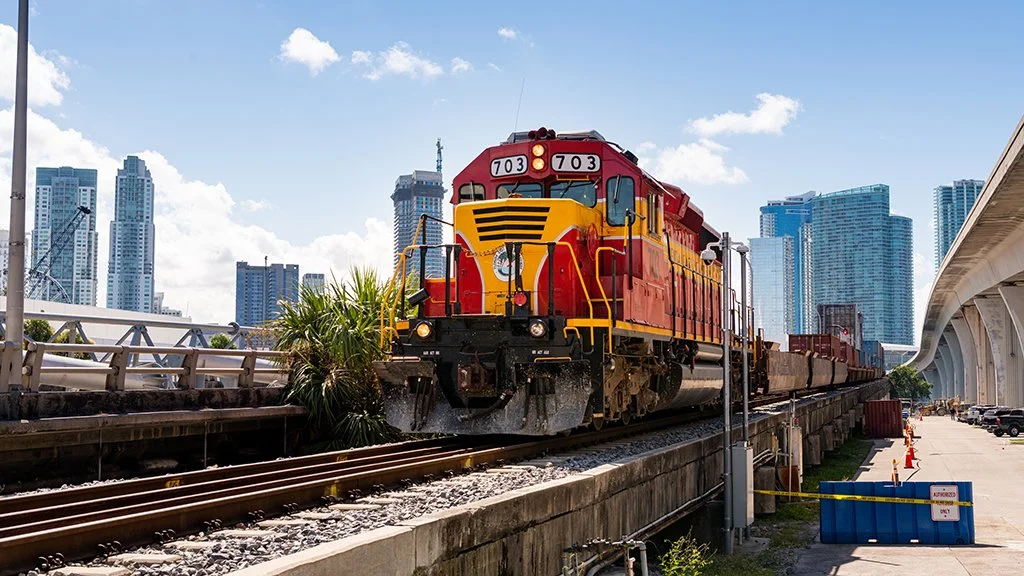
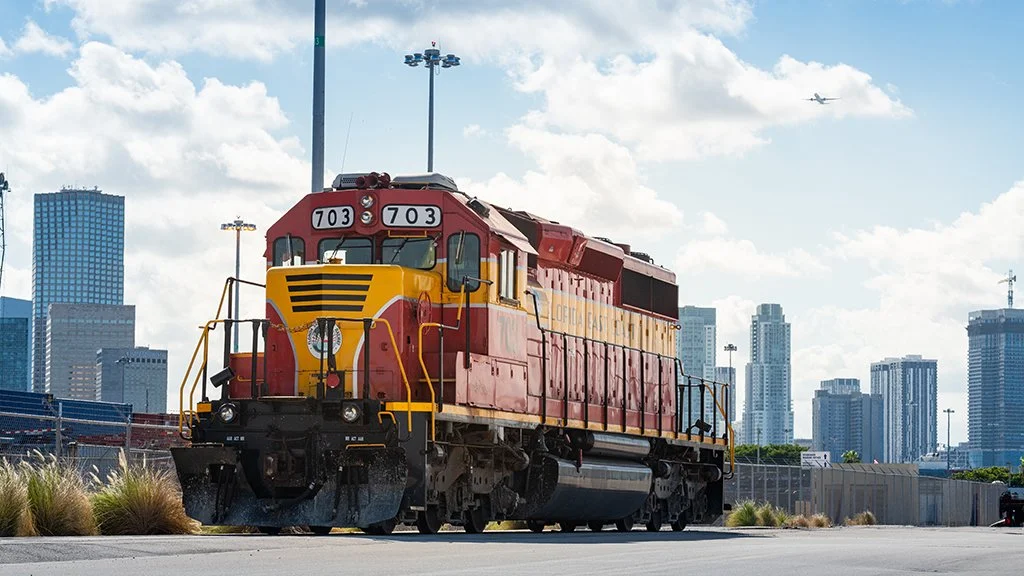
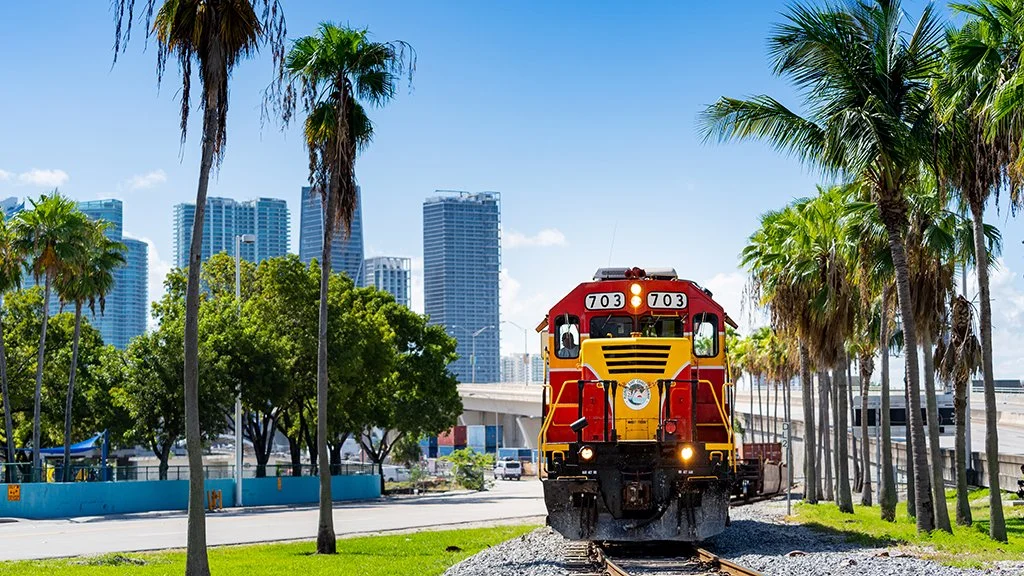
This project took place along the Florida East Coast Railway, a 351 mile line running from Jacksonville to Miami. It is an active freight operation moving goods between major ports and cities across the state. Trains are on schedule, crews are working, and nothing slows down for a production.
The goal wasn’t to document a single day. It was to build a commercial photo and video image library that could support marketing and communications over time. That shift in purpose changes how you approach everything.
Starting With the Right Fit
This project came to me through my friends at Kennetic Productions. Chris Kennelly, Kennetic’s CEO, made the introduction after realizing the project would be a better fit for how I typically operate. On the client side, coordination was led by Martina Joissaint and the team at Florida East Coast Railway.
Kennetic and I have worked together across a range of projects over the years. Sometimes I’m brought in as a DP, sometimes as a camera operator, and other times focused on still photography. It’s an ongoing relationship built around trust and flexibility depending on what a project needs.
In some cases, that also means they’ll reach out when a project falls outside their typical scope or capacity but still needs to be handled at a high level. This was one of those. The scale and budget didn’t align with how their team is typically structured, but it was a strong fit for how I work.
Because of that, I was able to approach it with a lean crew and a flexible plan while still delivering something thoughtful and usable. That flexibility ended up being a big part of what made the project successful. It’s a collaboration with Kennetic that continues to evolve across different types and scales of production.
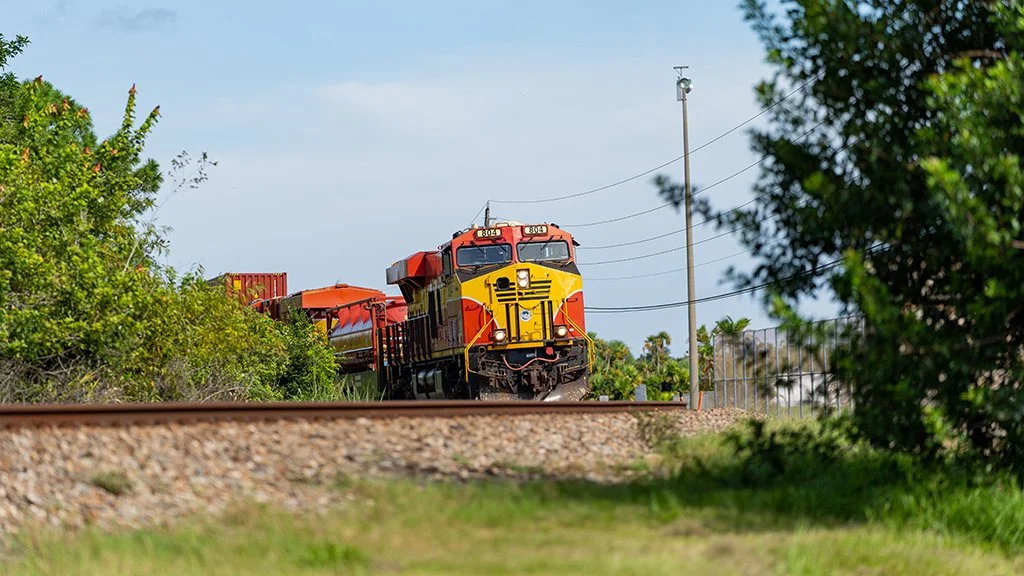
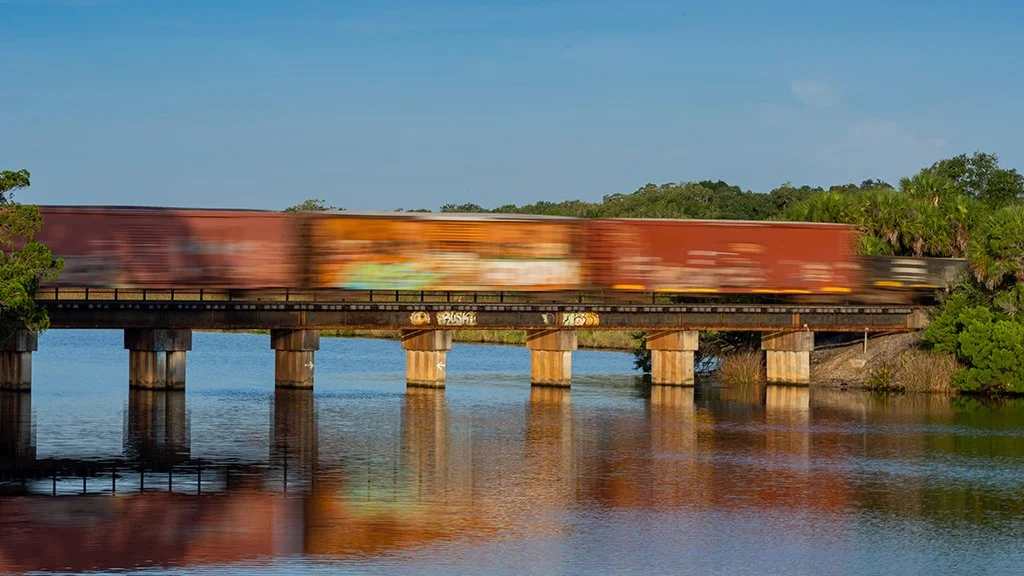
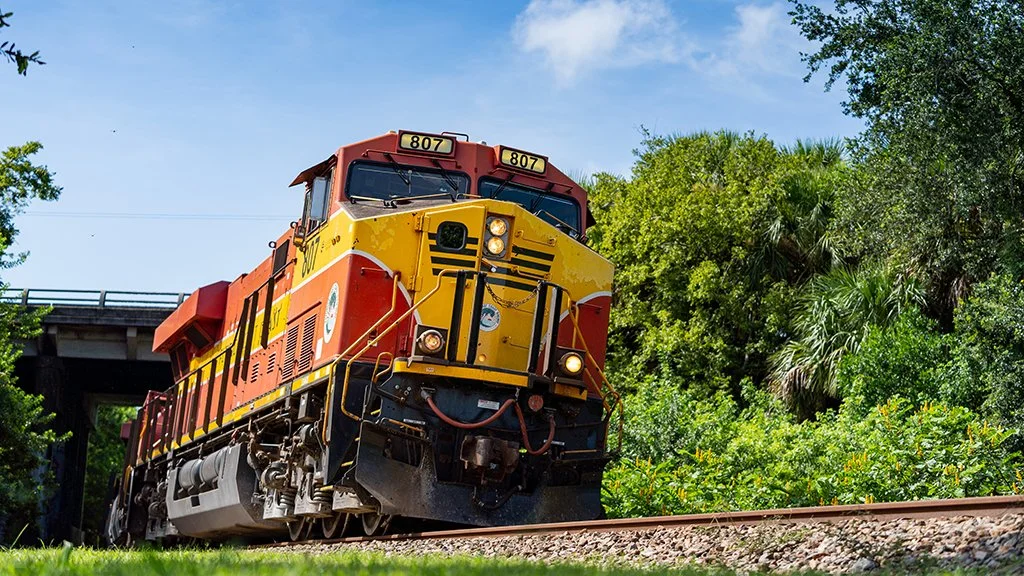
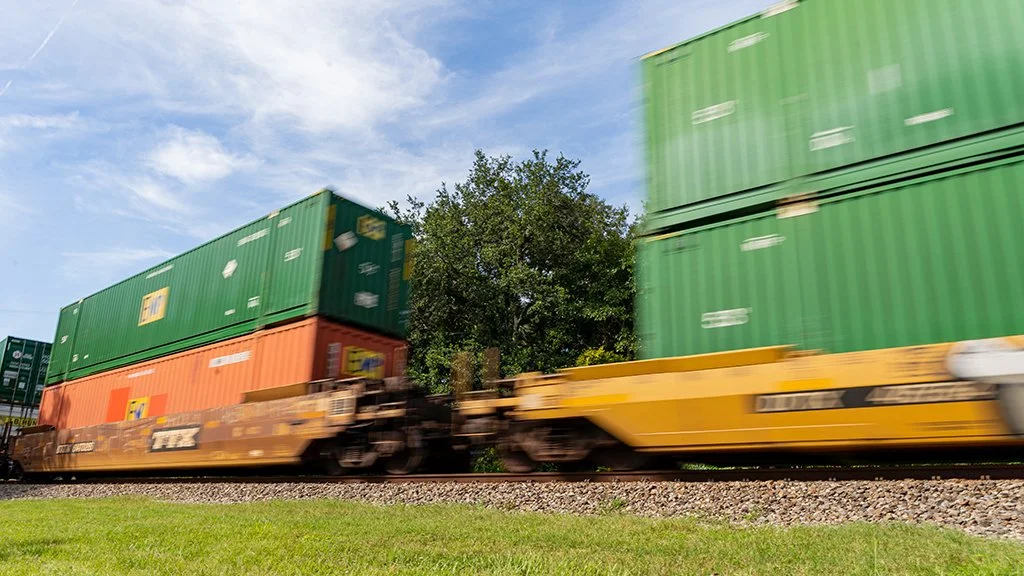
Capturing motion at different speeds and perspectives was key to building a well-rounded image library.
Planning the Route Before the Shoot
The biggest challenge was that we weren’t working in one location. We were following a rail line that runs the length of the state.
We started by mapping the entire route and identifying key visual opportunities. Anywhere the tracks curved, crossed water, moved through a city, or opened into a strong landscape.
At the same time, we were building the plan around a second layer of locations. Not just where the train looked interesting, but where the operation actually happens. Rail yards, maintenance facilities, intermodal ramps, and cargo terminals all needed to be incorporated into the schedule.
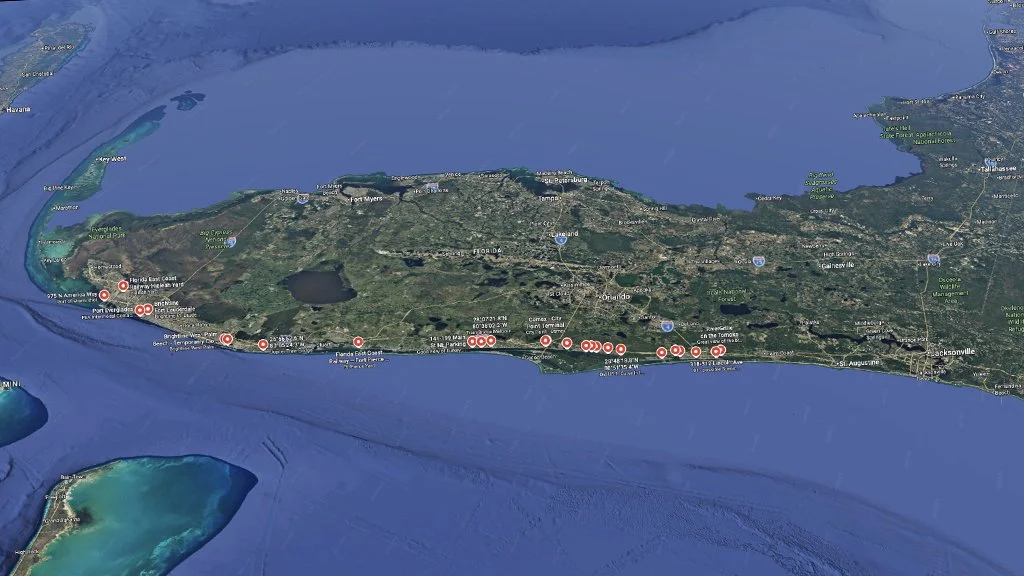
Mapped route of the Florida East Coast Railway image library project, following the line from Jacksonville to Miami with key locations and stops along the way.
It looks simple on a map. In practice, every stop depends on timing, distance, and variables you can’t control.
From there, we built a working route based on where we needed to be, how long it would take to get there, and when the train would pass through. It became a balance between positioning for moving trains and making time for the environments that support them.
We mapped out a north to south progression, starting in Jacksonville and working our way down to Miami, positioning ourselves ahead of the train instead of reacting to it. At least, that was the plan.
When the Plan Meets Reality
Any time you’re working inside a live operation, there are variables you can’t control. Schedules shift, timing changes, and information on paper doesn’t always reflect what’s happening in the field in real time.
Working along an active rail line means you’re operating inside a system that’s constantly adjusting. The challenge isn’t just being in the right place, it’s understanding how that system moves and how to position yourself within it.
That’s where operational insight becomes critical. The closer you are to the actual movement of the trains, the more precise and efficient the production becomes. And when that access is there, everything changes.
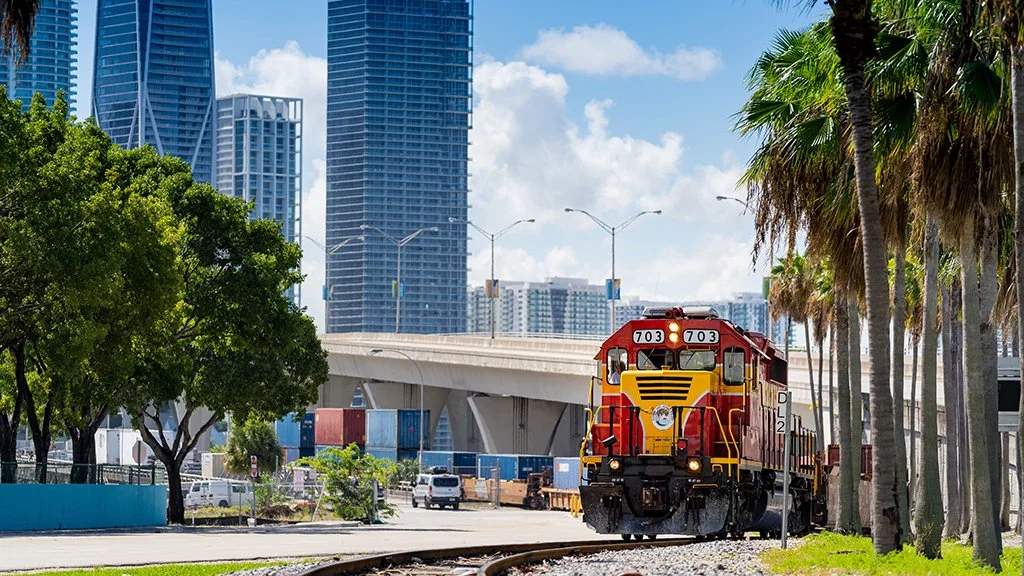
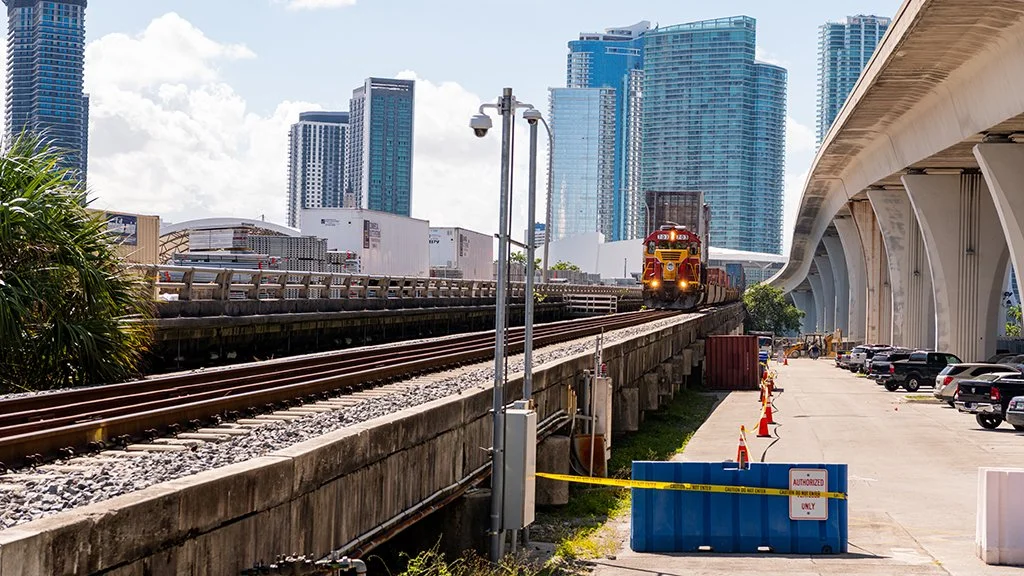
As we moved further south into the more congested areas of Fort Lauderdale and Miami, it became even more important to work closely with operations and logistics. That alignment allowed us to better time key moments, particularly trains moving into PortMiami, and ultimately led to some of the strongest images from the project.
A Small Crew With a Clear Plan
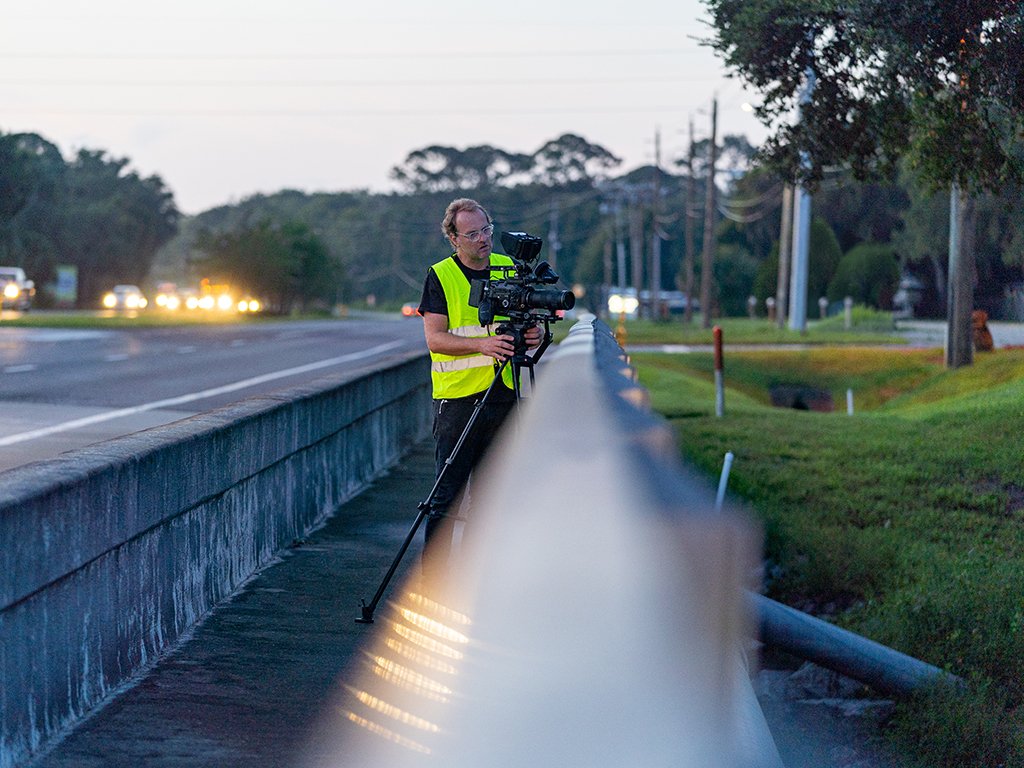
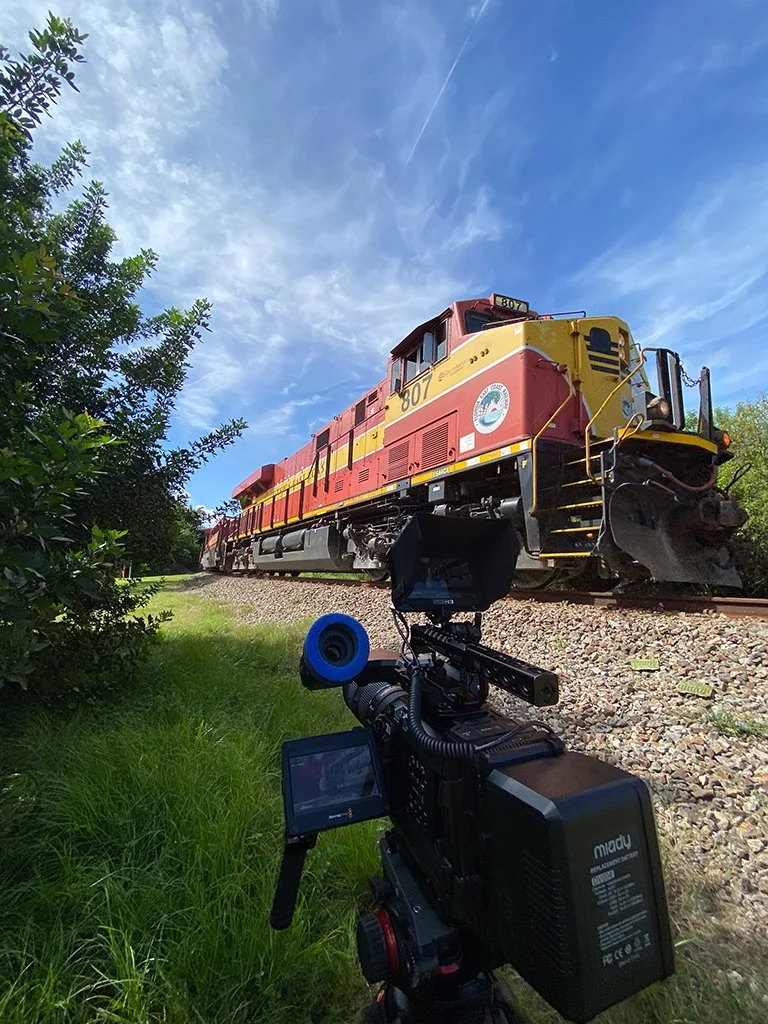
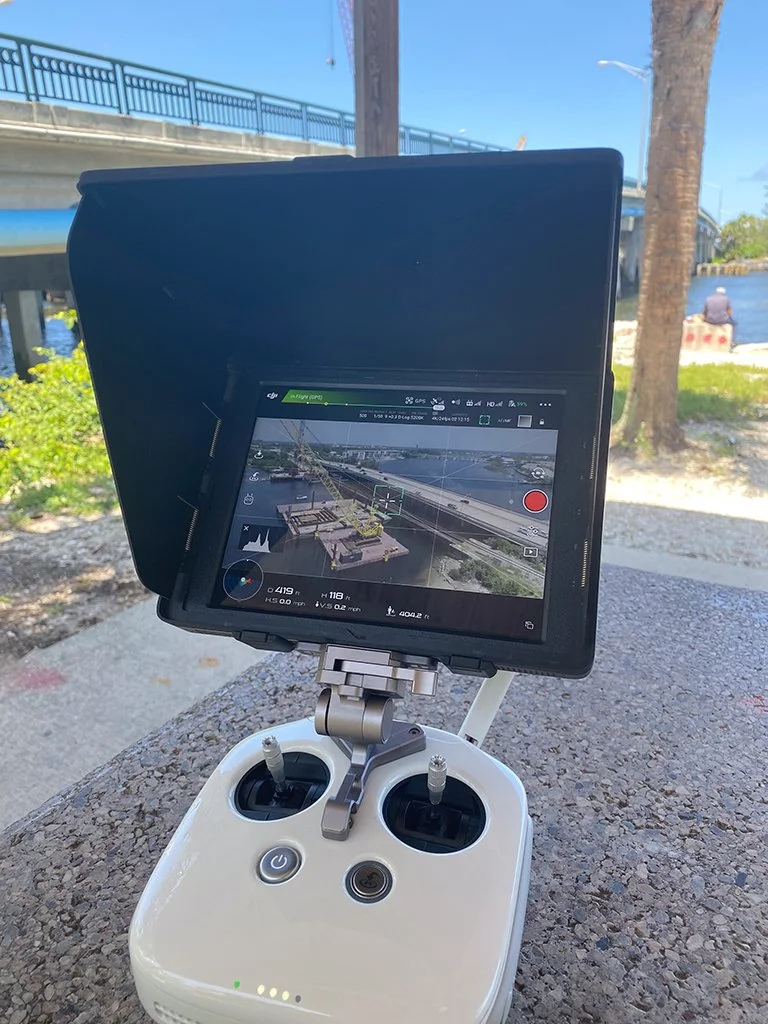
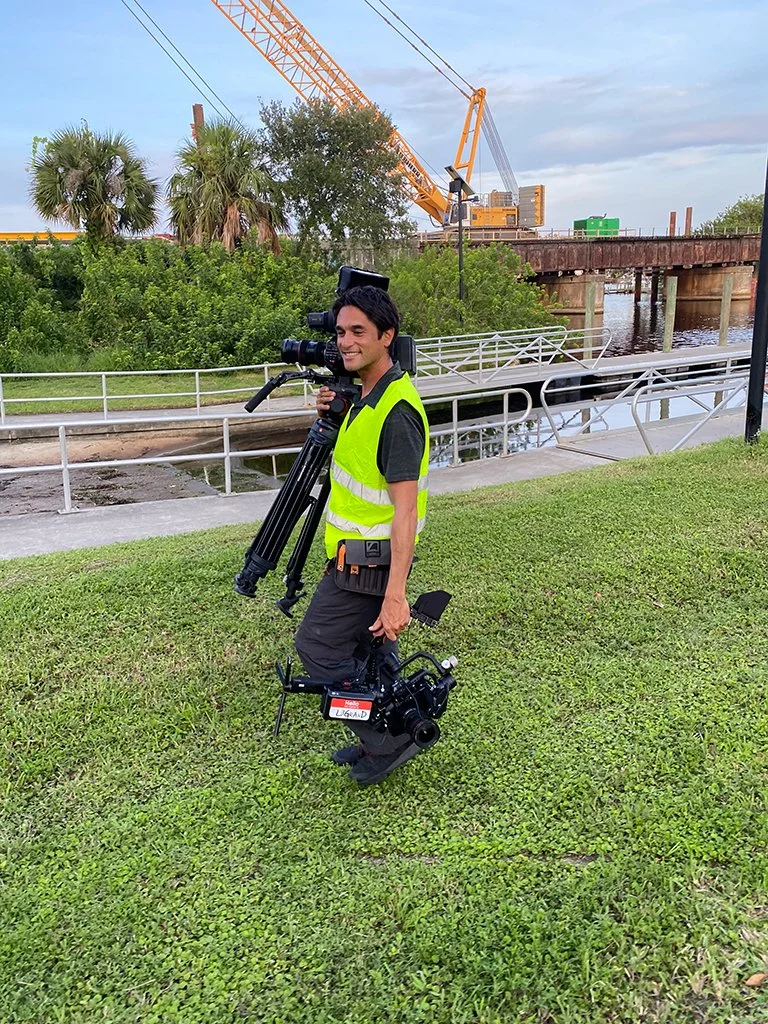
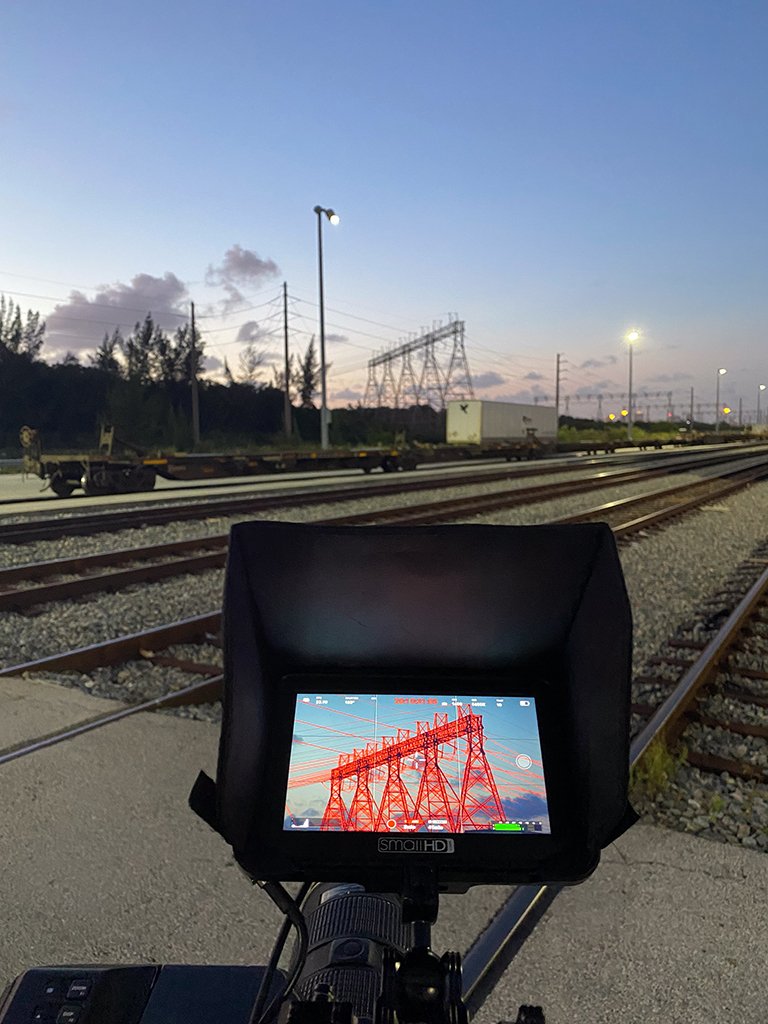
The production itself was intentionally lean. I was focused on video and aerial coverage, Jon Noeth was shooting alongside me, and Greg Olech was capturing still photography.
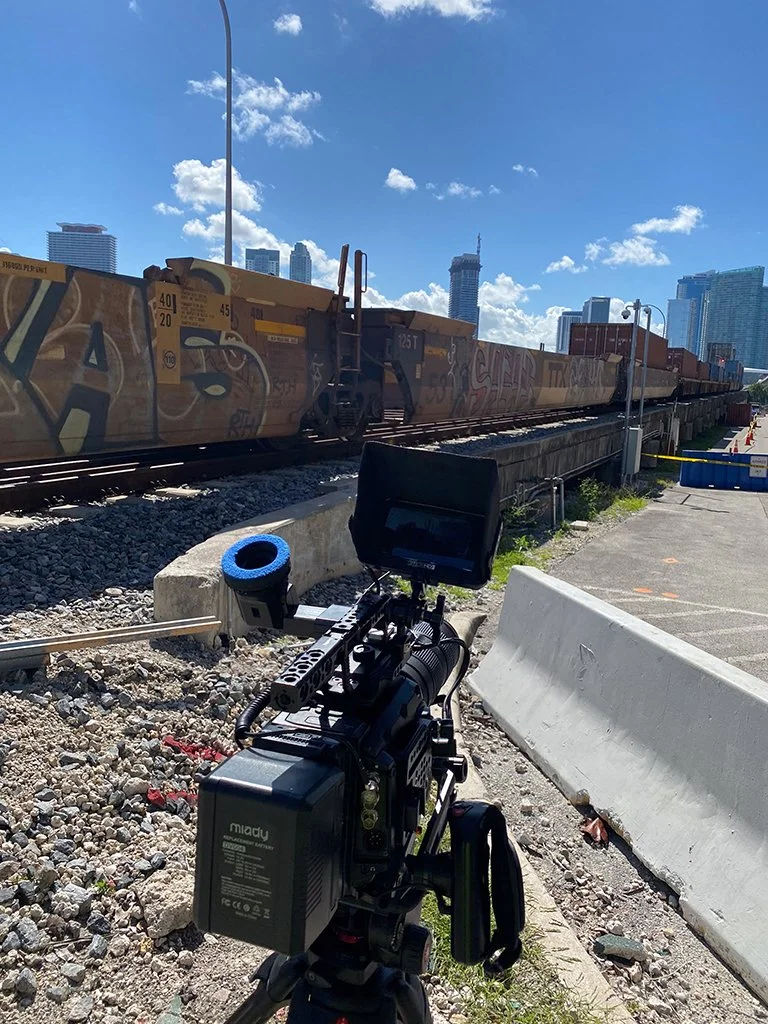
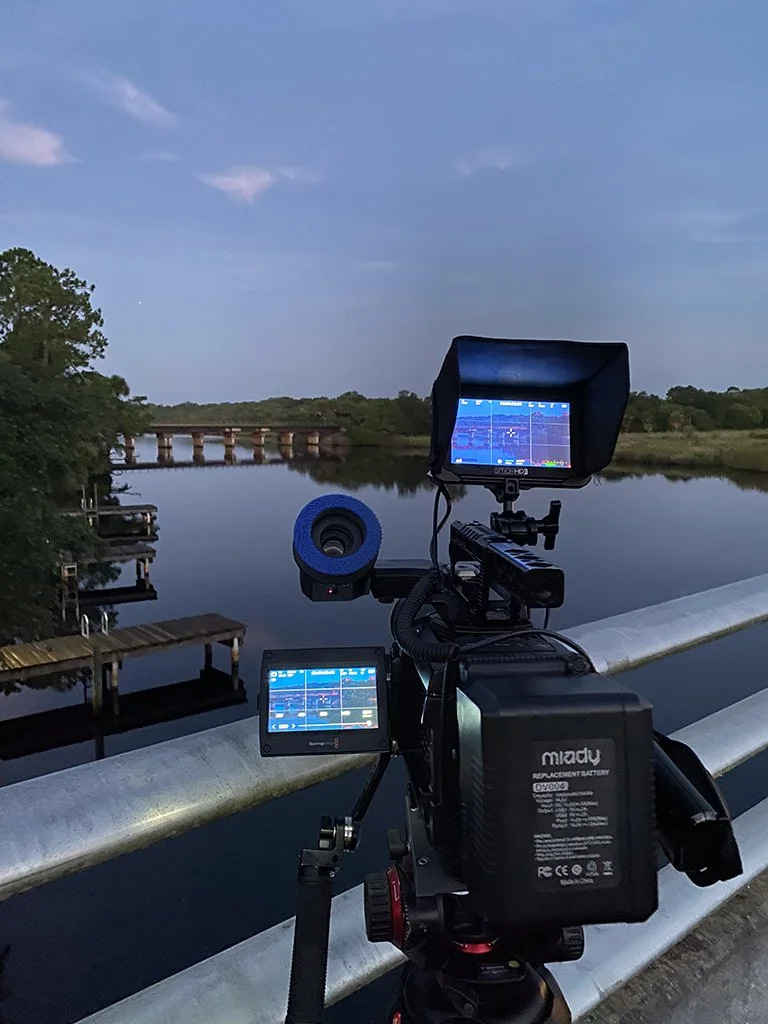
At each location, we weren’t duplicating coverage, we were building it. Jon and I split motion coverage across different focal lengths, frame rates, and perspectives, while Greg captured stills that matched the same visual approach. That alignment is what allowed the final library to feel cohesive across both photo and video.
Consistency isn’t accidental — it’s built, one setup at a time.
Building an Image Library, Not Just Capturing Moments
The deliverable wasn’t just a set of strong clips or photos. It needed to function as a long term image library that could support a range of uses over time, which meant thinking in layers from the start.
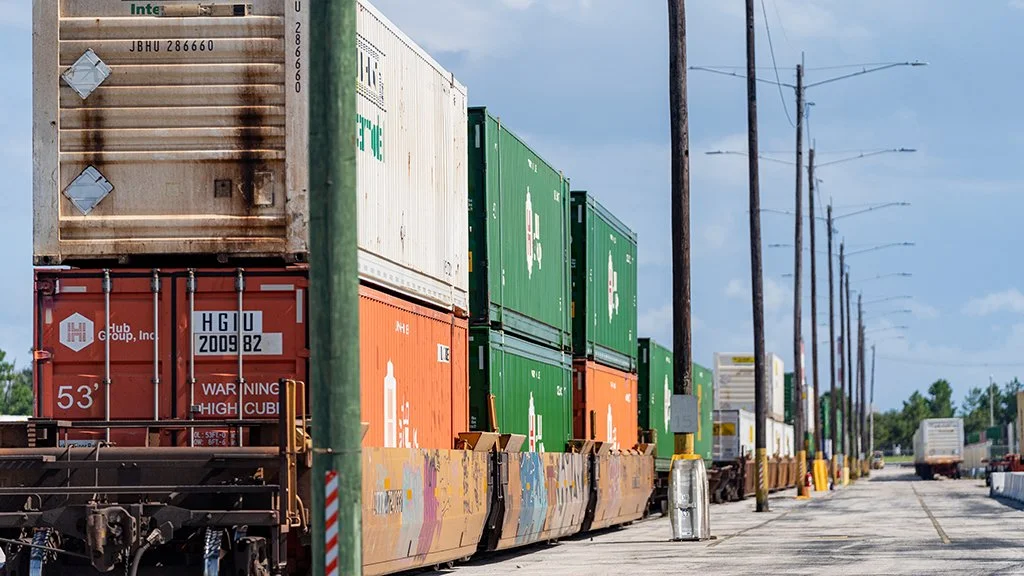
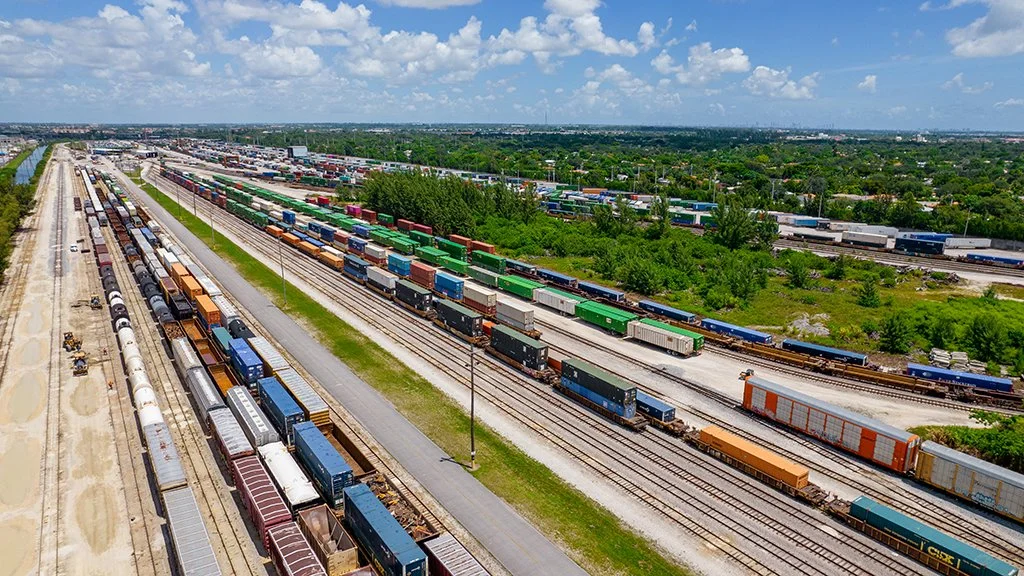
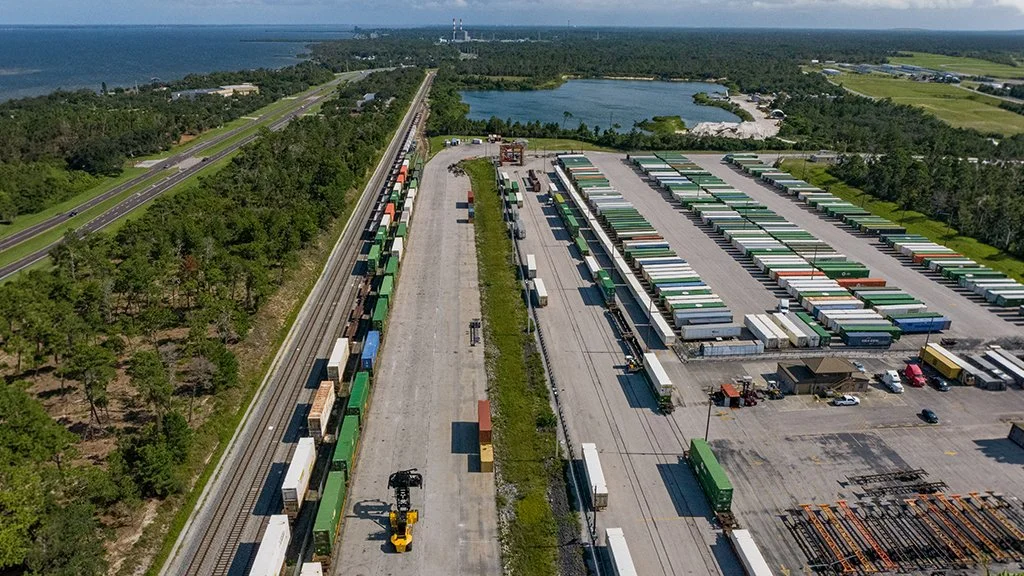
We approached it by building a range of perspectives, from wide environmental shots that establish scale, to medium frames that show the operation, to tighter details that support storytelling. But just as important as how we framed things was what we chose to include.
It’s one thing to show where a train goes. It’s another to show how the system behind it actually works.
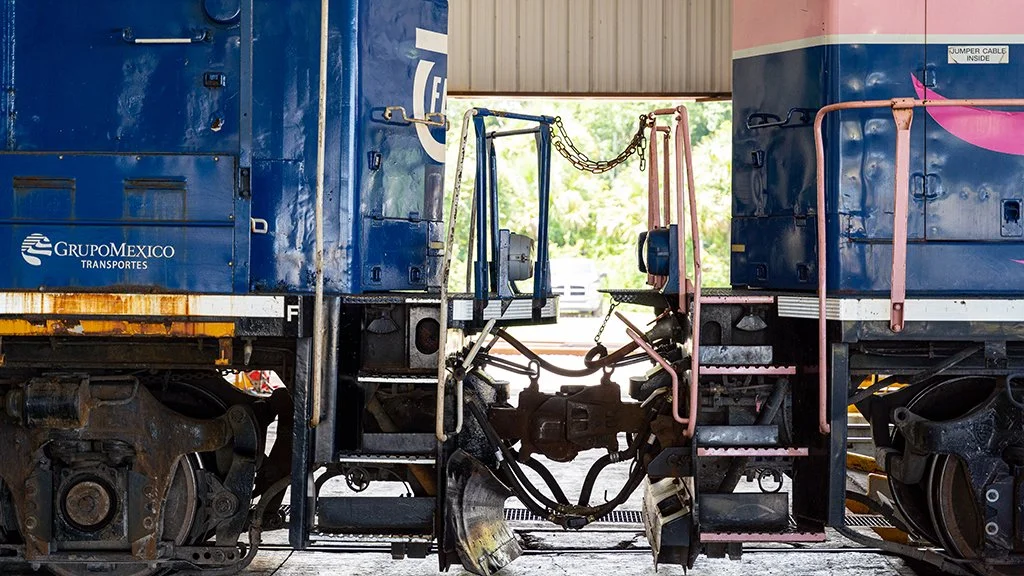
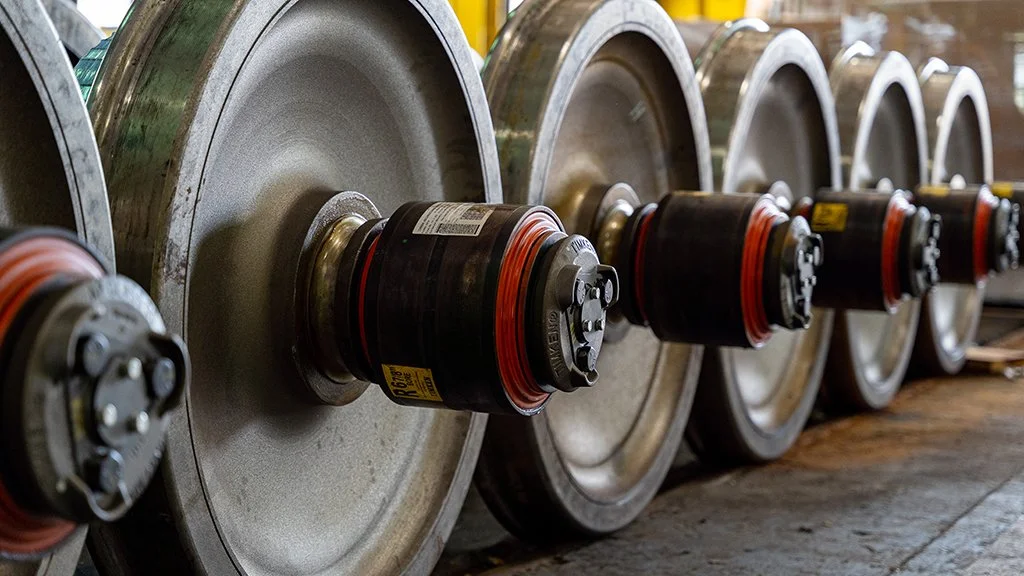
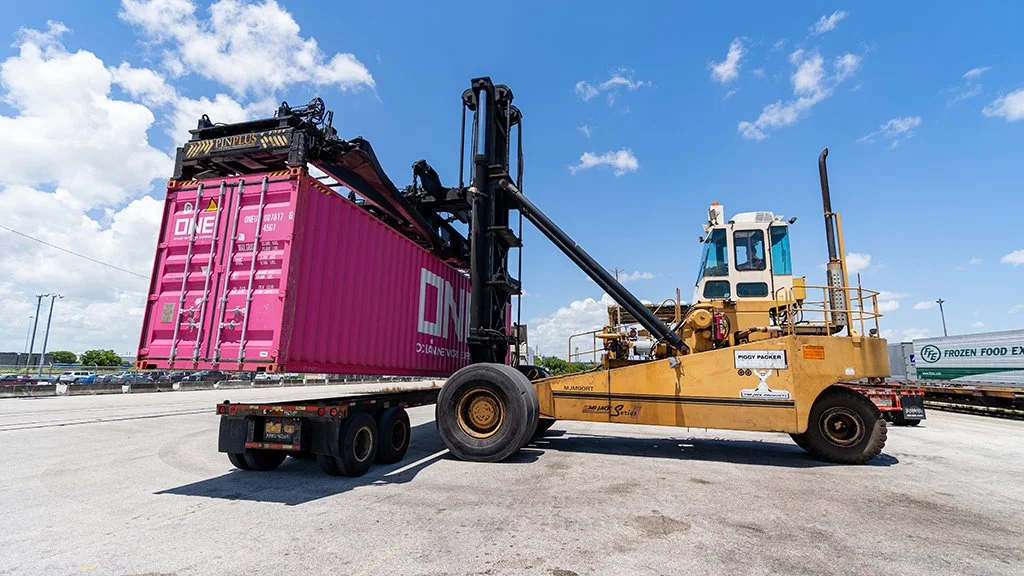
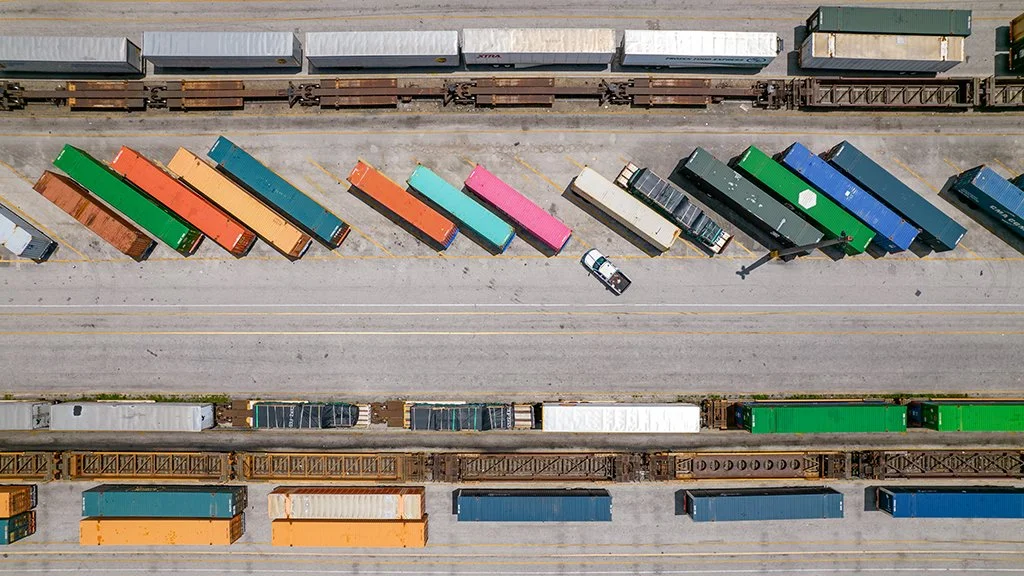
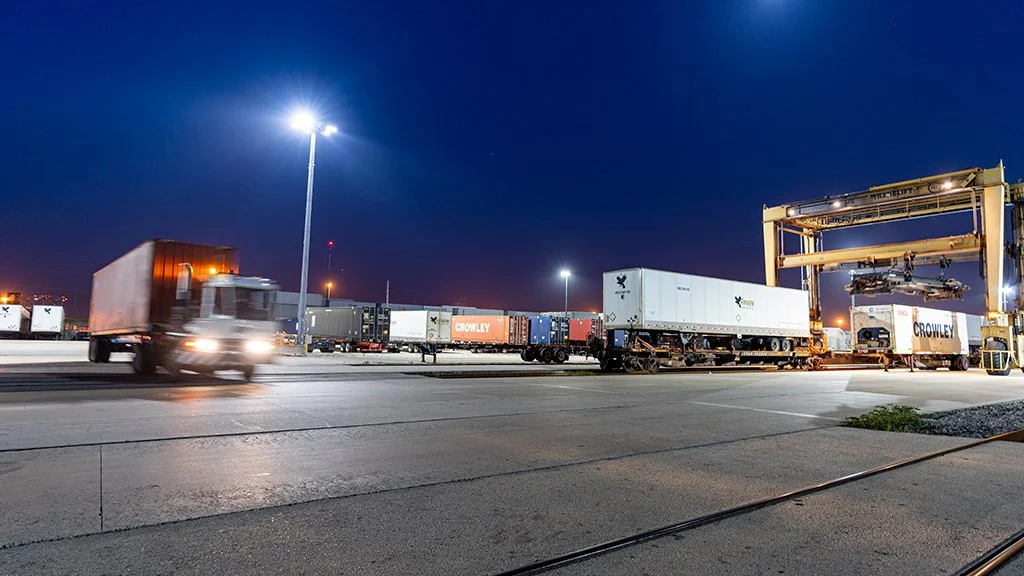
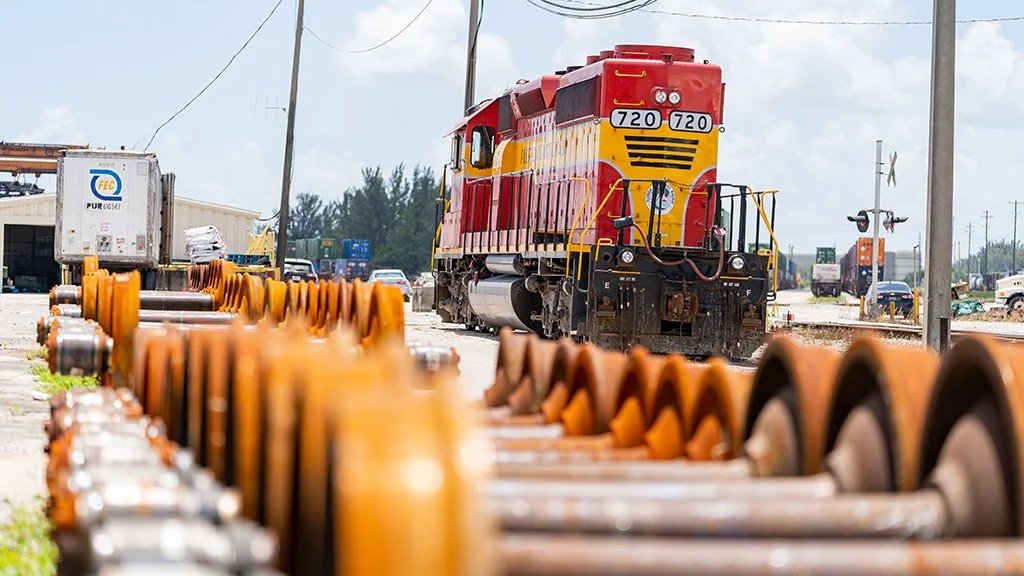
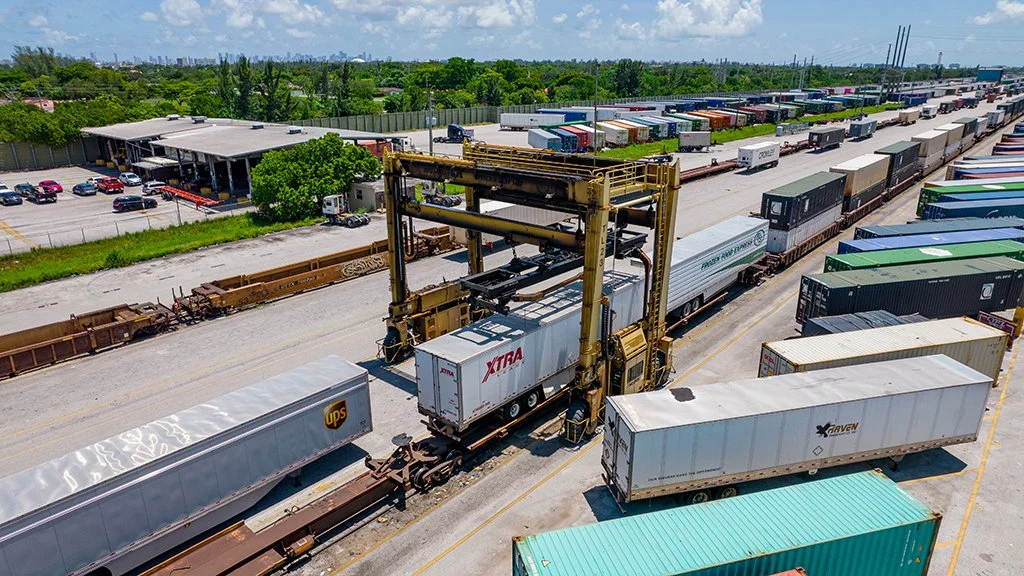
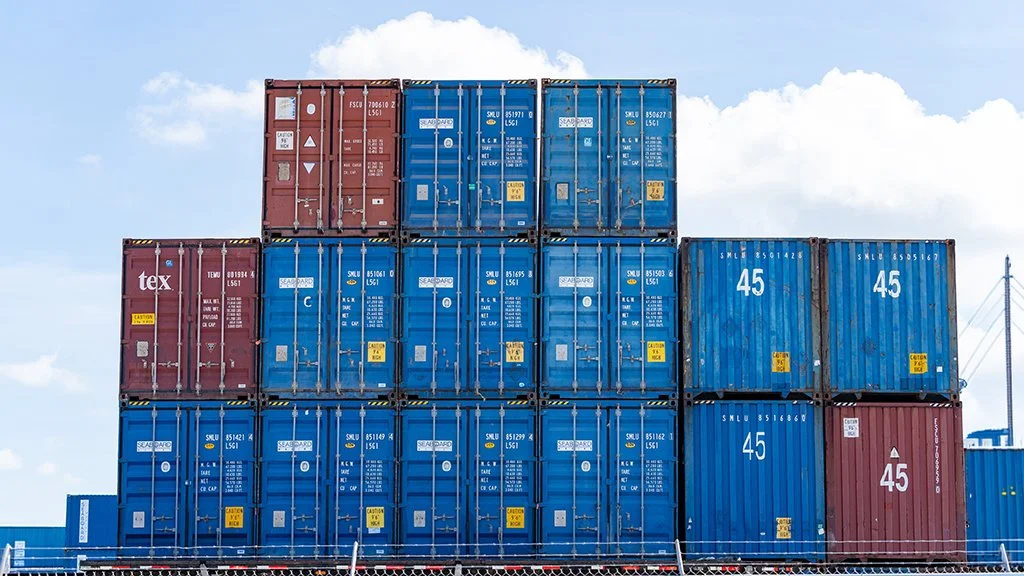
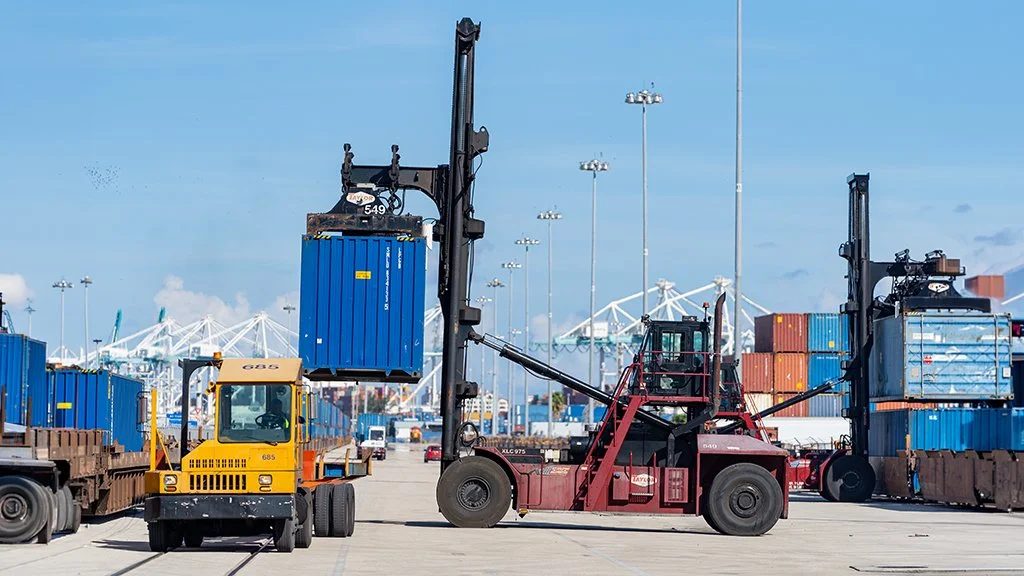
That meant looking beyond trains moving through the landscape and focusing on the full operation. Rail yards where maintenance is performed, intermodal ramps where cargo is transferred, and port facilities where goods are loaded and distributed. These environments have a different rhythm, more controlled and process-driven, but they are essential to understanding the bigger picture.
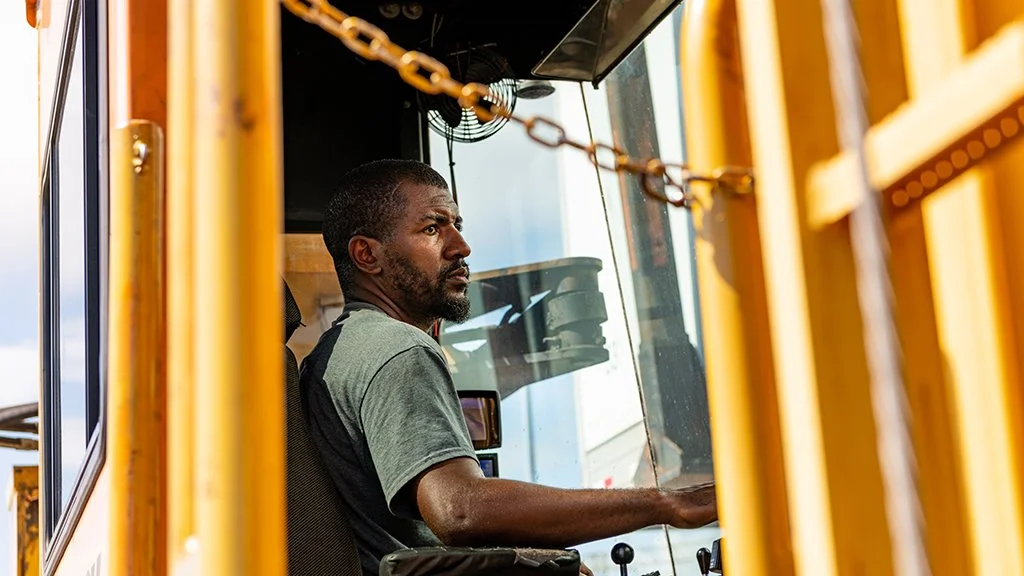
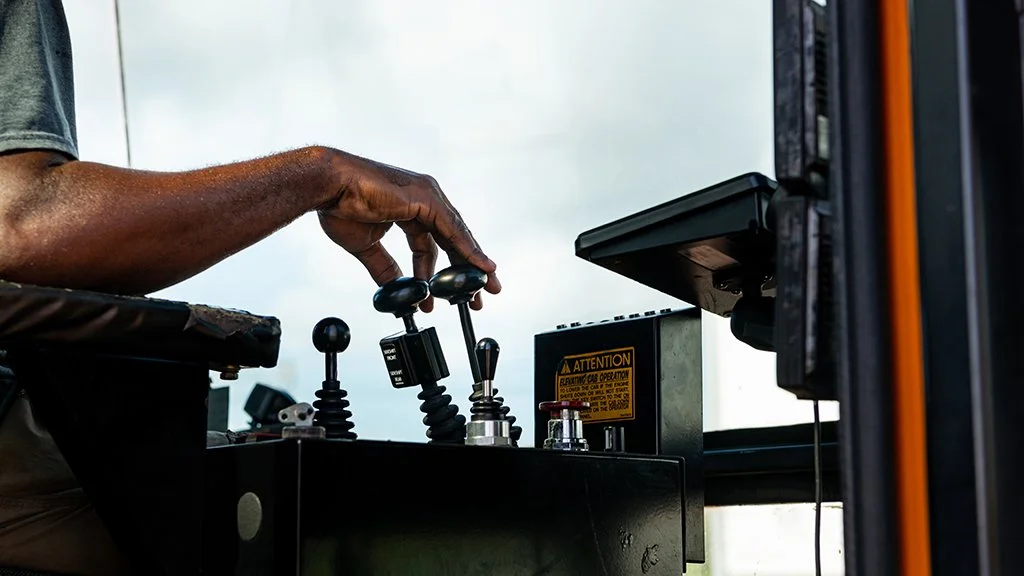
Together, those elements created a more complete and useful library, one that reflects not just movement, but the infrastructure and people that make it possible.
Creating Consistency Across Distance
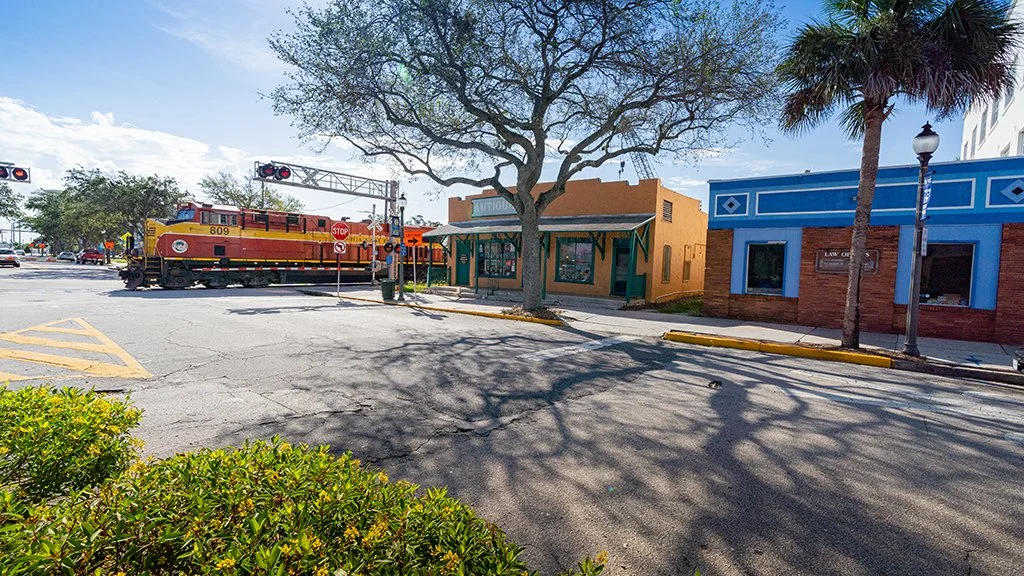
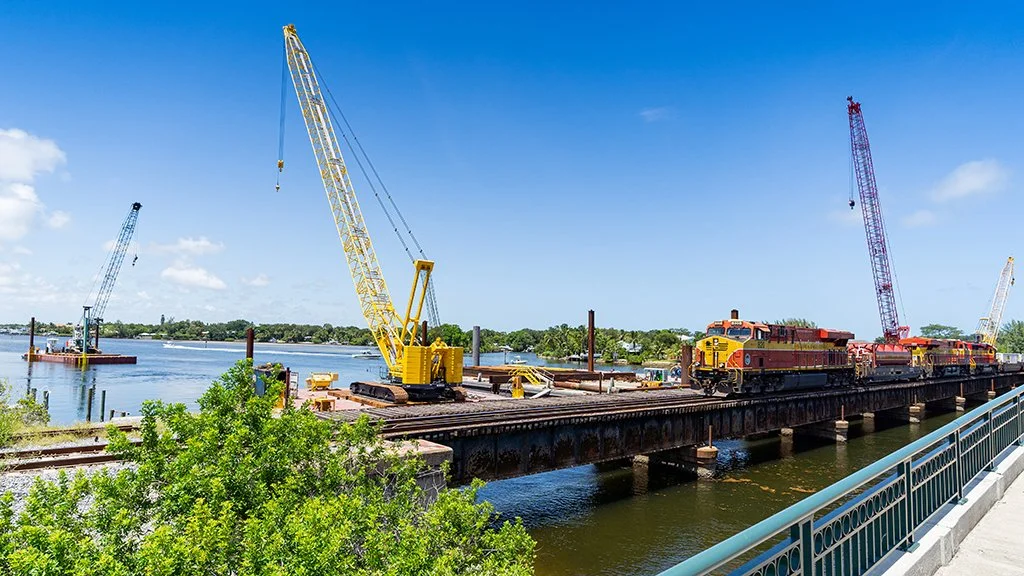
We were covering a wide range of environments across Florida, from urban areas and industrial zones to bridges and open landscape. Different light, different conditions, different timing.
The goal was to create a visual language that carried through all of it. How the train sits in the frame, how scale is used to show movement through space, and how color and contrast are handled across different locations.
Those small decisions are what make a large, spread out project feel cohesive in the end.
Building Something That Lasts
The value of a project like this isn’t in any one moment. It’s in how the full library works over time.
A well built set of images and footage gives a team flexibility. It supports future campaigns, internal communication, and ongoing storytelling without having to recreate the work each time. That’s always the goal going in.
Final Thought
Projects like this are a good reminder that the camera is only one part of the job.
The real work is in planning, adapting, and making decisions in environments you don’t control. Putting yourself in the right place at the right time and being ready when the moment happens.
That’s the approach I bring into any complex production.