A Day in the field
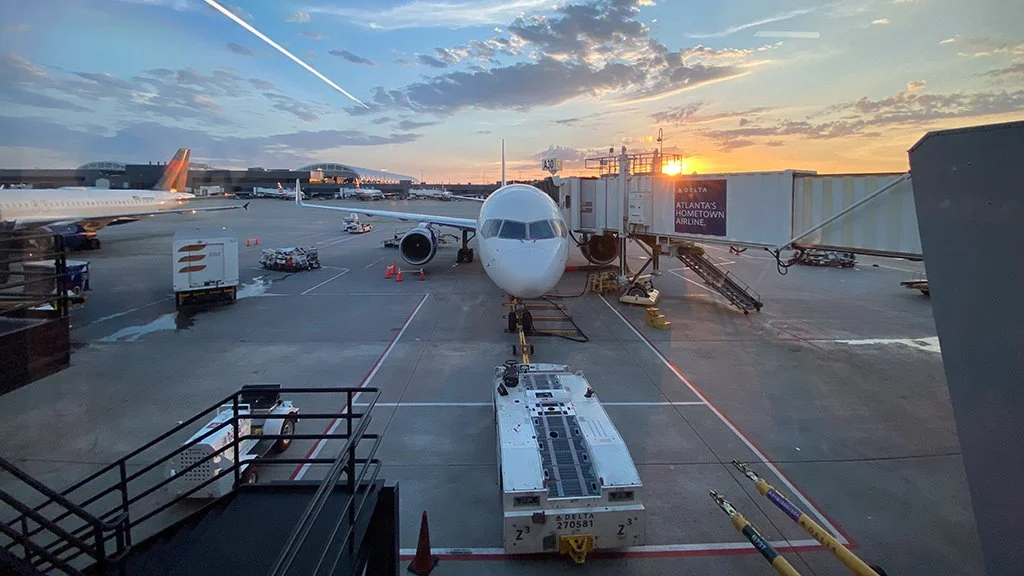
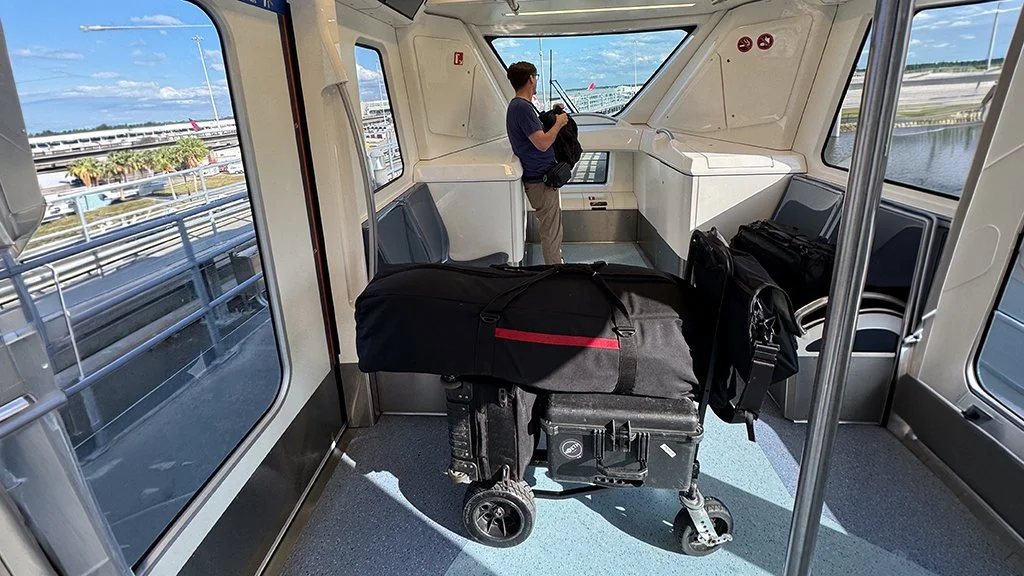
The day started before sunrise with a flight out of Jacksonville.
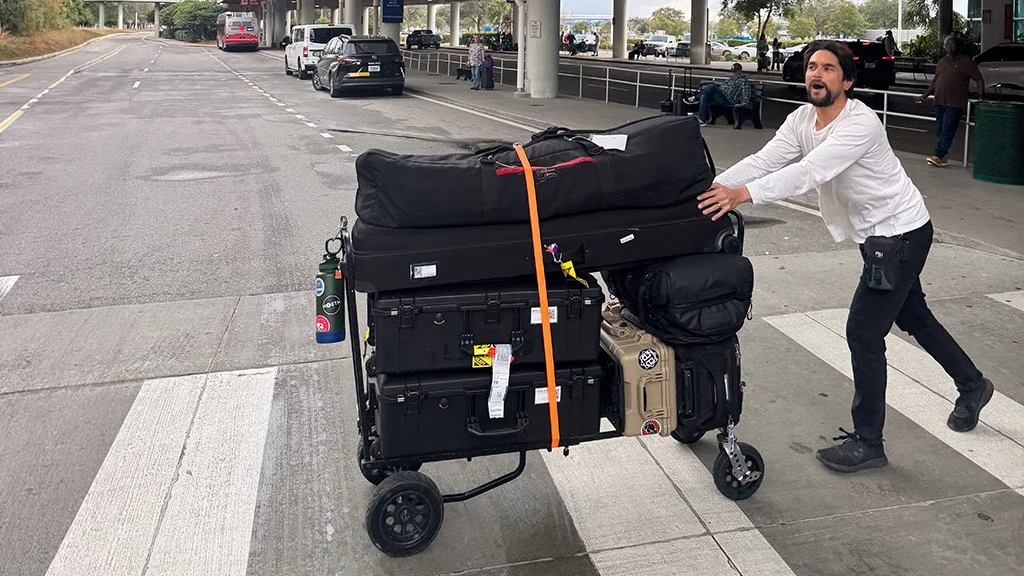
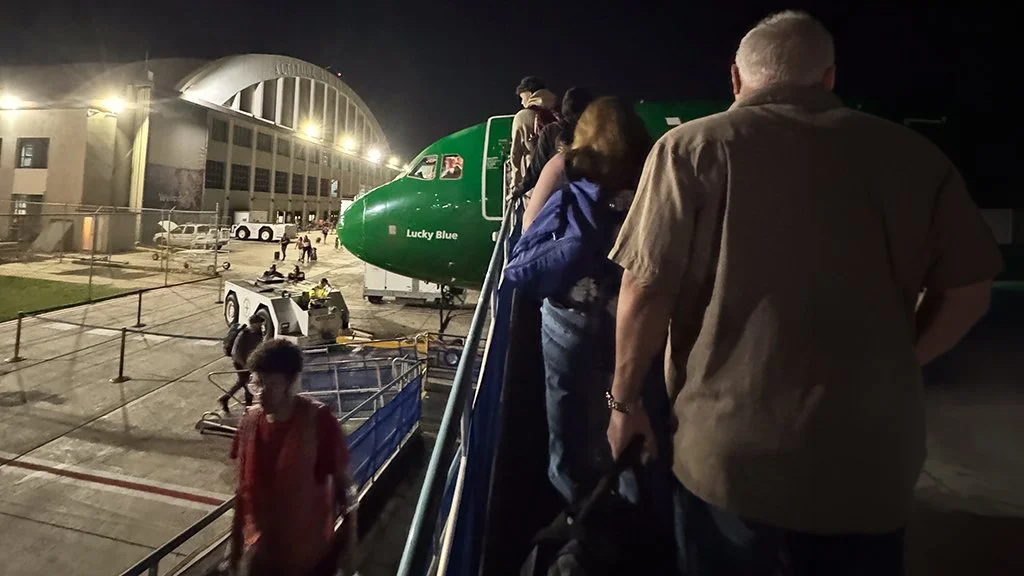
By the time most people were finishing their first cup of coffee, we were already on our second flight of the day, connecting through Charlotte on the way to Memphis. From the airport it was a quick Uber ride straight to the Integra LifeSciences manufacturing facility, where technicians and engineers were already deep into their work.
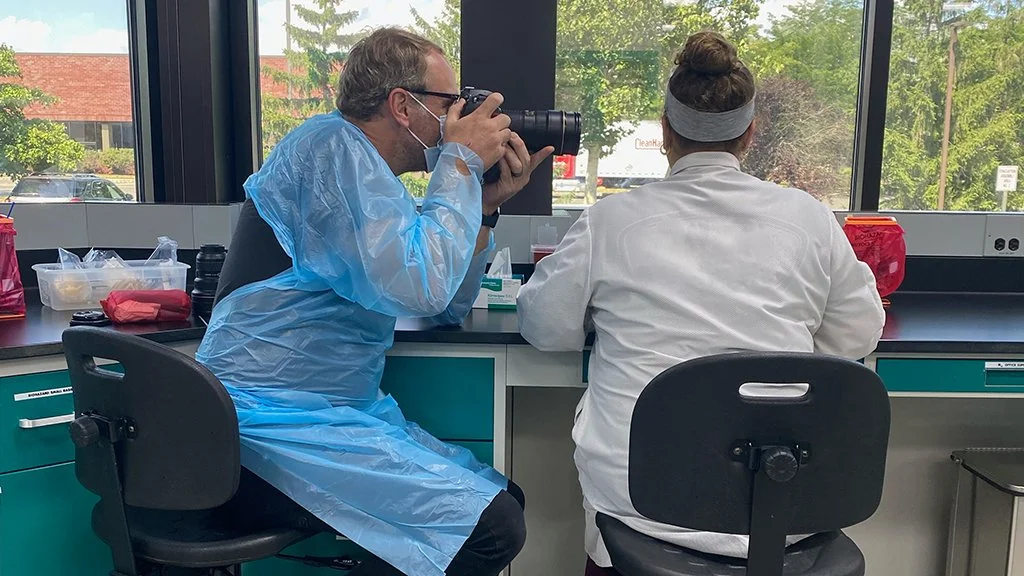
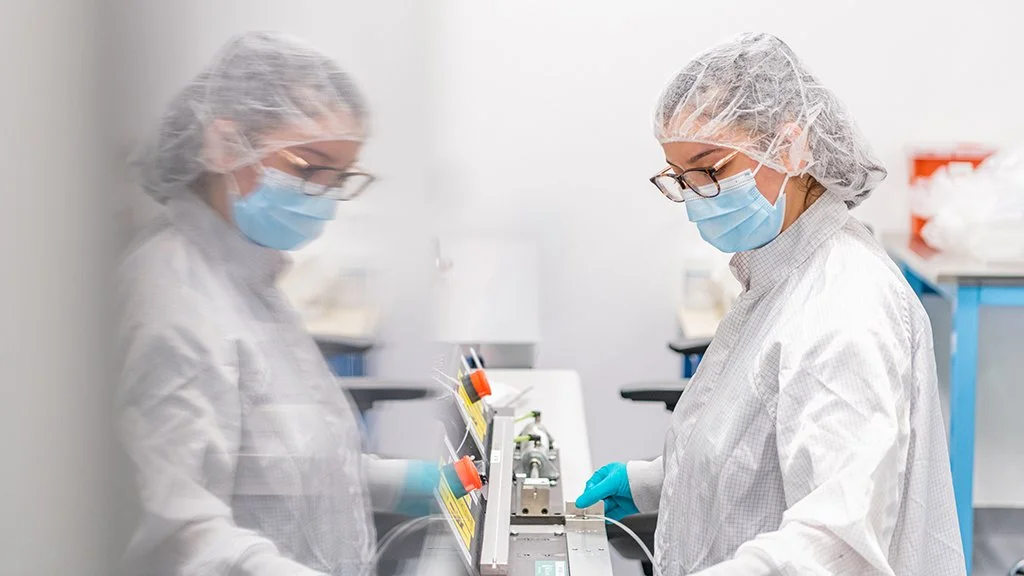
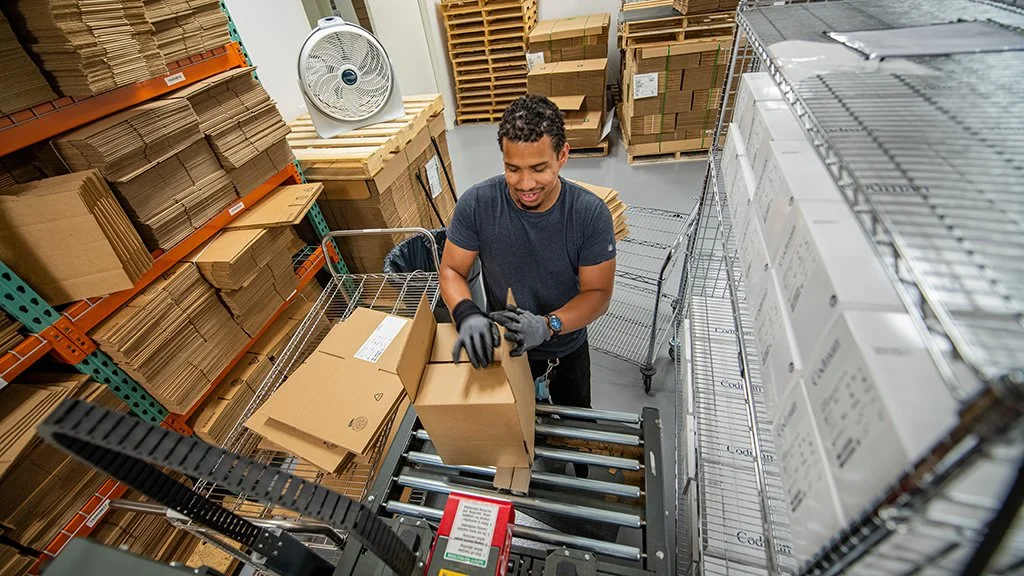
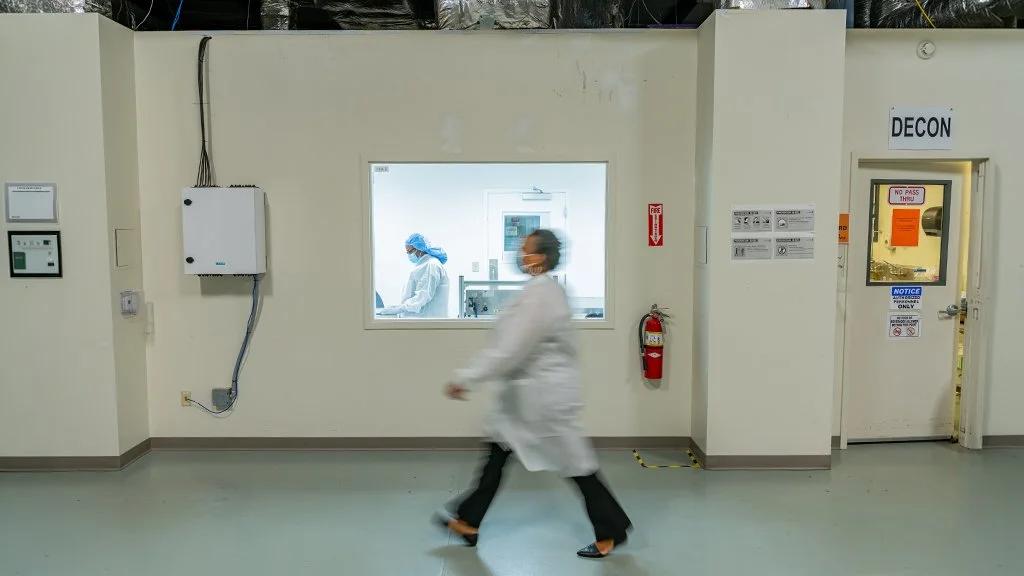
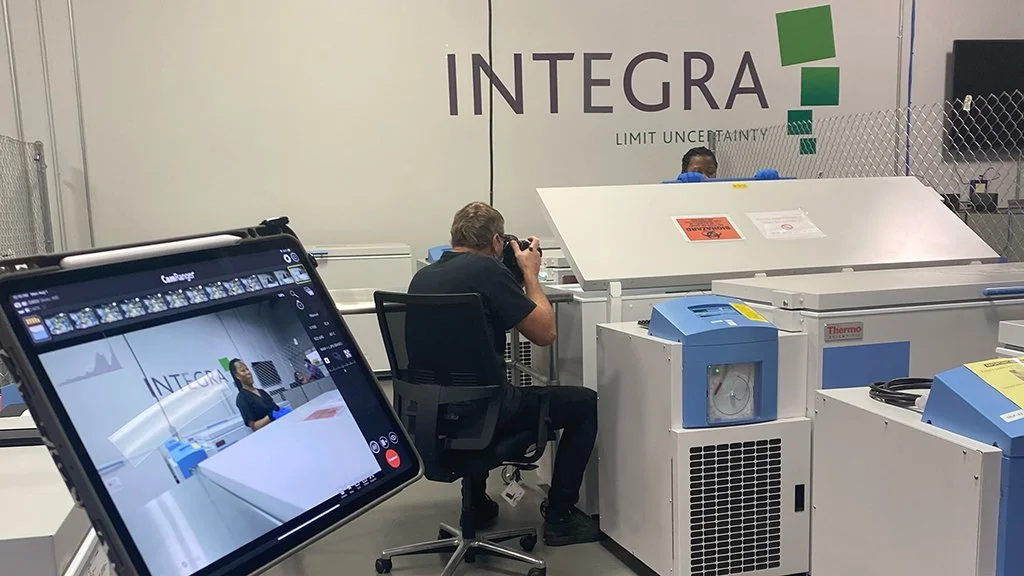
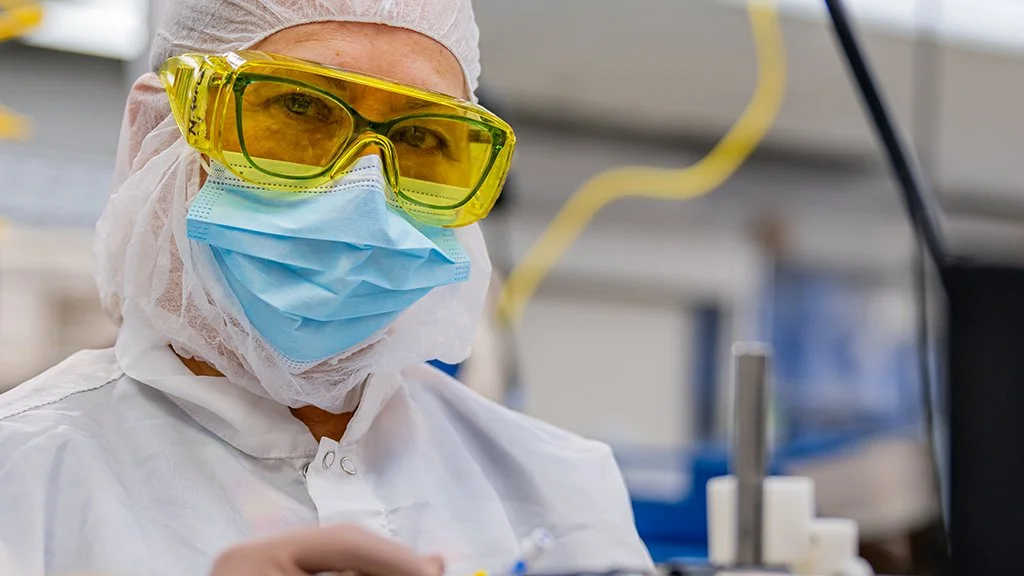
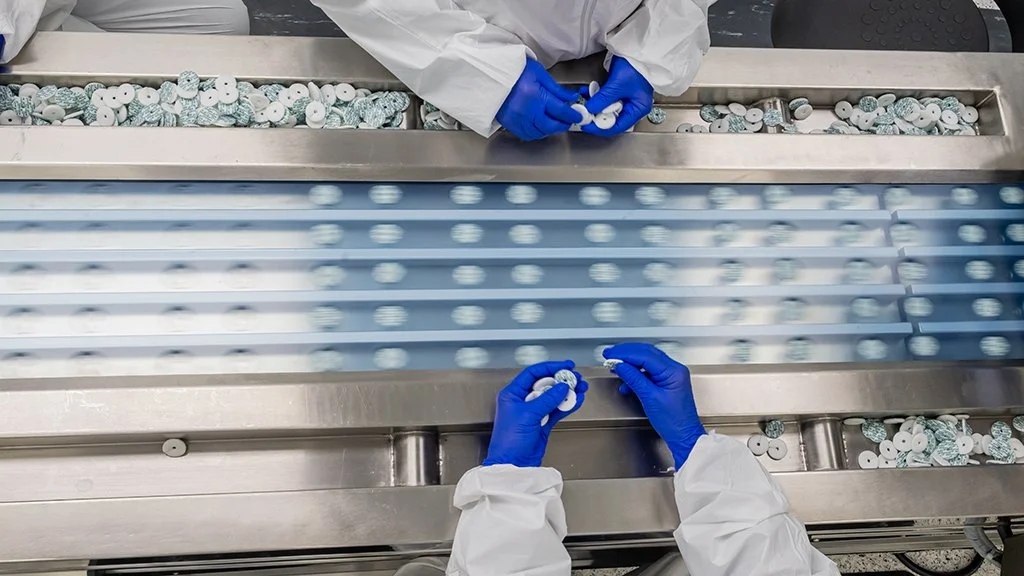
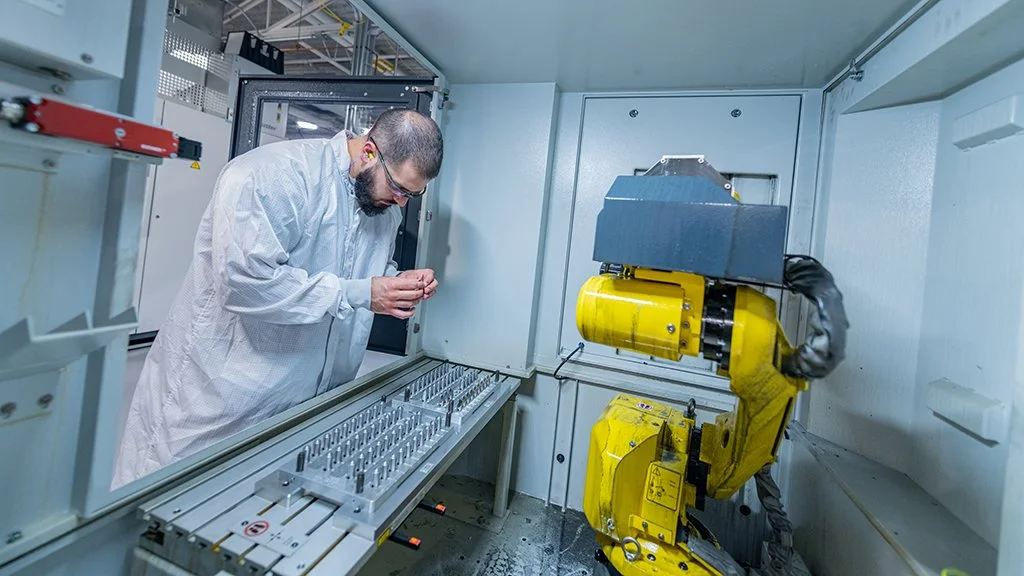
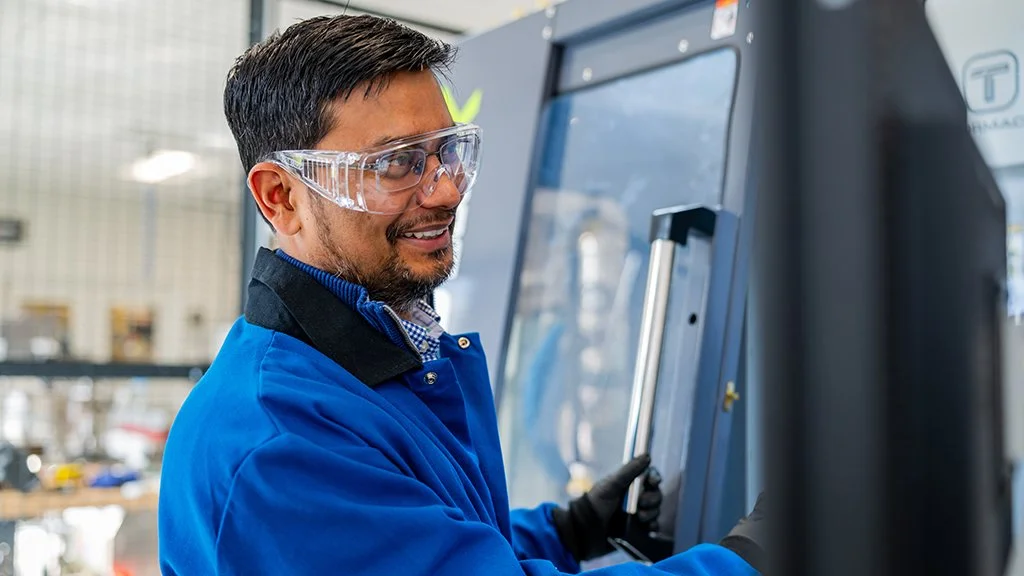
The next eight hours were spent moving through the facility documenting the production process — technicians assembling components, engineers monitoring equipment, and teams carefully inspecting products at various stages of manufacturing.
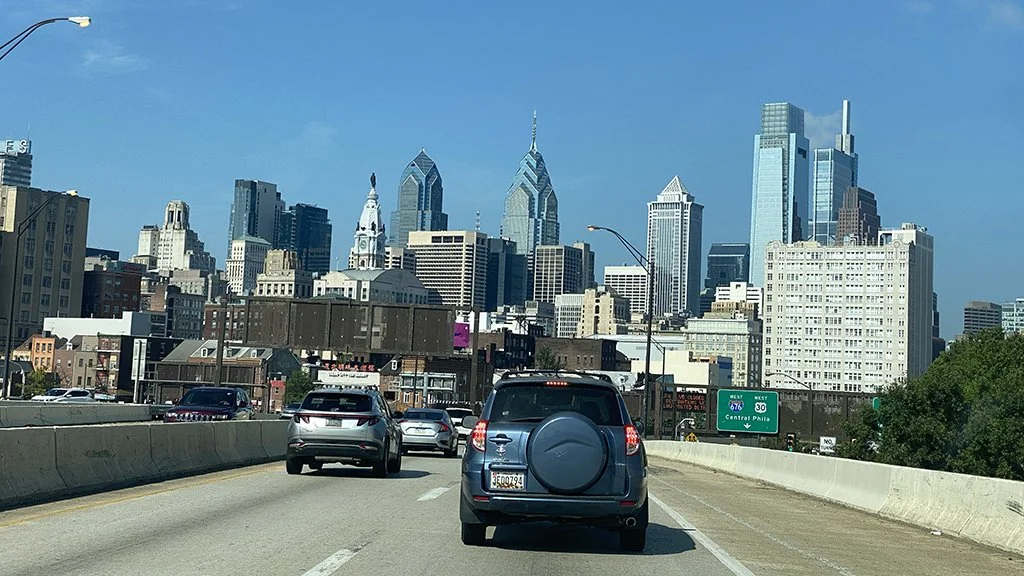
By early evening I was back in another Uber heading to the airport, beginning the next leg of the trip — Memphis to Charlotte and then on to Philadelphia — arriving late that night before photographing Integra’s Plainsboro facility the following morning.
Four flights, two cities, and a full production day in between.
Days like this are not unusual when documenting facilities spread across the country.
Over the past several years these projects have taken me inside Integra facilities across the United States and beyond, documenting the people, processes, and environments behind technologies used by surgeons around the world.
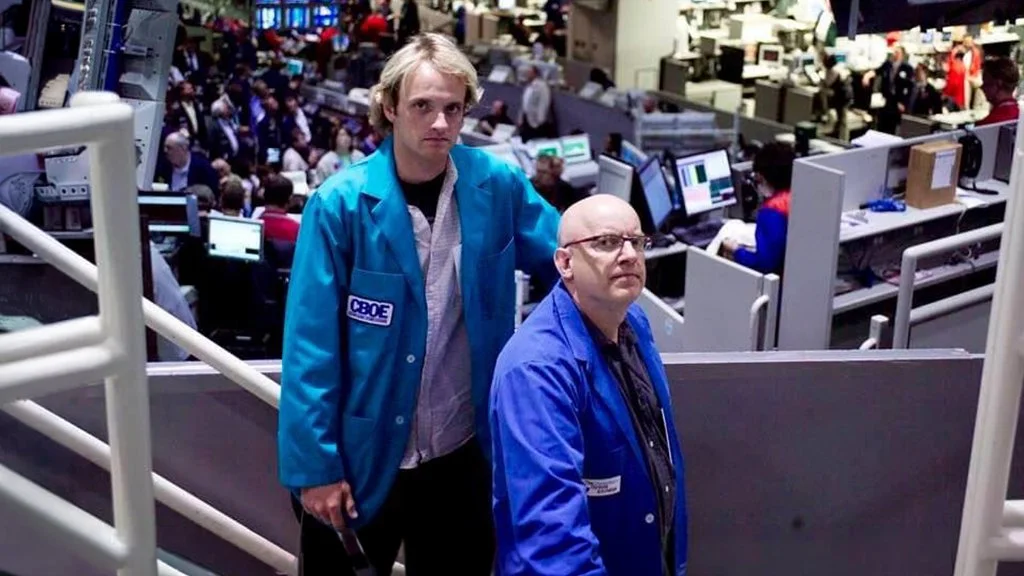
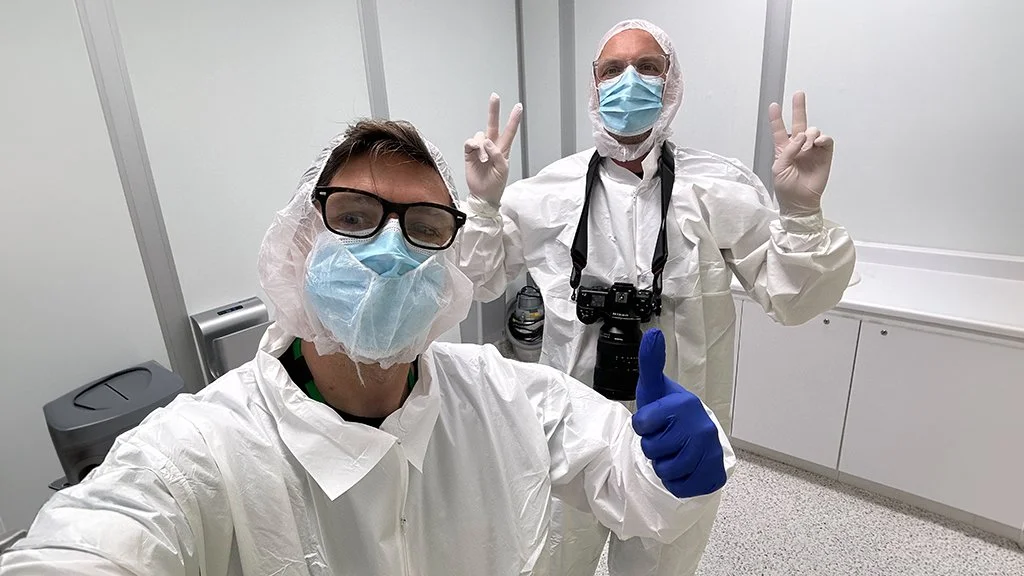
Assisting photographer Peter Olson on assignment at the Chicago Board Options Exchange (CBOE) in the early 2000s. Many of the lessons I learned working alongside Peter during those years continue to shape how I approach documenting complex environments today.
Learning the Craft
Long before my work with Integra LifeSciences began, I spent years assisting photographer Peter Olson on assignments that took us into manufacturing facilities, research labs, and corporate environments around the world.
Peter is not only a mentor and good friend, but one of the photographers who shaped how I approach both photography and the business behind it. Working alongside him meant learning how to move efficiently inside complex production environments, how to observe without interrupting the work happening around you, and how to document technical processes in a way that remains visually compelling.
Years later, that experience came full circle.
As Peter began winding down his commercial career to focus more on his fine art ceramics, he started referring some of the clients he had worked with and trusted for many years. Integra LifeSciences was one of those introductions. If you’ve read some of my other blog posts, you might remember Dion Algeria and the work at Great Jakes — another long-standing client relationship that originally came through Peter as well.
What began as a few assignments in 2022 gradually expanded into an ongoing collaboration that has included executive portraits, leadership event coverage, and visits to manufacturing and research facilities across the country.
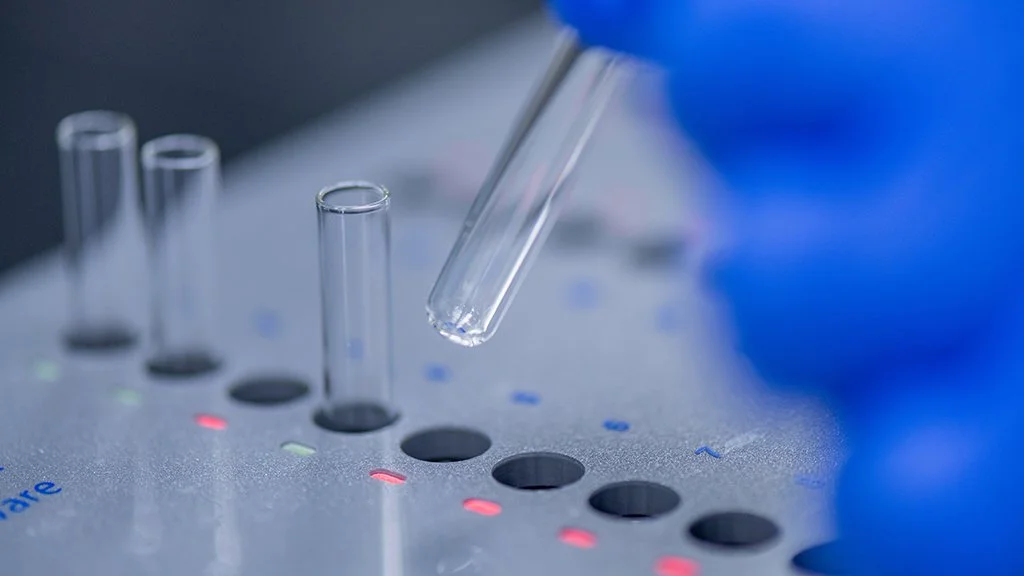
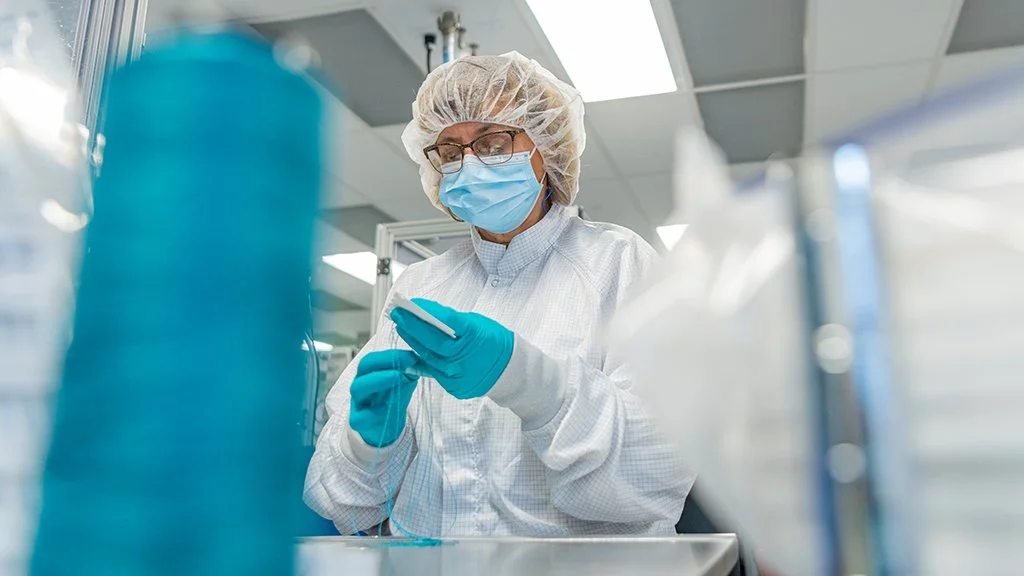
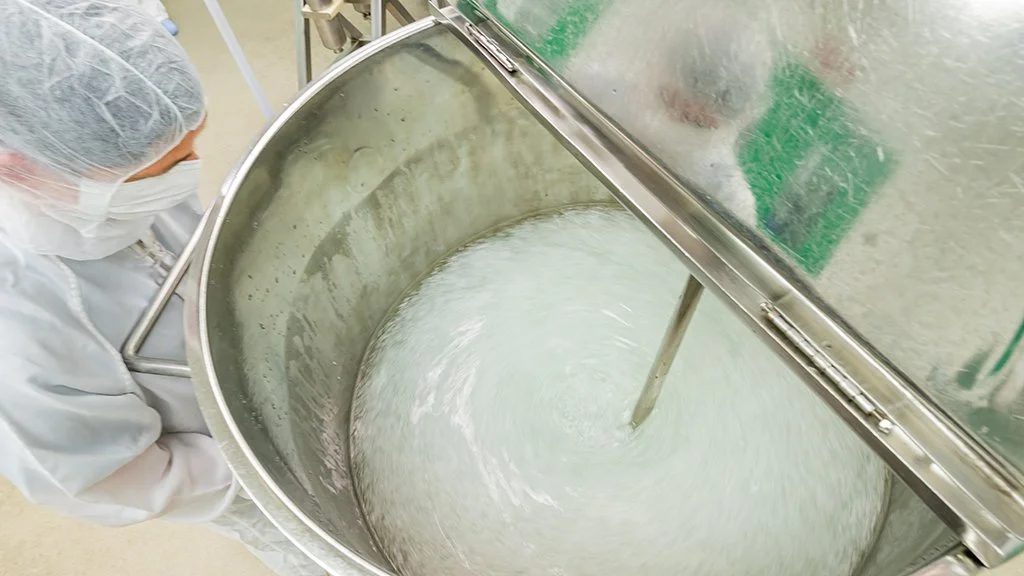
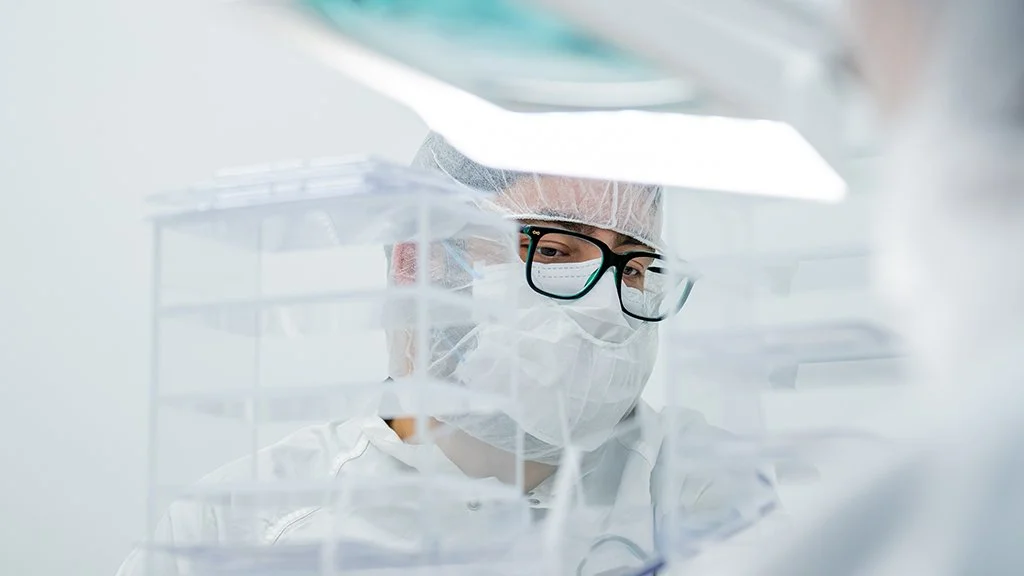
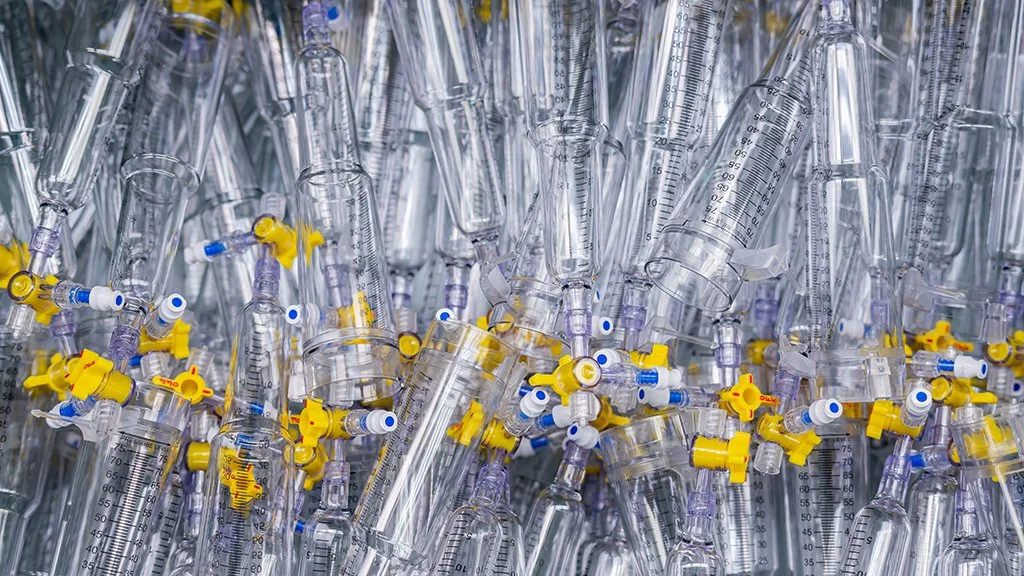
Medical components prepared for assembly during the manufacturing process at an Integra LifeSciences facility.
Inside Medical Manufacturing
Most people encounter Integra’s products only in clinical settings — surgical instruments used during procedures, regenerative tissue technologies supporting wound care and reconstruction, or devices used in complex neurosurgical operations.
But the story behind those technologies begins long before a surgeon enters the operating room.
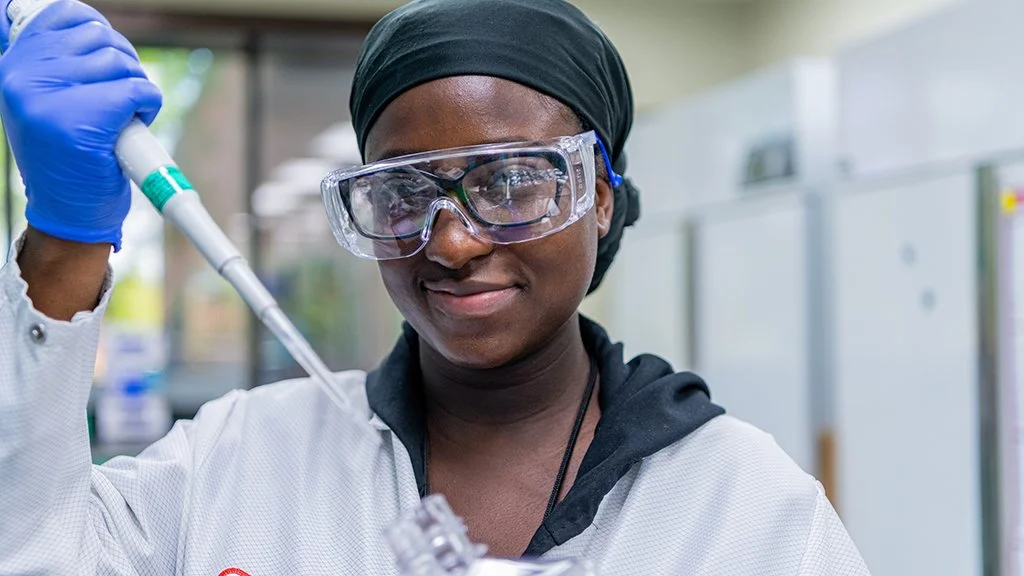
Inside manufacturing facilities and research laboratories, teams of technicians, engineers, and scientists work in carefully controlled environments where precision and consistency are essential.
Integra’s product portfolio spans a wide range of medical technologies. Some products are relatively simple single-use items used in everyday clinical settings, while others are highly specialized systems designed for complex neurosurgical procedures.
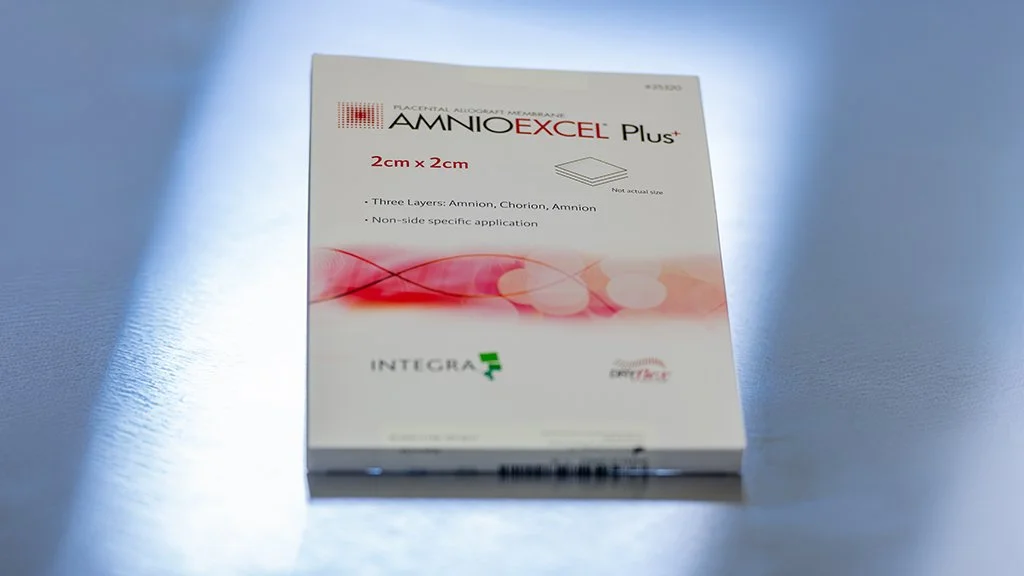
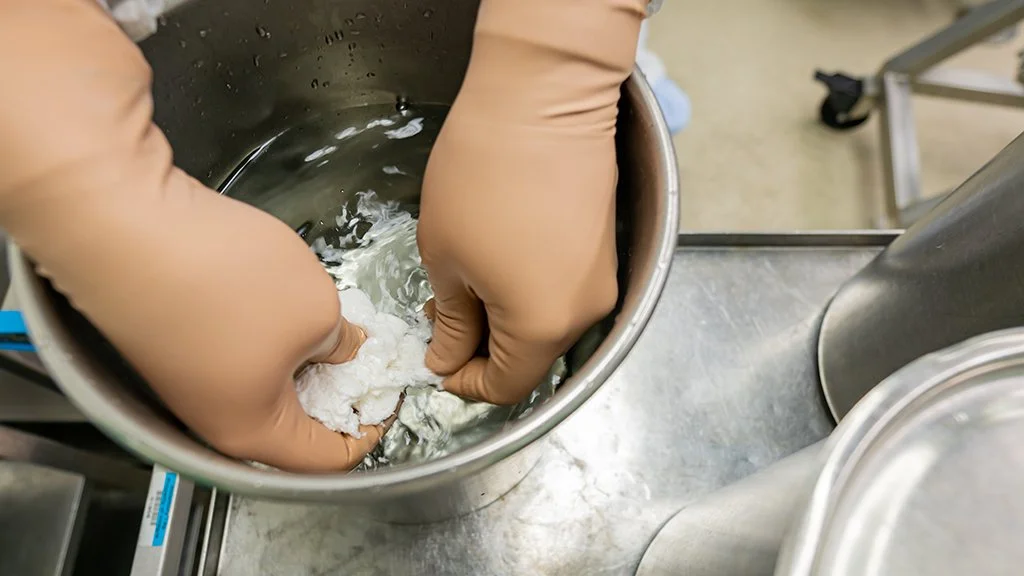
The company also develops regenerative tissue technologies derived from natural materials that support wound care, reconstruction, and procedures such as skin grafting and nerve repair.
Photographing inside these environments requires adapting quickly to the rhythm of the facility. Production schedules cannot be interrupted, safety and contamination protocols must be respected, and certain proprietary processes cannot be documented.
The goal is never to stage moments — it is to observe and capture the work as it happens.
Research and Innovation
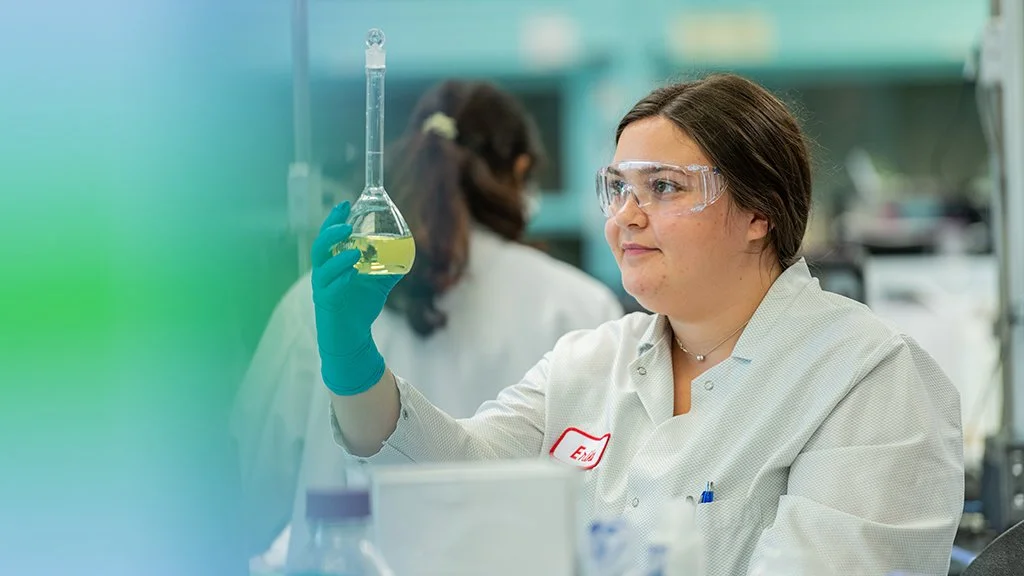
Many of the locations I visited also include research and development laboratories where scientists are actively testing and refining new technologies.
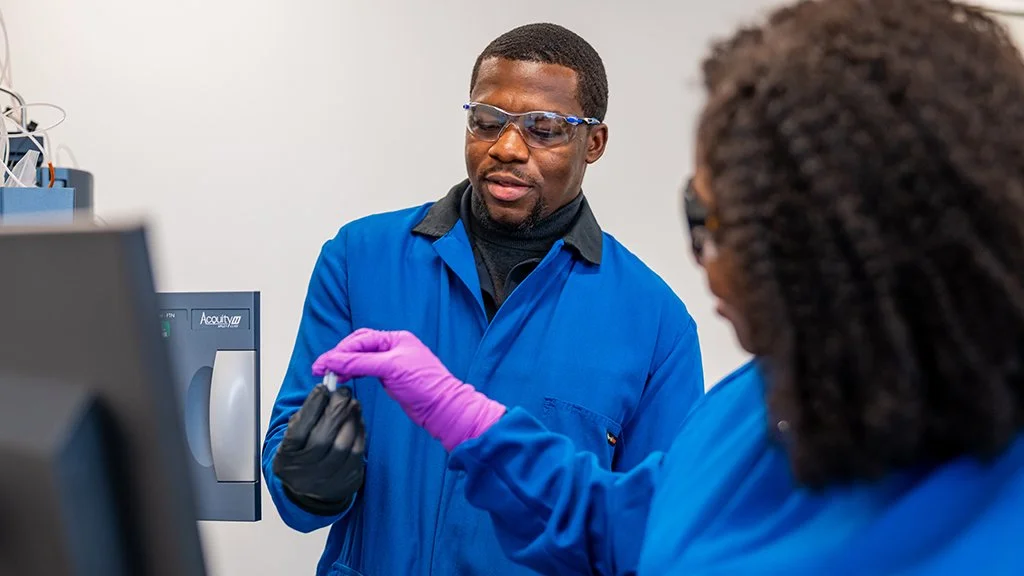
These spaces feel different from the manufacturing floor but are just as precise. Researchers work with biological materials, microscopes, and analytical equipment as they study how materials interact with the human body and how new medical technologies can improve patient outcomes.
The environments are quiet and methodical. Every step of the process is documented and measured, reflecting the level of care required when developing products intended for clinical use.
Photographing in these labs offers a rare glimpse into the early stages of medical innovation — the point where ideas move from concept toward real-world application.
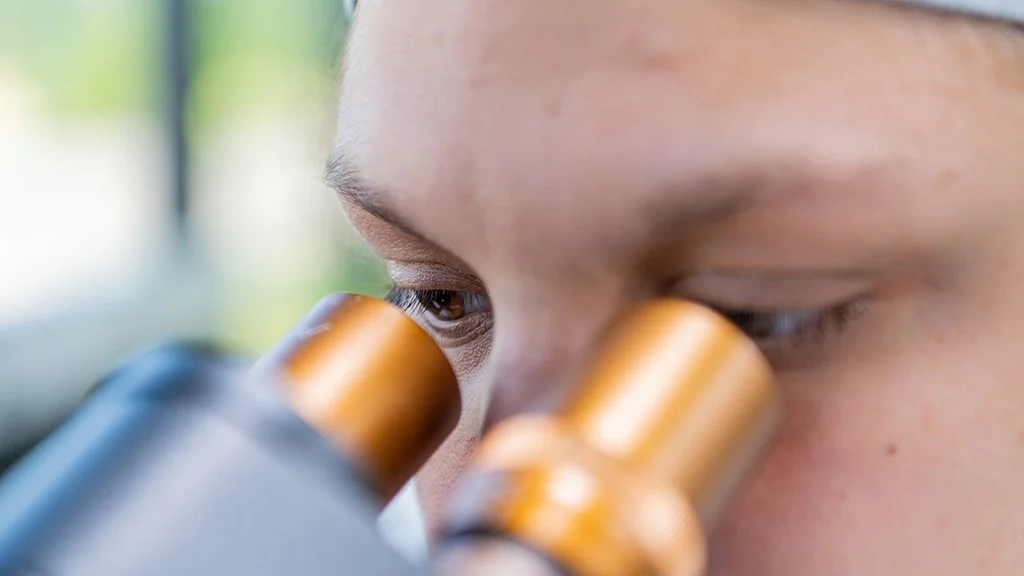
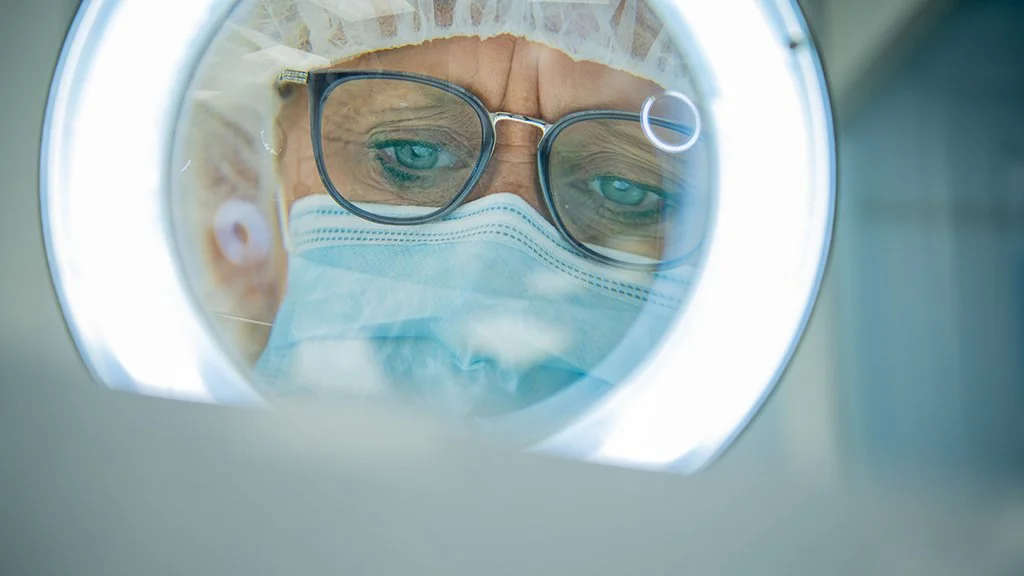
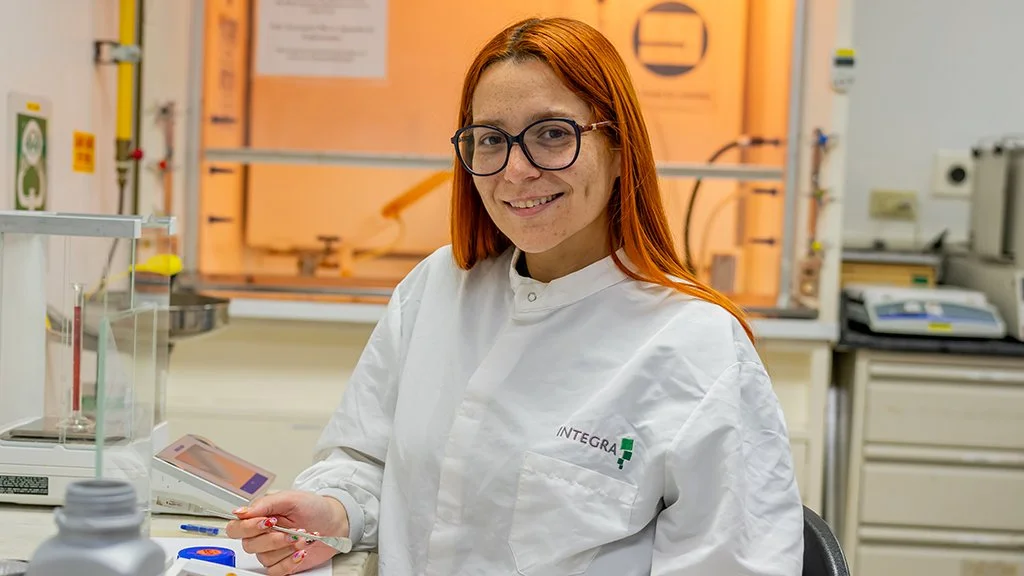
A researcher examines samples under a microscope during laboratory testing at an Integra LifeSciences facility.
Moving Between Facilities
These assignments often involve moving quickly between locations while coordinating with facility leadership and production teams.
In 2022 the work included two multi-city production trips. The first involved traveling to Boston and Indianapolis to photograph operations at both facilities over the course of several days.
Later that summer another trip included visits to Memphis and Integra’s Plainsboro, New Jersey campus. The Memphis day began before sunrise in Jacksonville and ended late that night in Philadelphia before documenting the Plainsboro facility the following morning.
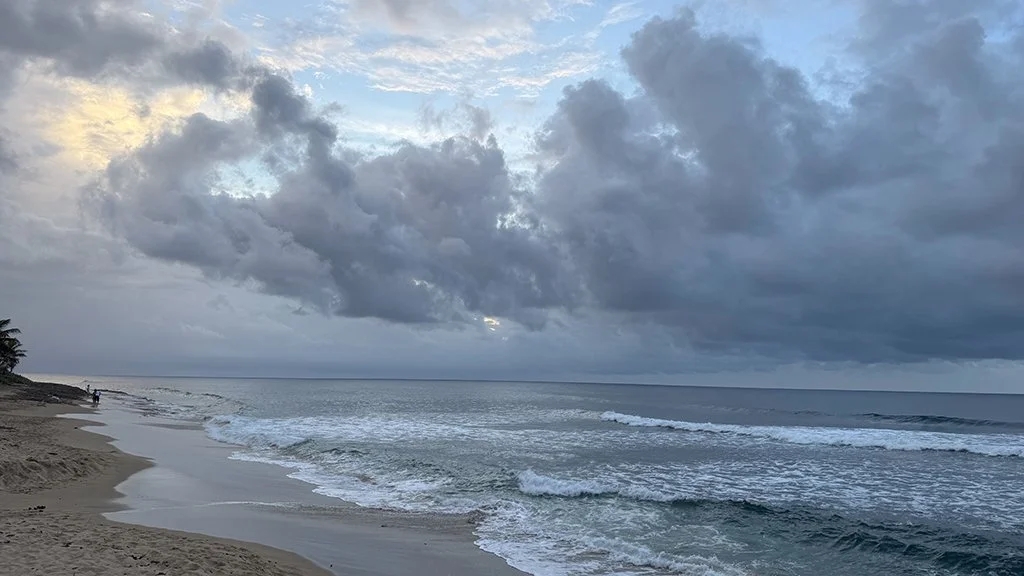
Subsequent assignments in later years included returning to Plainsboro as well as traveling to Integra’s manufacturing facility in Añasco, Puerto Rico.
That visit was one of the shortest but most memorable — roughly fifty hours from arrival to departure — centered around documenting operations at the facility.
Each location offered a different perspective on the company’s work, from precision manufacturing environments to laboratories where new technologies are being developed and tested.

The People Behind the Process
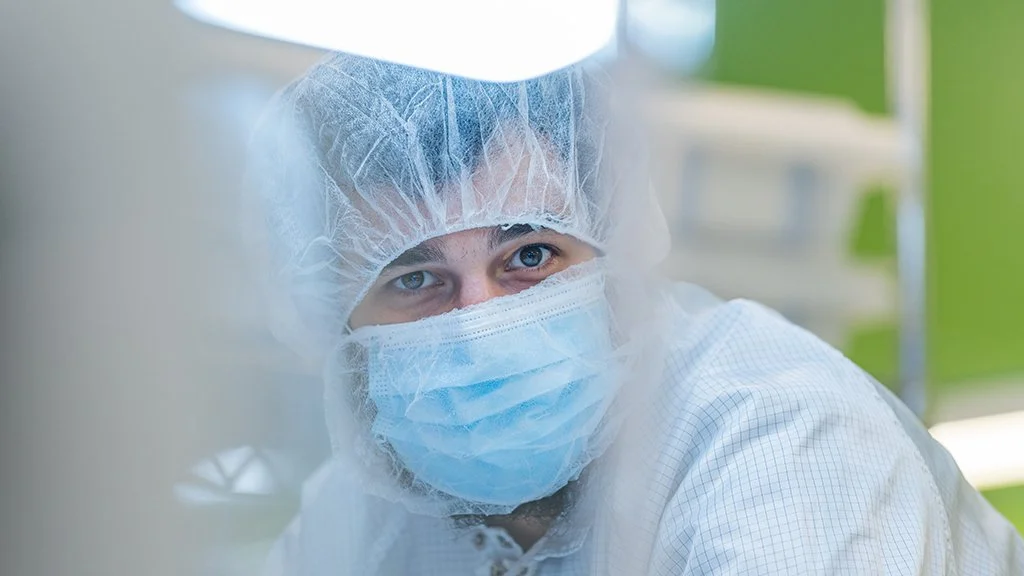
What makes these environments compelling isn’t just the technology — it’s the people responsible for the work.
Technicians inspecting delicate surgical components under microscopes. Engineers calibrating manufacturing equipment. Scientists analyzing biological materials in laboratory settings.
But the work extends well beyond the manufacturing floor and research labs.
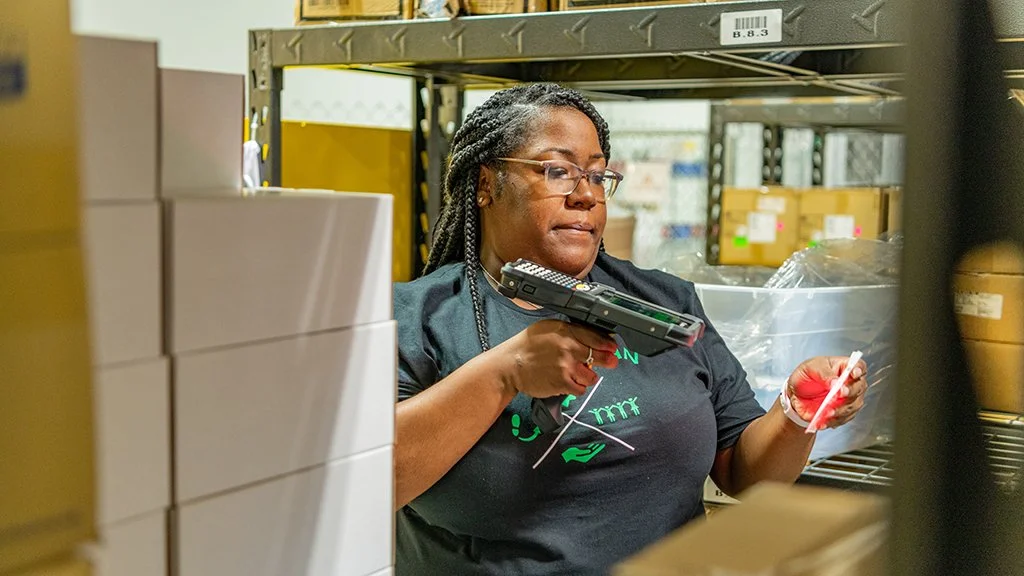
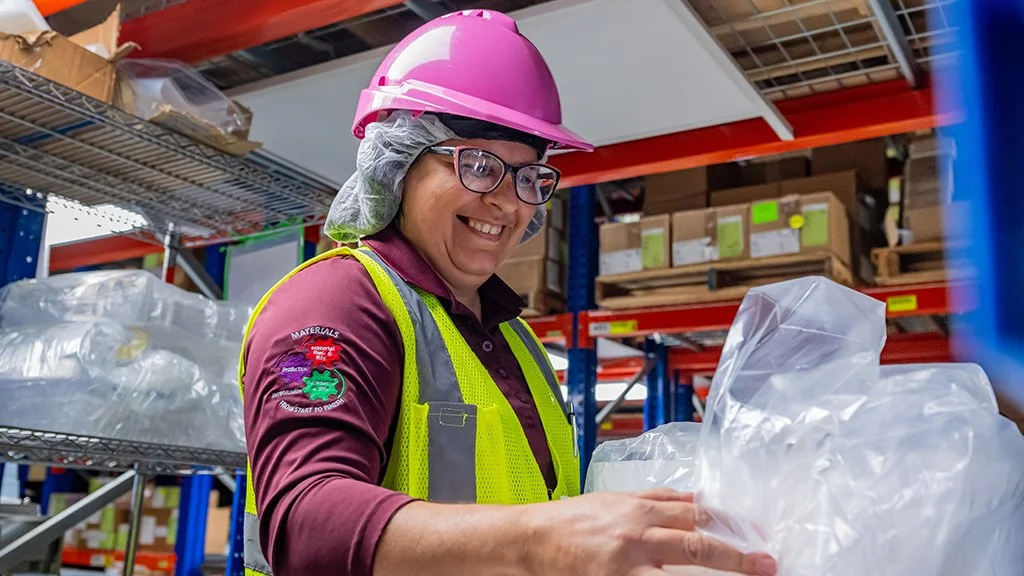
Every facility also relies on teams responsible for logistics, inventory, and distribution — the people receiving raw materials, organizing components, and preparing finished products to move safely through the supply chain.
From warehouse staff managing incoming materials to teams packaging and shipping finished devices to hospitals and surgical centers around the world, each role plays an essential part in ensuring these technologies reach the people who depend on them.
Photographing across these different environments helps tell a more complete story about the scale and coordination required to produce modern medical technologies.
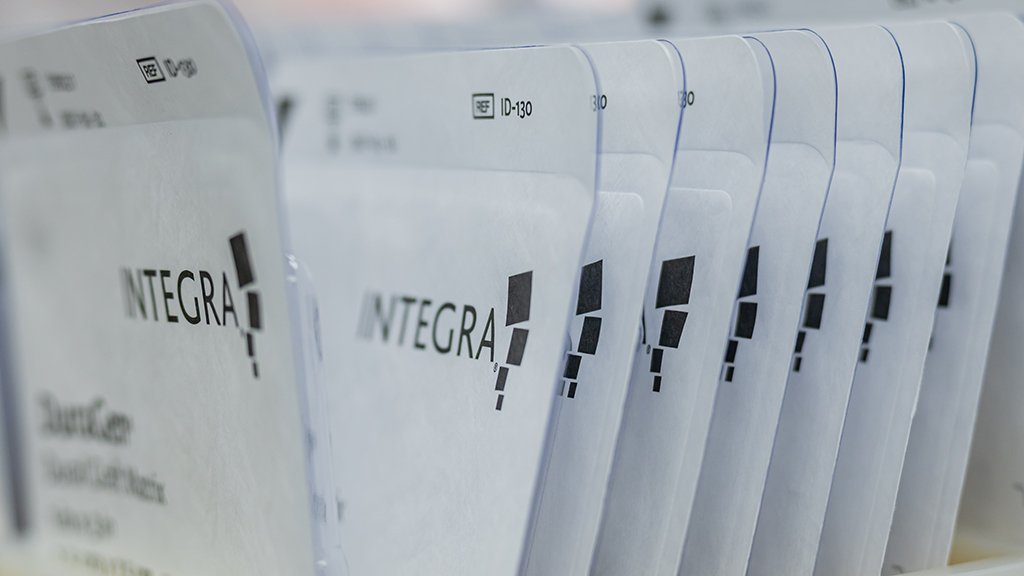
Preparing medical products for shipment inside the logistics and distribution area of an Integra LifeSciences facility.
From the Manufacturing Floor to Corporate Reporting
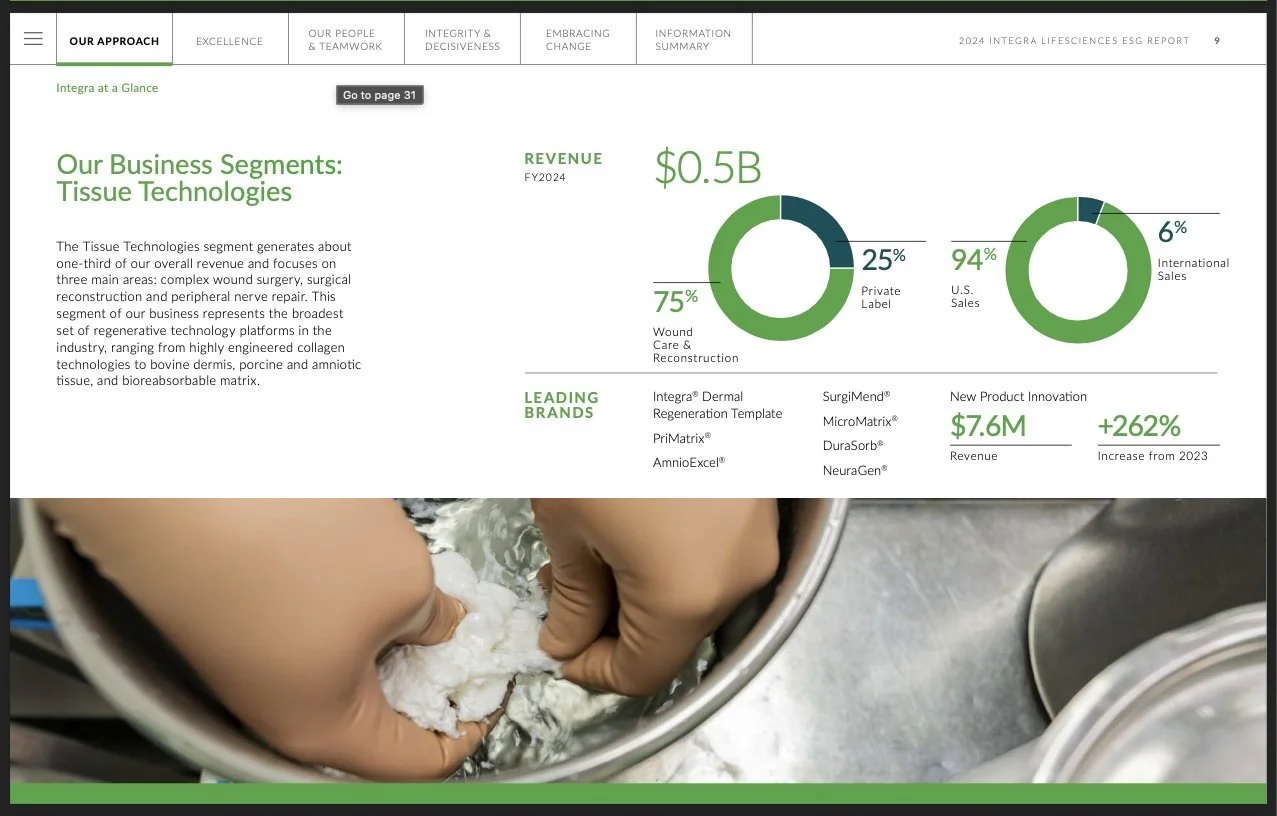
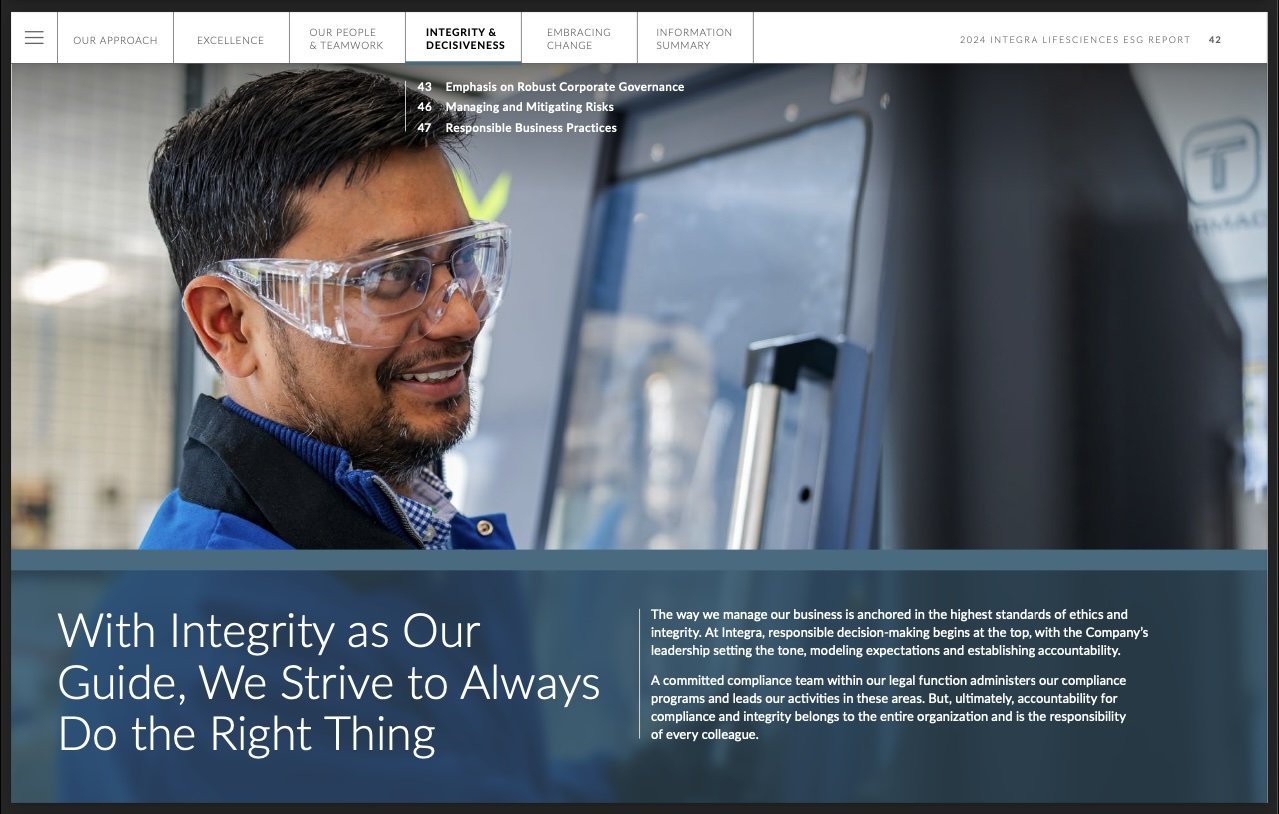
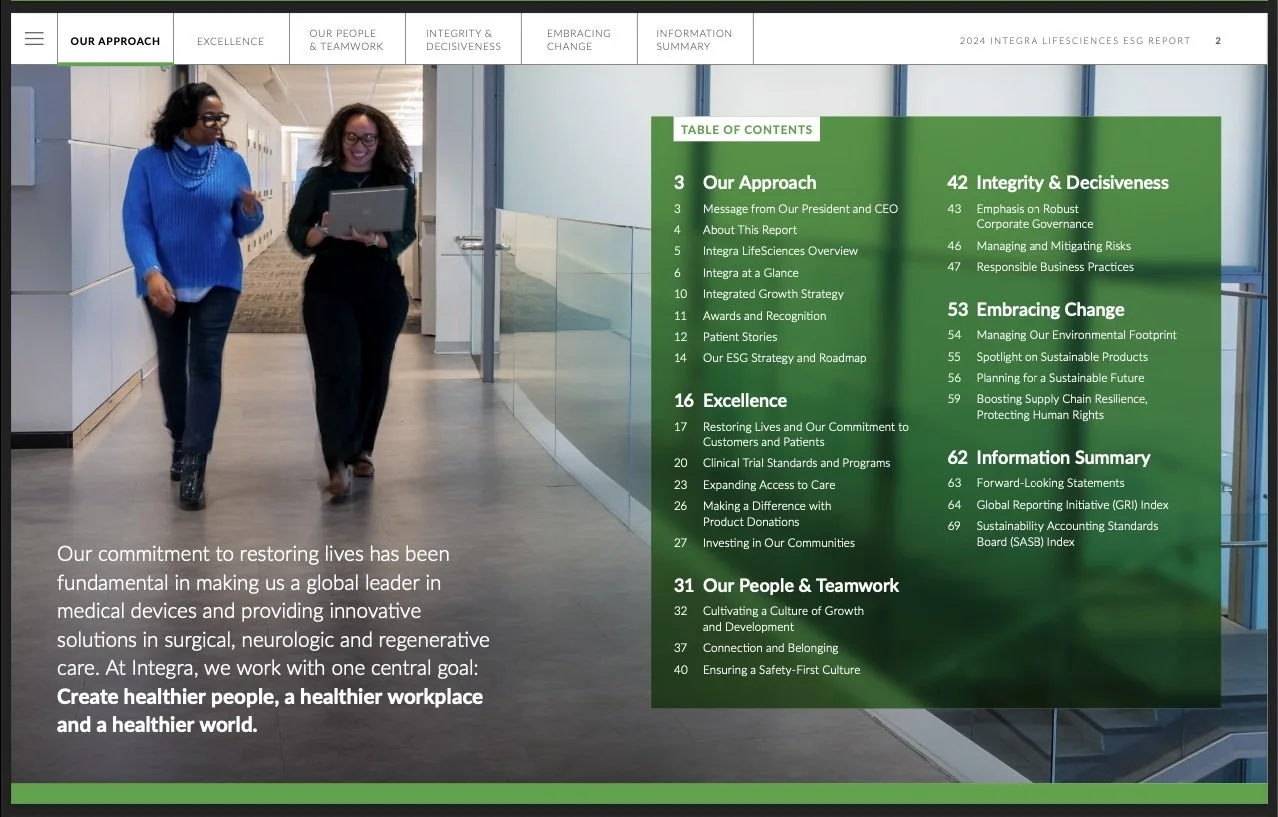
Many of the images created during these site visits ultimately become part of Integra’s Environmental, Social, and Governance (ESG) report.
These reports communicate the company’s broader impact to investors, partners, and the public, highlighting responsible manufacturing practices, innovation, employee safety, and community engagement.
Photography plays an important role in helping bring these initiatives to life visually.
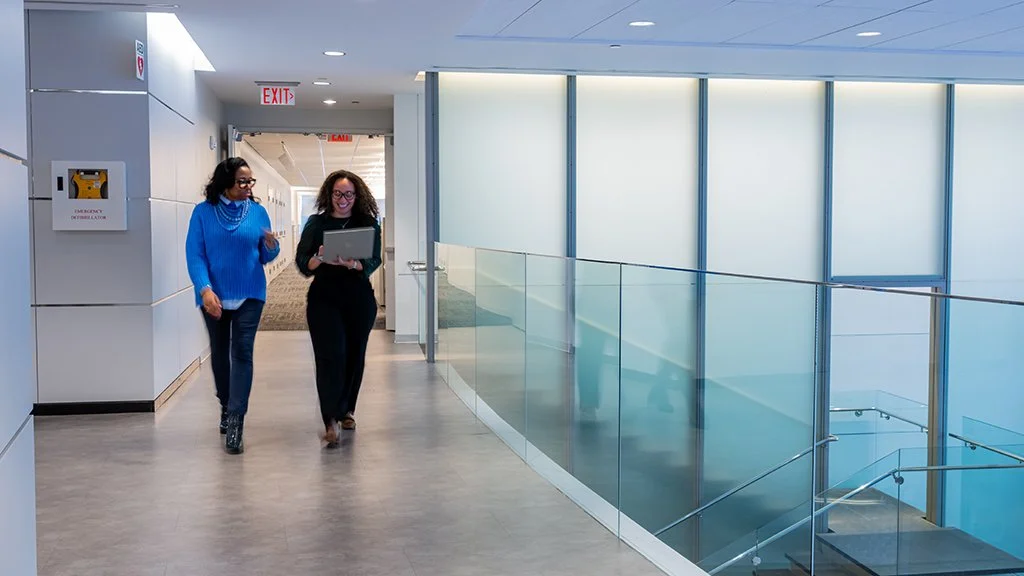
Rather than relying on stock imagery, the reports feature real employees, real facilities, and real processes from across the organization.
The images created during these assignments often become part of a larger visual library used for recruiting, corporate communications, and investor materials.
Perspective Through Travel
One of the aspects of these assignments I value most is the opportunity to travel.
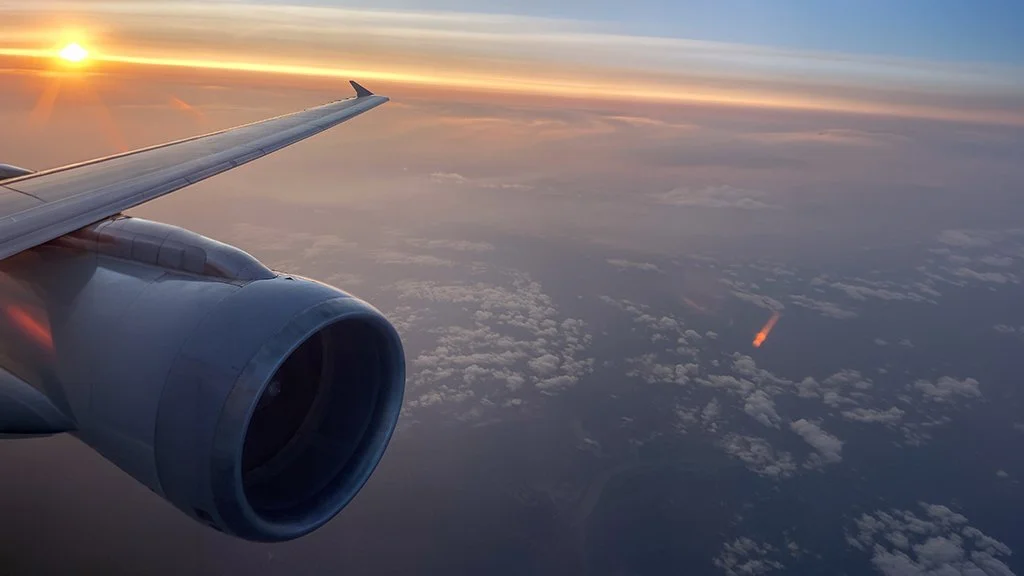
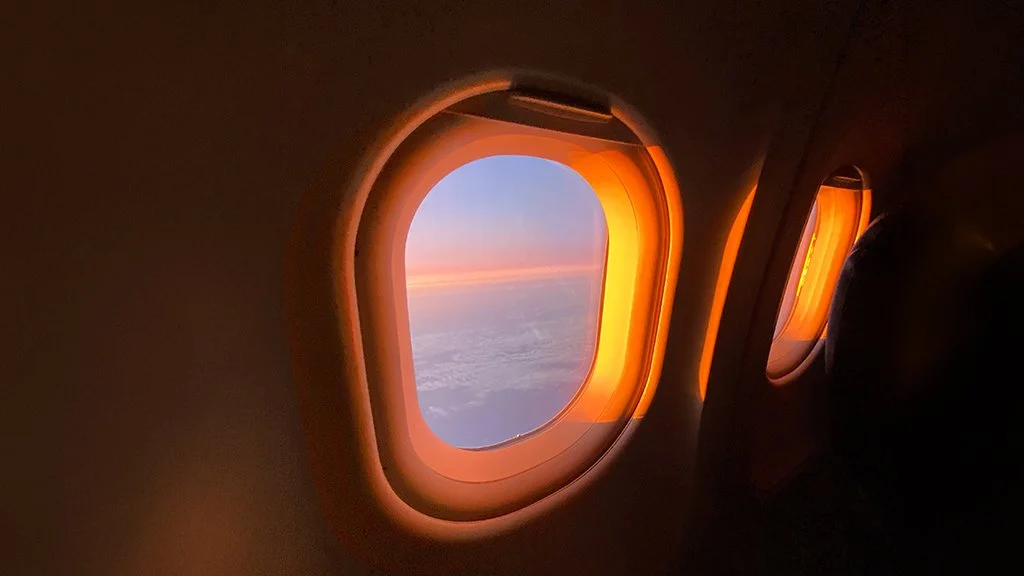
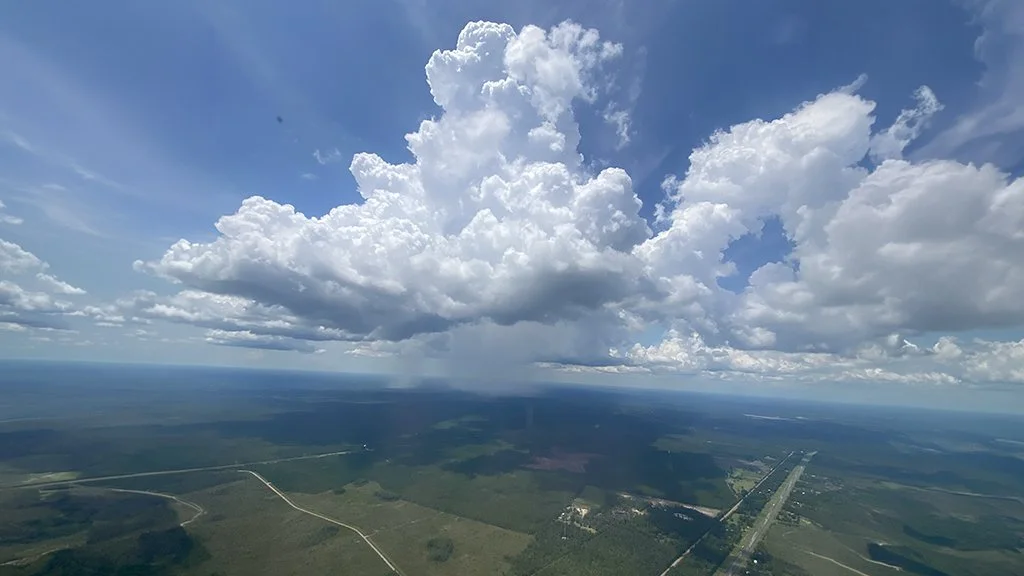
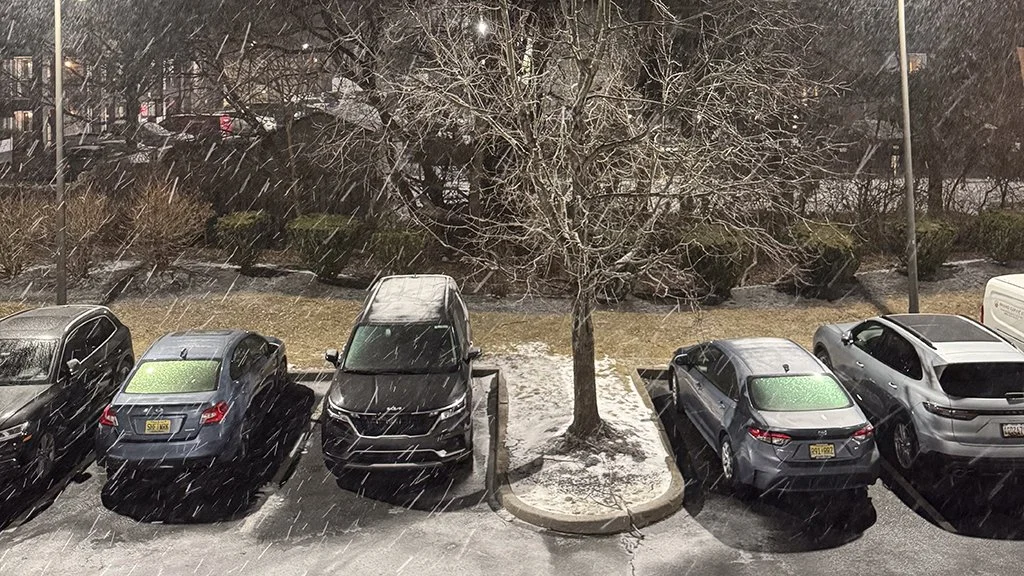
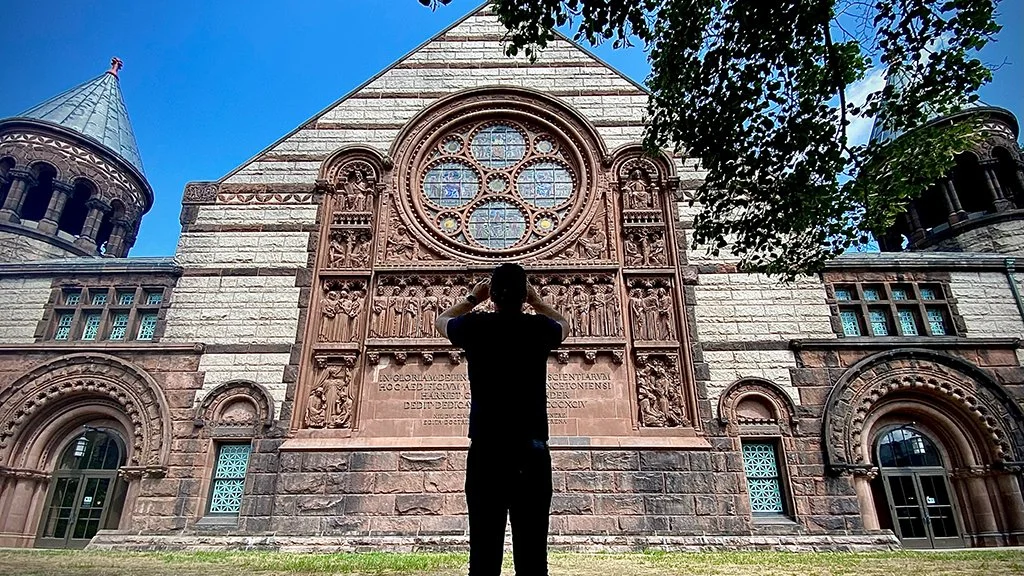
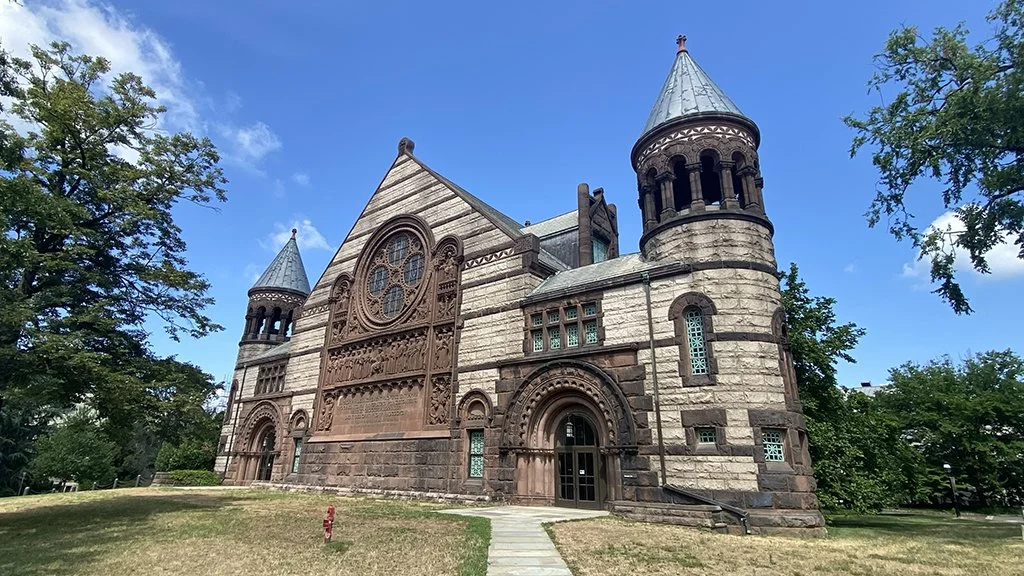
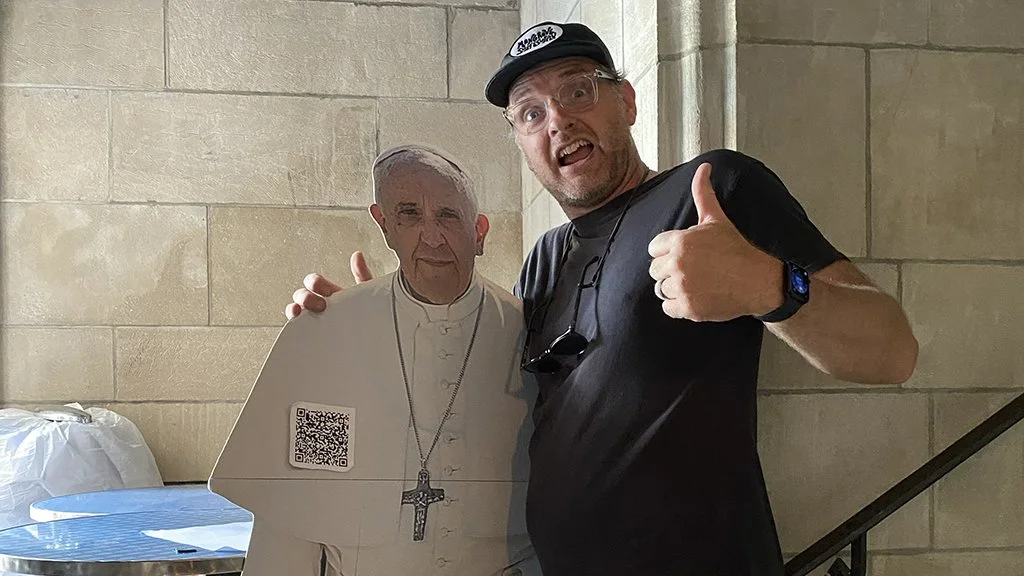
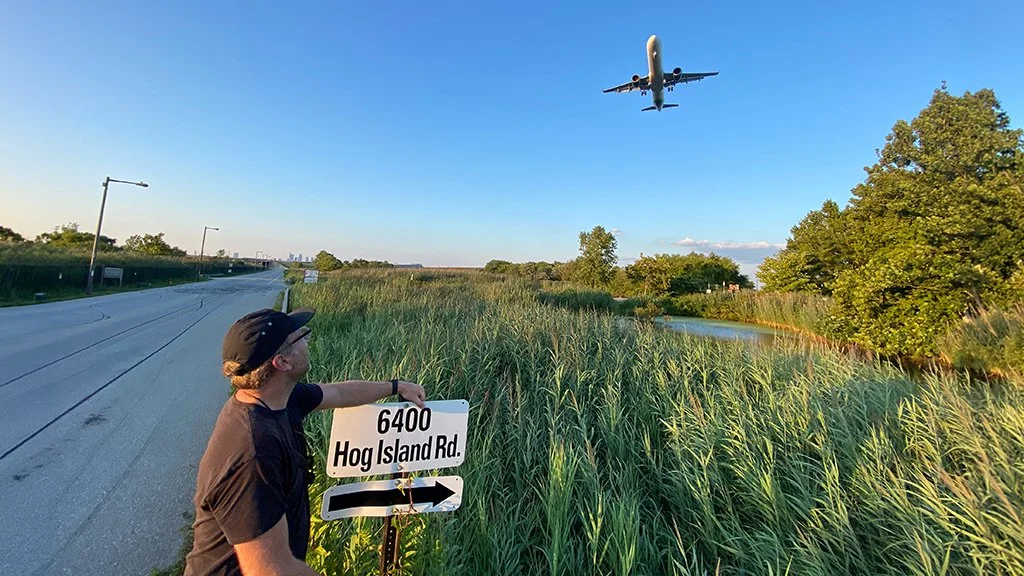
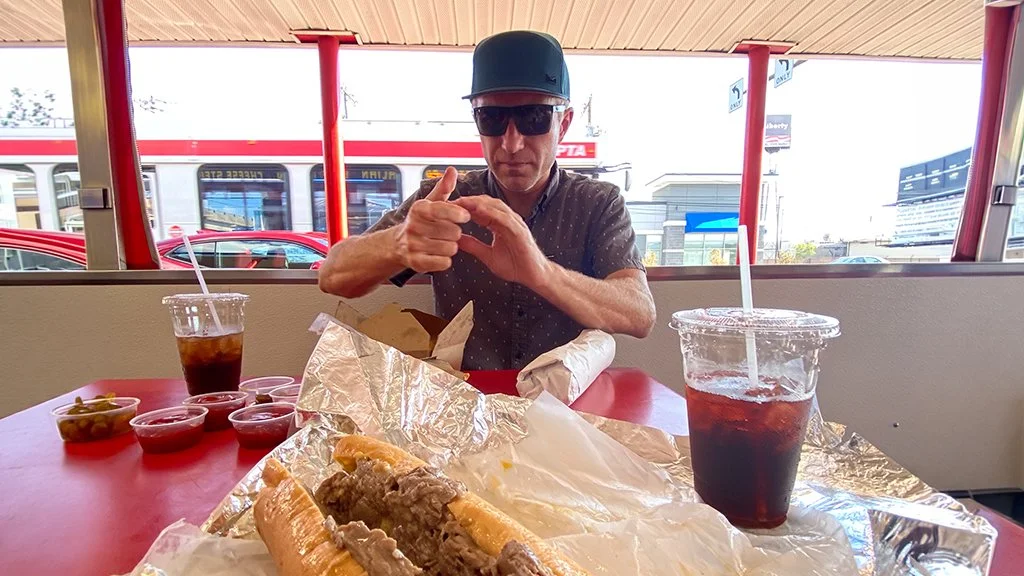
The schedules are often tight — flights, production days, and quick transitions between cities — but even within that pace there are moments that stand out. A quiet walk through a city after a long day of shooting. Finding a local restaurant recommended by someone at the facility. Watching the landscape change through the airplane window between assignments.
Years ago, while traveling on assignments with Peter, I learned the importance of paying attention to those moments — making time to experience the places you find yourself in, even if only briefly.
Travel has a way of breaking you out of routine and encouraging you to look more closely at the environments and communities around you. Those moments add perspective. They remind you that every facility, every team, and every project exists within a larger story.
The opportunity to travel for work like this is something I never take lightly. Each assignment is a chance to learn something new and to appreciate the places and people that make the work possible.

Looking Ahead
Working with Integra LifeSciences over the past several years has provided the opportunity to photograph a wide range of projects — from executive leadership to the environments where medical technologies are developed and produced.
But the manufacturing and research visits remain some of the most meaningful assignments.
They offer a rare look at the intersection of engineering, science, and human expertise — and the chance to document the people and processes behind technologies that ultimately improve patient care around the world.