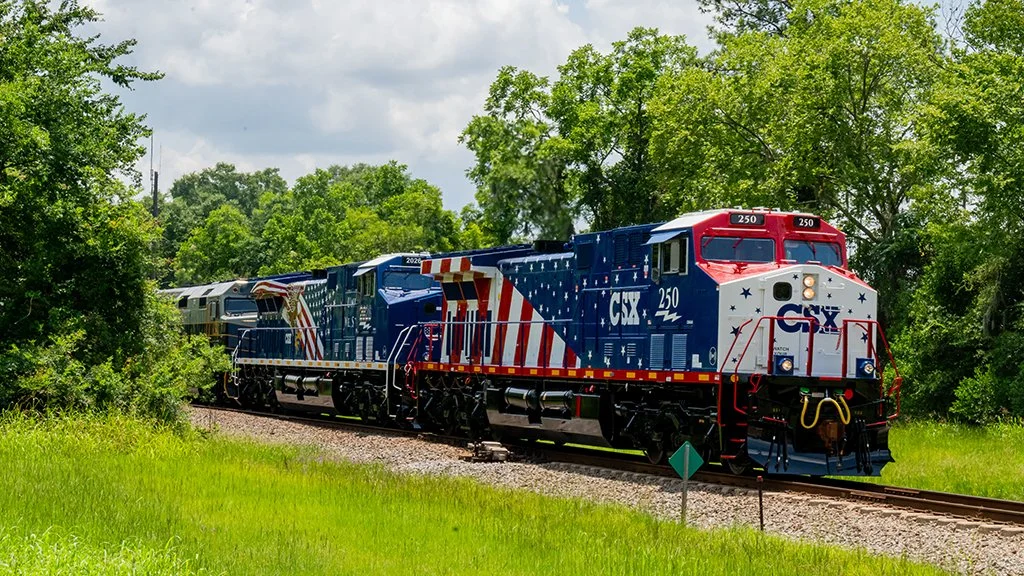
Chasing the CSX America 250 Executive Train for CROP Creative Media
Some assignments are remembered for the client.
Others are remembered for the location.
This one will always be remembered for the chase.
The Assignment
In late June, I joined the team at CROP Creative Media as the drone cinematographer for a production documenting CSX's America 250 Executive Train as it began its journey from Waycross, Georgia, to Washington, D.C. My role covered the first day of the trip, capturing aerial cinematography as the train traveled through Georgia, South Carolina, and into North Carolina before another crew continued the production north toward the nation's capital.
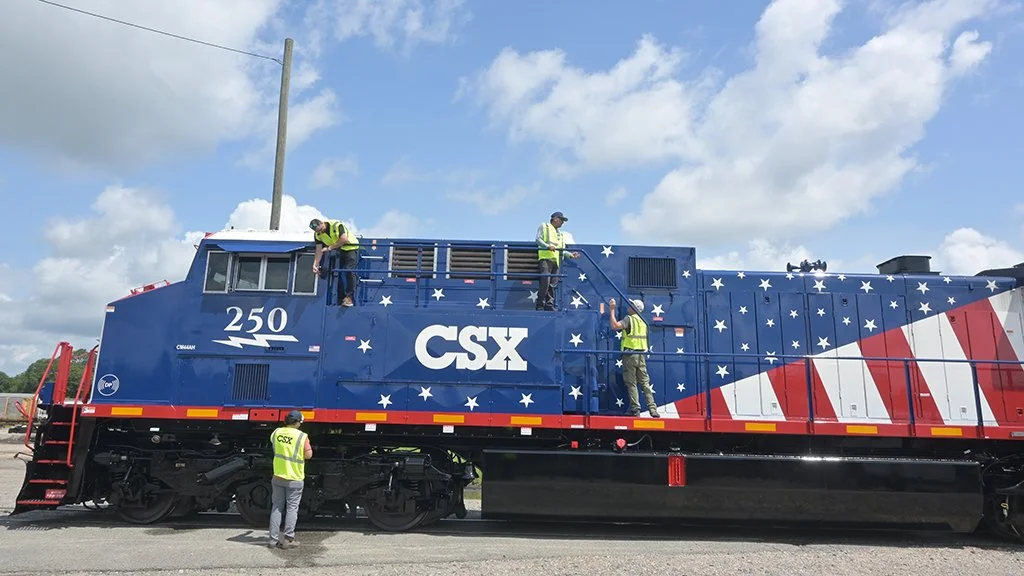
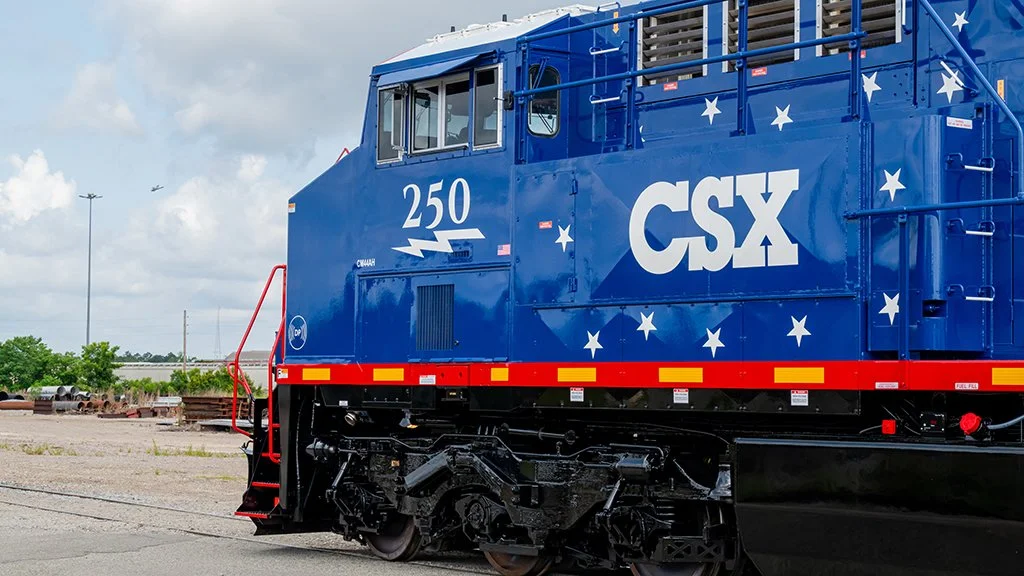
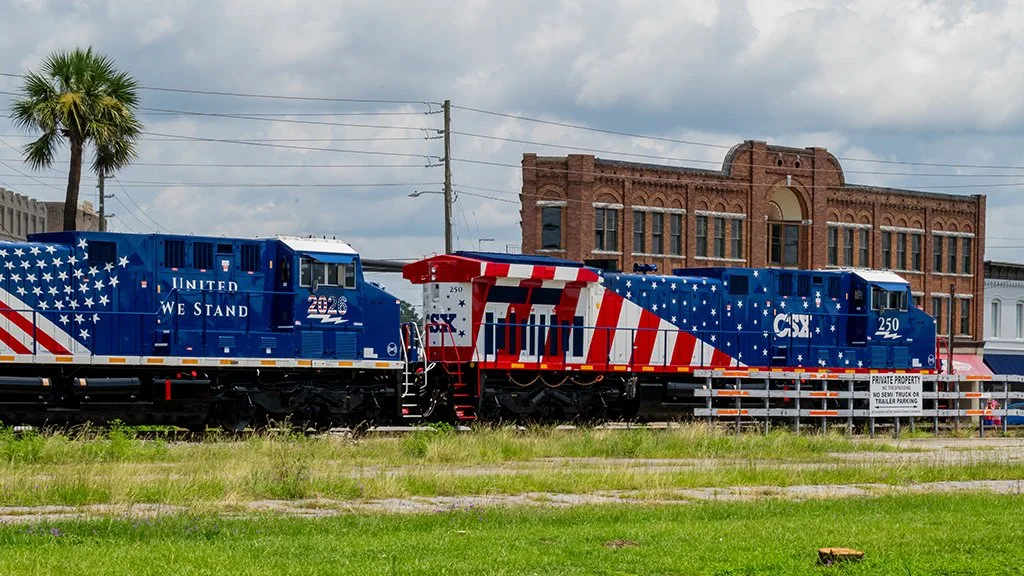
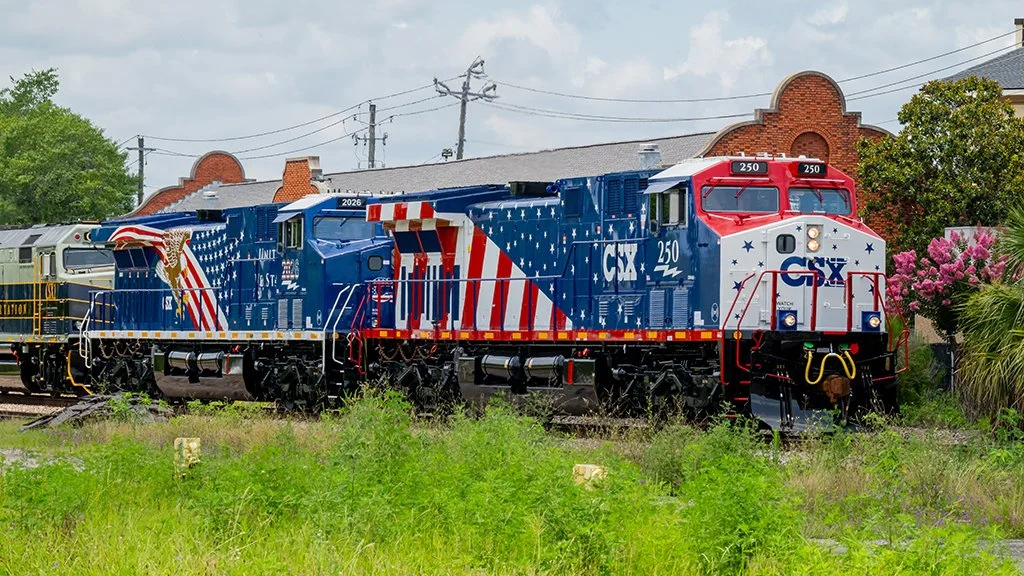
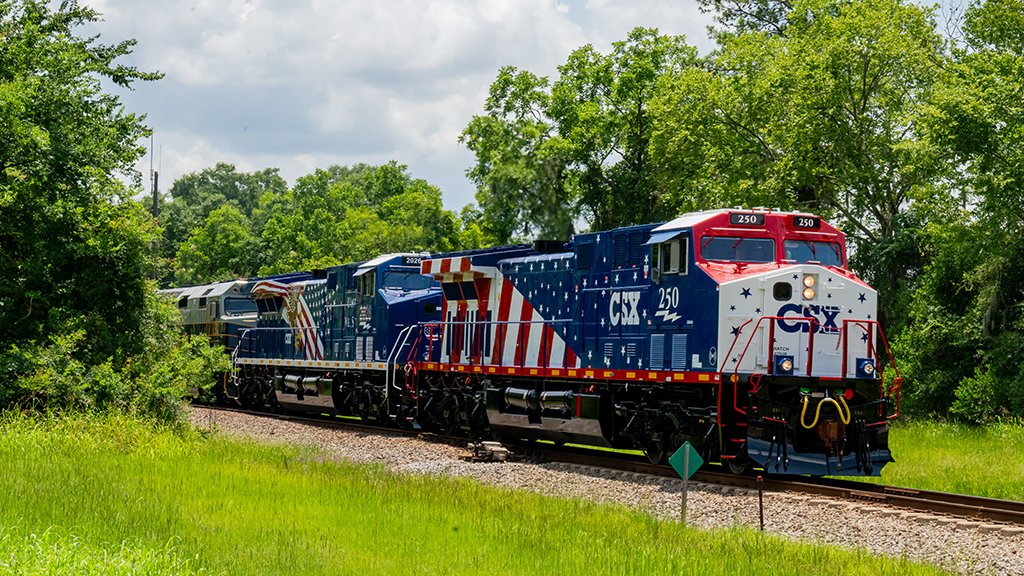
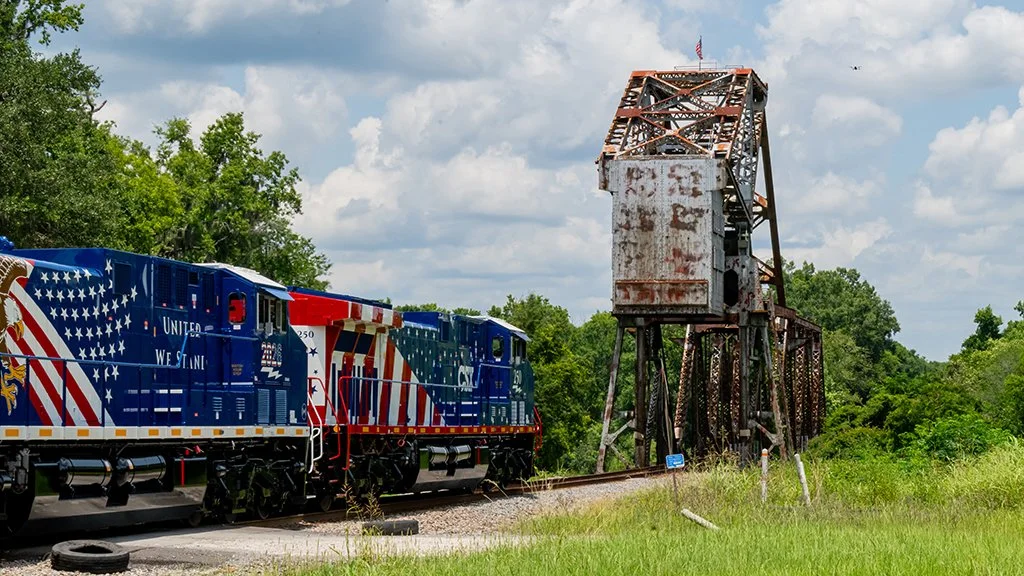
The project centered around two specially painted locomotives, Nos. 250 and 2026, which were created at CSX's Waycross shops to commemorate America's 250th anniversary. The locomotives later led a special commemorative train into Washington, D.C., where CSX hosted an event recognizing the country's recent Semiquincentennial celebration before placing both engines into regular freight service across its network. It's a fitting tribute—not museum pieces, but working locomotives that continue moving the freight that powers the American economy. If you'd like to learn more about the project itself, CSX published an excellent overview of the event and the significance behind the locomotives. Read CSX's America 250 story
From a production standpoint, the assignment seemed fairly straightforward.
The route had been scouted in advance, and we had identified a series of locations where I would leapfrog ahead of the train, launch the drone, capture the pass, land, and continue to the next location. On paper, it was a well-thought-out plan that would allow us to document the train against some of the most scenic backdrops along its route.
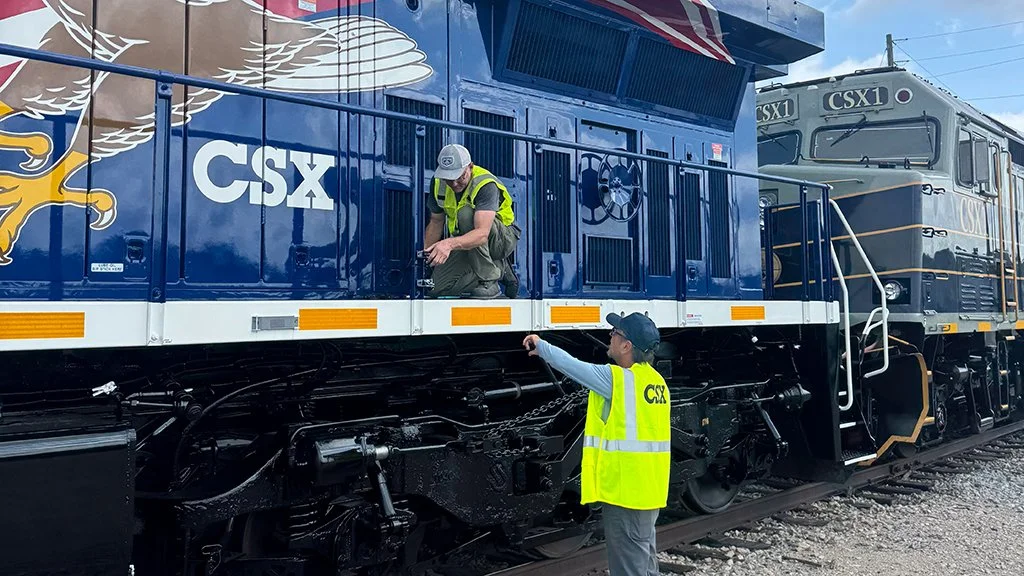
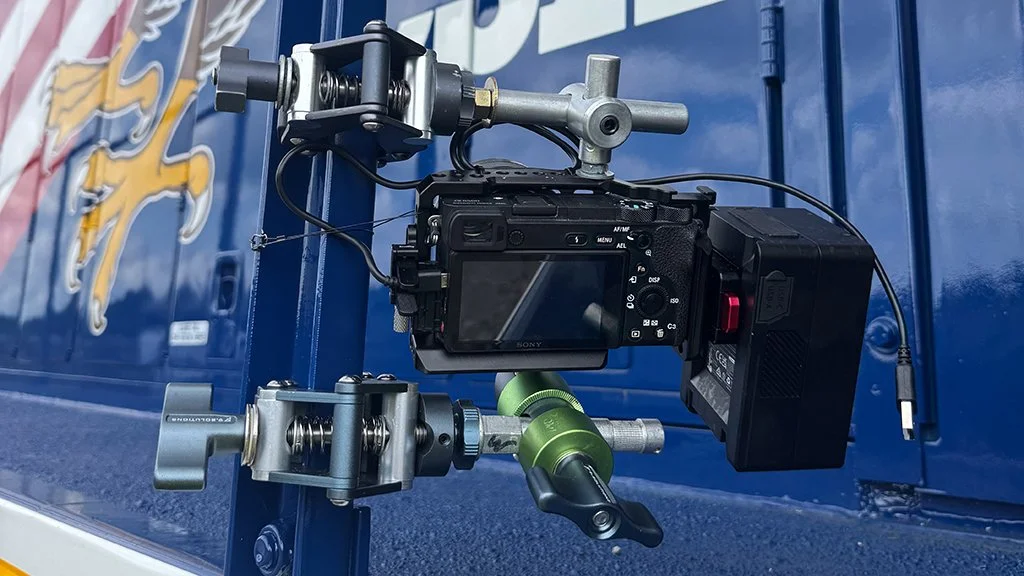
Before the train ever left Waycross, the production team carefully rigged multiple onboard cameras to capture perspectives that would complement the aerial and ground footage throughout the journey.
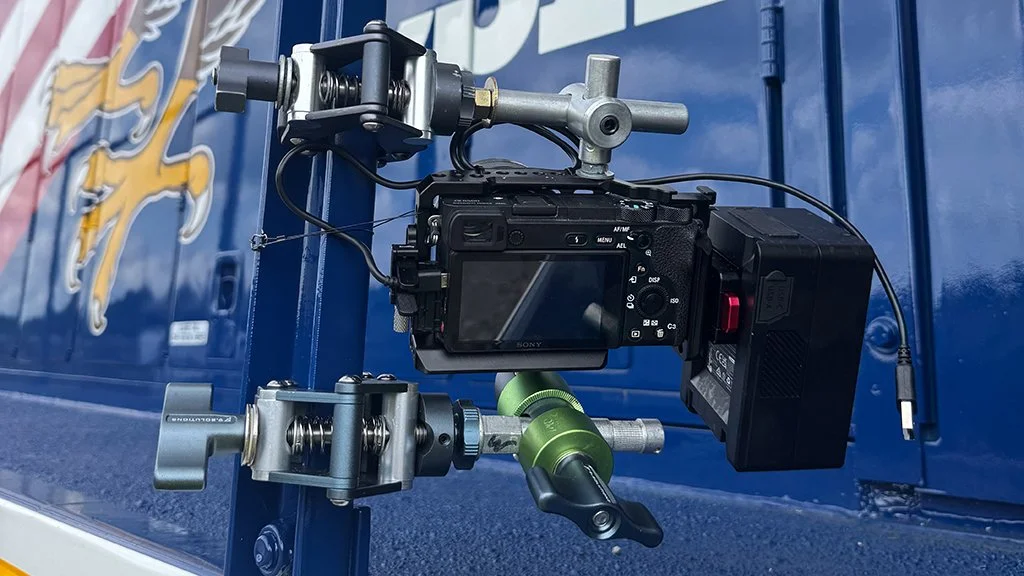
Every angle was carefully considered. While I focused on capturing the train from the air, the CROP production team mounted multiple onboard cameras to record perspectives that simply couldn't be captured any other way.
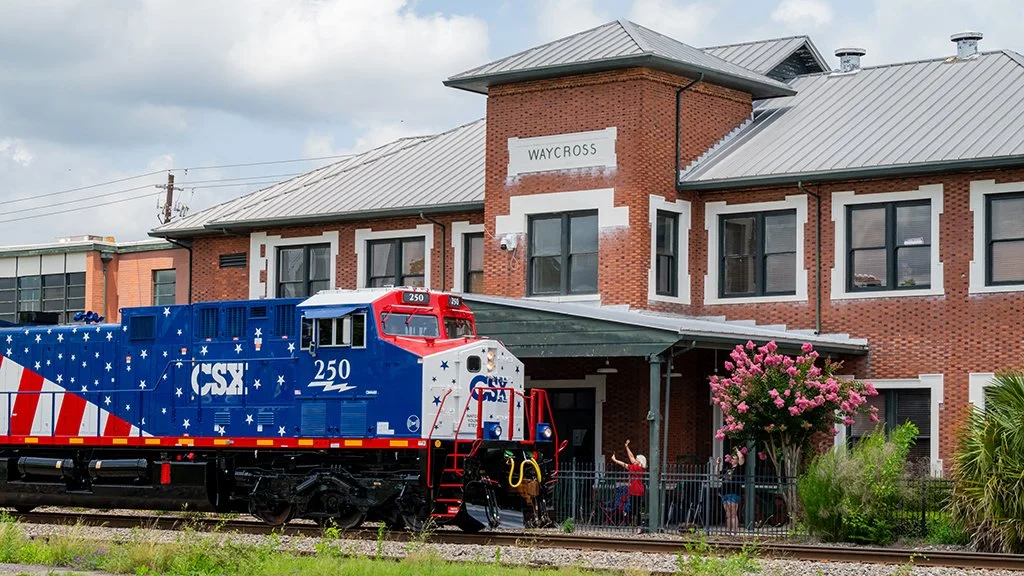
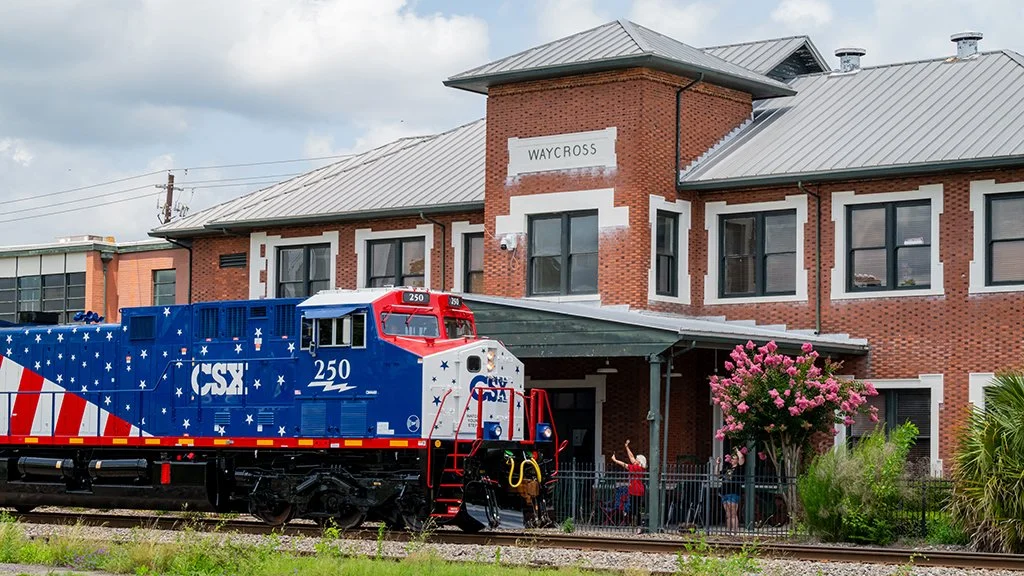
The journey officially began in Waycross, Georgia, where the America 250 Executive Train rolled past the historic depot before beginning its multi-state trip to Washington, D.C. This was also where our chase began.
The Chase Begins
The first shot couldn't have gone better.
We captured the America 250 Executive Train leaving Rice Yard in Waycross exactly as planned. As soon as I landed the drone, I packed everything into the van and we headed toward our second planned location at the Altamaha River Bridge near Jesup. By the time the drone was folded, the batteries were packed away, and we were back on the road, the train already had nearly a ten-minute head start.
It didn't take long to realize this wasn't going to be the leisurely executive train we had imagined during pre-production. For much of the day it maintained speeds approaching 65 miles per hour, and every minute we spent landing the drone, packing equipment, or driving to the next location meant the gap grew a little wider.
Fortunately, we caught one lucky break early in the day. The train was briefly delayed by rail traffic, giving us just enough time to regain our position and capture our second planned shot crossing the Altamaha River near Jesup. It was a welcome reminder that even the best-planned productions sometimes depend on a little luck.
Unfortunately, that would be our last scheduled shot for quite a while.
From that point forward, the train seemed to stay just beyond our reach. As it continued north through Savannah, crossed into South Carolina, and pushed toward Charleston, we found ourselves in a constant race against the clock. Every time we thought we had identified an opportunity to get back in front of it, another few minutes would slip away. Before long it became clear that this assignment wasn't just about flying a drone—it was about solving a logistics puzzle that kept changing with every mile.
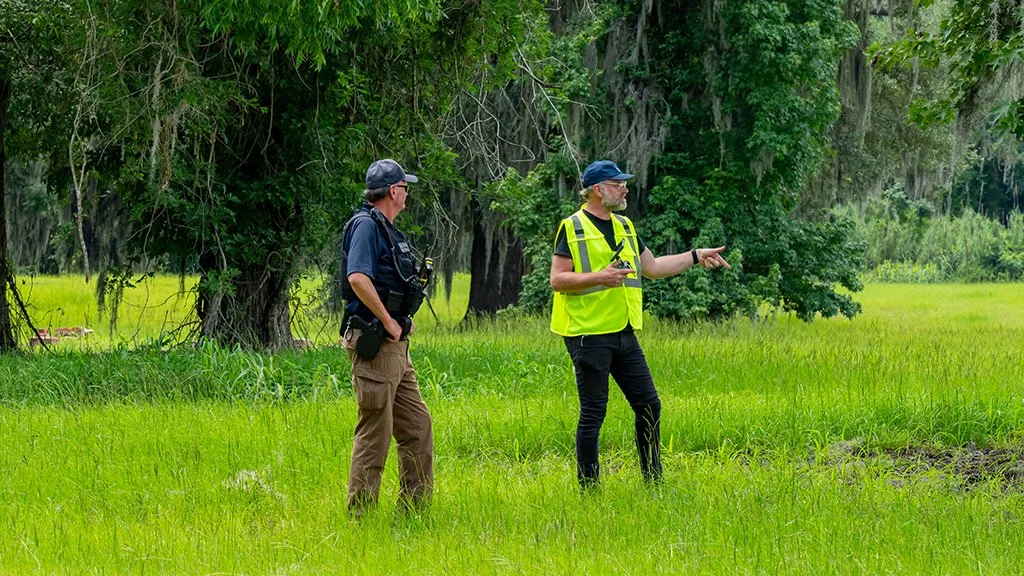
The original production plan quickly gave way to real-time problem solving. Constant communication with the railroad and production teams helped us adapt our route throughout the day in search of the next opportunity.
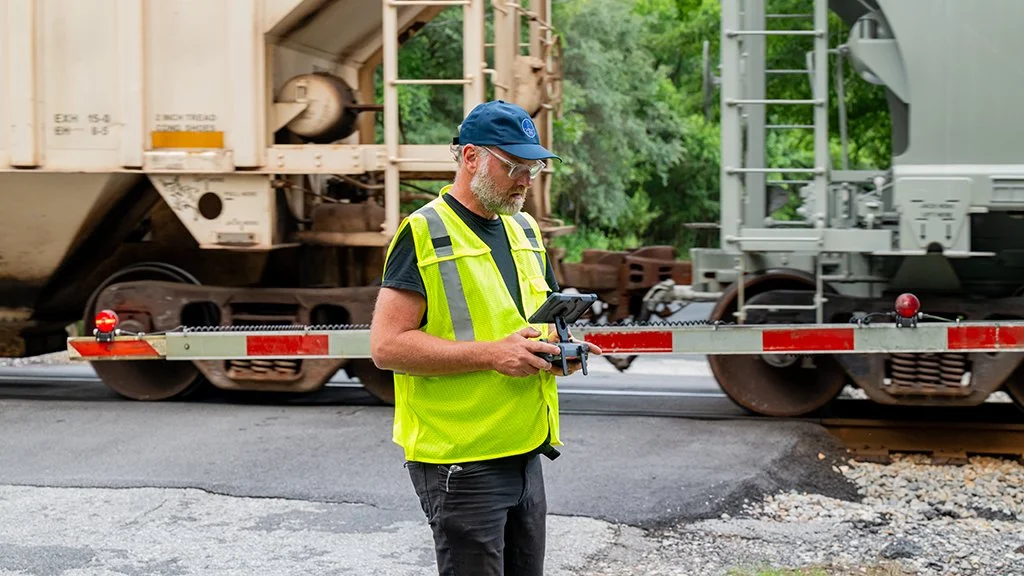
There wasn't much downtime between flights. Every stop was an opportunity to reassess the route, coordinate with the production team, and prepare for the next chance to get the drone in the air.
Rethinking the Plan
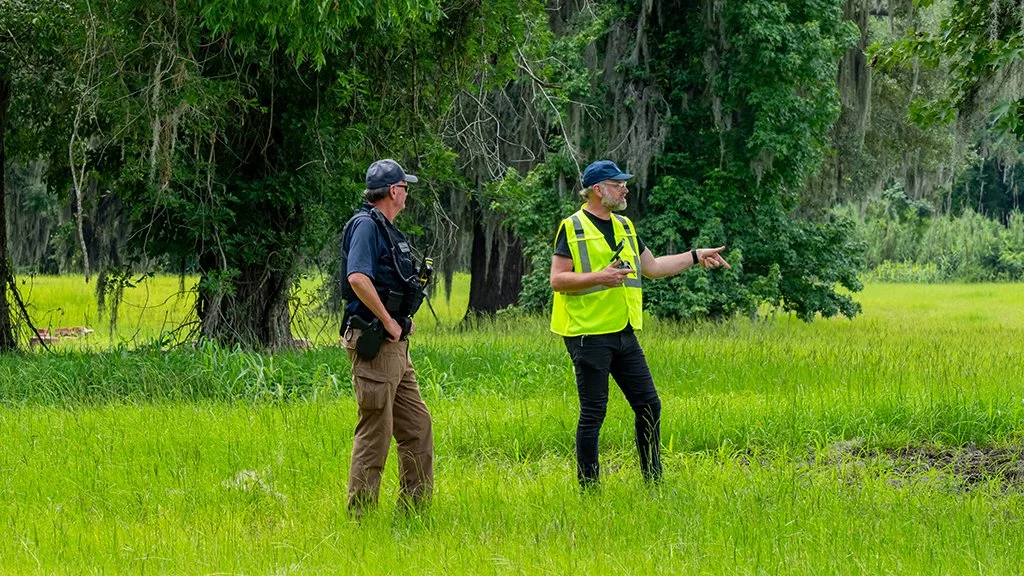
One thing most people never see is how much of commercial drone work happens before the aircraft ever leaves the ground.
Although we had a planned route, we quickly learned we couldn't simply plug the next destination into Google Maps and follow the blue line. The fastest route for a passenger vehicle wasn't always the quickest way to beat a train traveling at nearly highway speeds. Every decision became a calculation. Should we stick with the original plan? Skip a location? Take county roads instead of the interstate? Abandon one shot entirely in hopes of making the next?
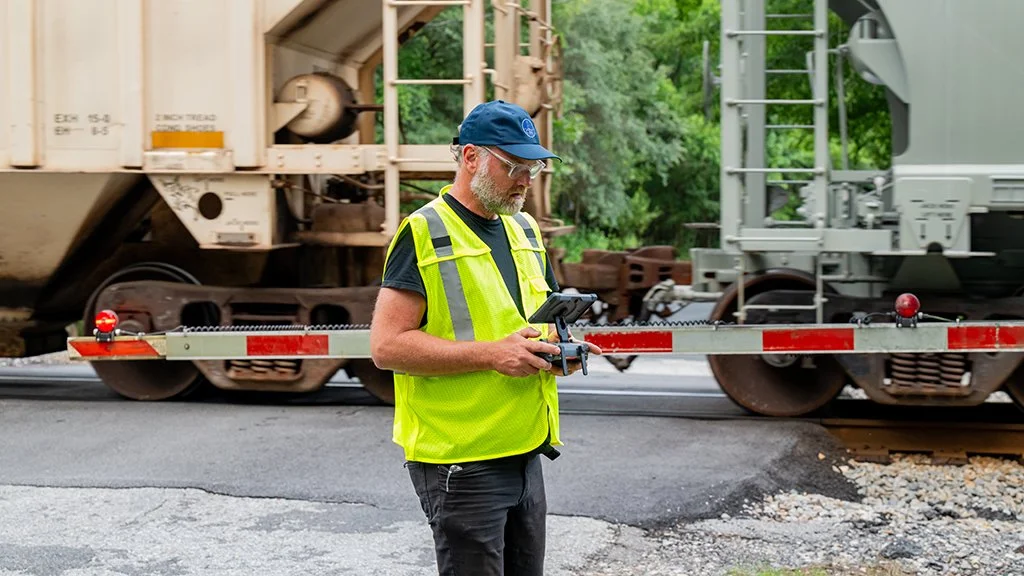
Throughout the day we stayed in constant communication with the ground camera team following the train. Every update about its speed, location, or an unexpected delay meant recalculating our own route. I found myself constantly bouncing between my laptop, iPad, and phone, using my phone as a hotspot whenever we had enough signal to pull up satellite imagery and rethink our next move. In the rural stretches of Georgia and the Carolinas, reliable internet wasn't always guaranteed, which made every decision a little more challenging.
That level of multitasking would have been impossible if I had also been behind the wheel.
Fortunately, I wasn't alone.
It Took Two People
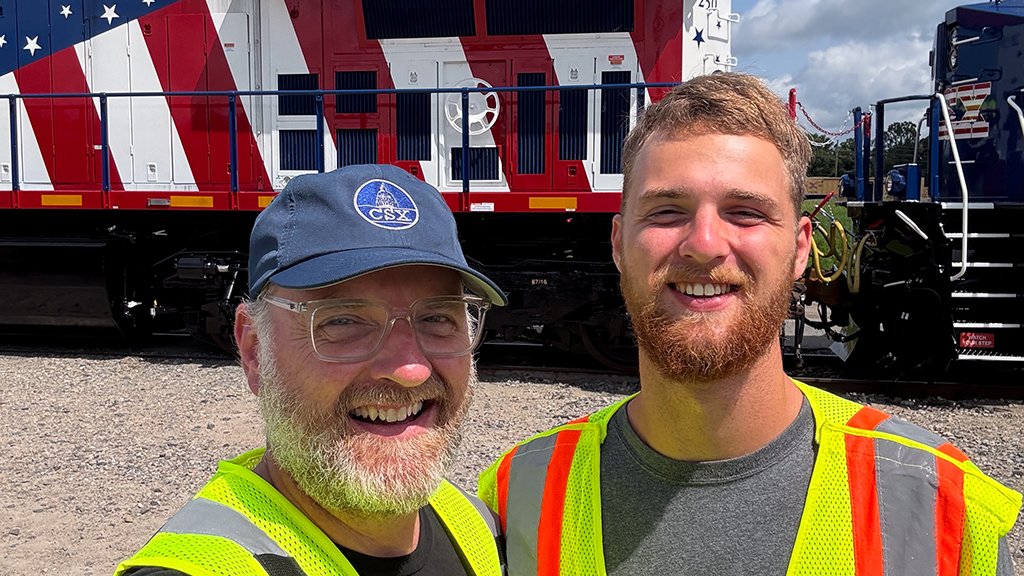
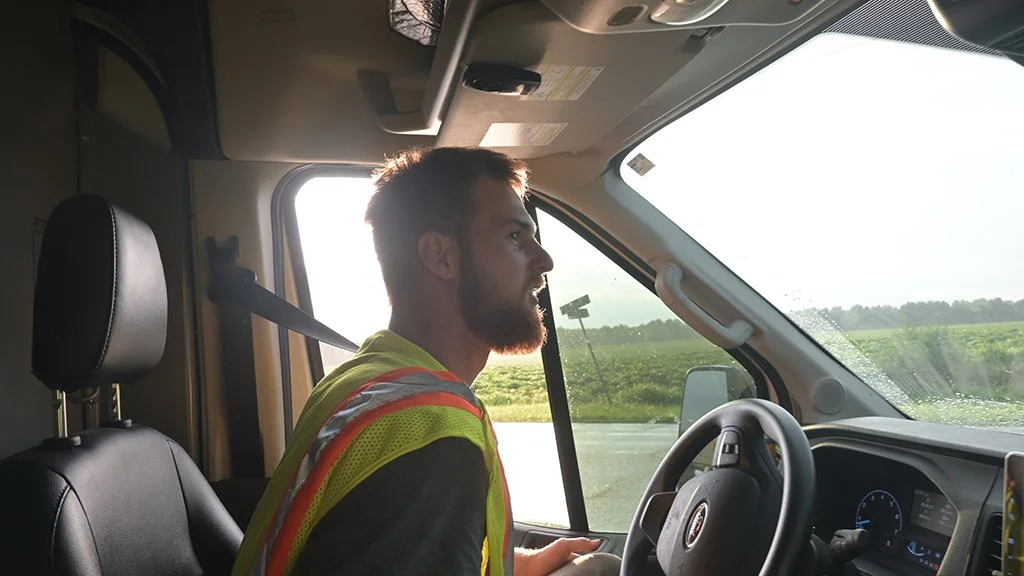
My son Avery joined me on the assignment as my driver, and quite honestly, I don't think this project could have been done safely by one person. While I focused on communicating with the production team, monitoring airspace, planning routes, and preparing for each flight, Avery kept us moving. Every time our plans changed—and they changed constantly—he adapted immediately, allowing me to stay focused on the production instead of worrying about the road ahead.
It also made the project personally memorable. Commercial productions don't often create opportunities to spend two full days working alongside family, and I'm grateful this one did. By the time we wrapped and pointed the van back toward Florida, we had covered more than 900 miles over two days. It was a lot of windshield time, but I wouldn't have wanted anyone else in the driver's seat.
Some assignments are memorable because of the work. Others are memorable because of the people you get to share them with. Spending two days chasing the America 250 Executive Train with Avery behind the wheel is a project I'll always remember.
While I monitored the train, coordinated with the production team, planned routes, and prepared for each flight, Avery kept us moving. Having a dedicated driver made it possible to adapt quickly and safely throughout the day.
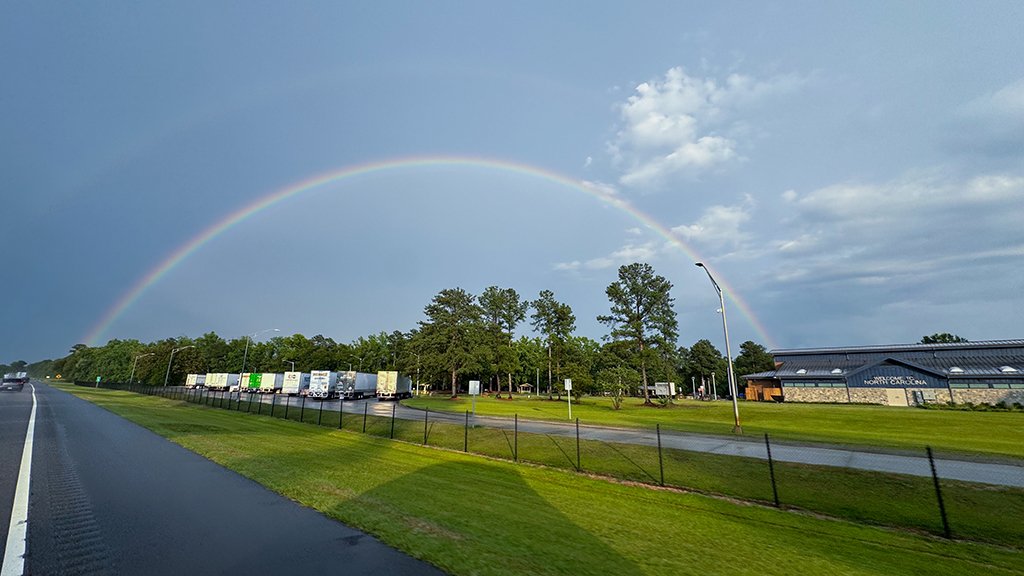
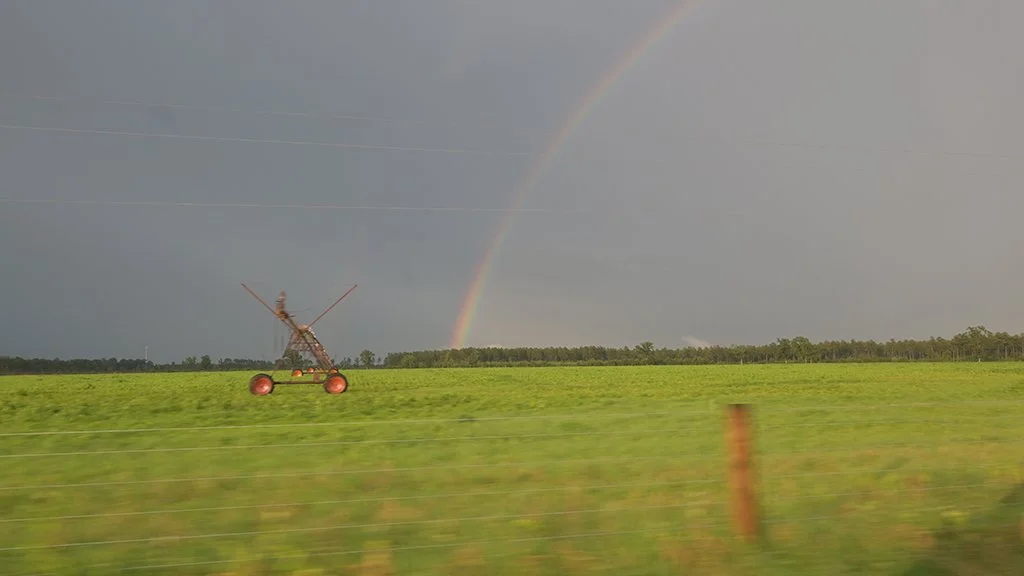
Summer storms followed us for much of the day, forcing constant adjustments to our route. Fortunately, the weather cleared just in time for the final drone sequence in Pembroke, where the lingering moisture created some of the most beautiful light of the entire production.
One Last Opportunity
By late afternoon it looked like the day might end with only two successful drone shots.
The train continued north, and despite our best efforts we simply couldn't get far enough ahead to safely launch, capture the shot, recover the drone, and move again before it disappeared down the tracks. Every missed opportunity was frustrating, but giving up wasn't really an option. We just kept looking for the next opening.
That opening finally came in Florence, South Carolina, where the train stopped for a crew change. For the first time all day we had enough breathing room to gain some distance, and we immediately headed north toward Pembroke, North Carolina. As we drove, a summer rainstorm rolled through the area. Under most circumstances that would have been the last thing I wanted to see, but by the time we arrived the rain had moved on, leaving behind conditions I never could have planned.
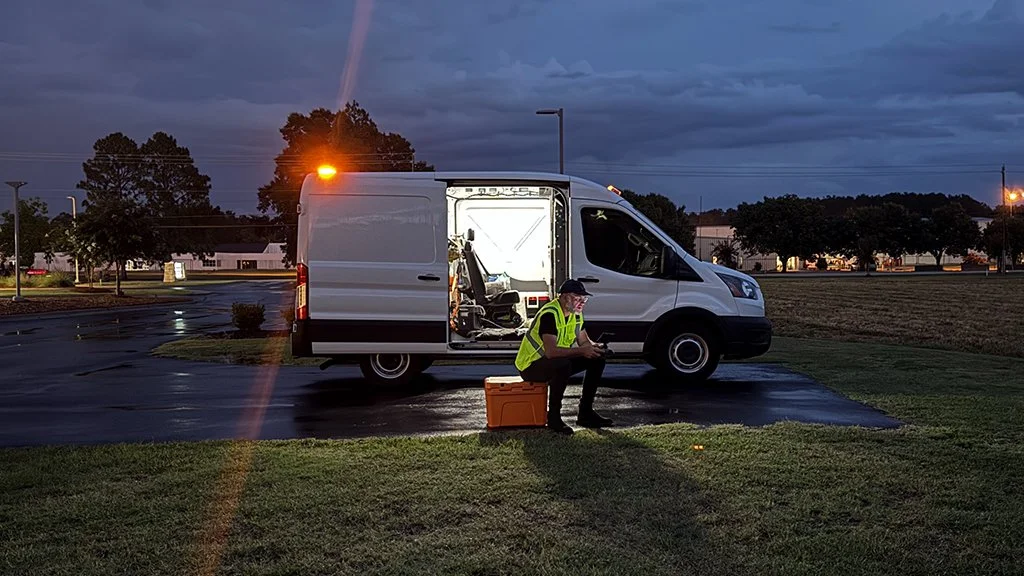
By the time we reached Pembroke, North Carolina, daylight was fading and we knew this would likely be our final opportunity. The drone was prepped, batteries were checked one last time, and all that was left to do was wait for the train.
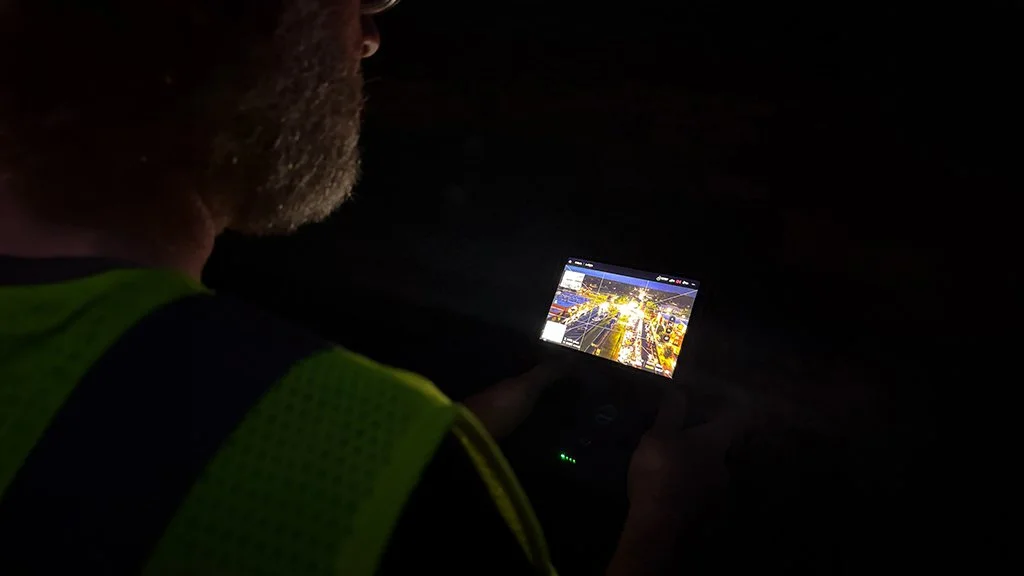
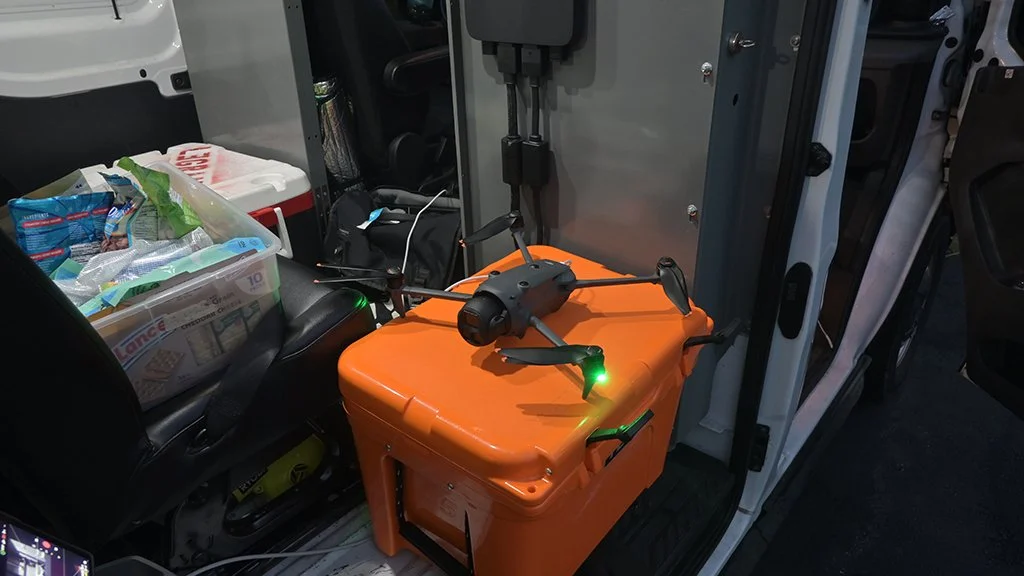
Preparation was everything. The drone stayed ready to launch at a moment's notice because every stop along the route had the potential to become our next filming location.
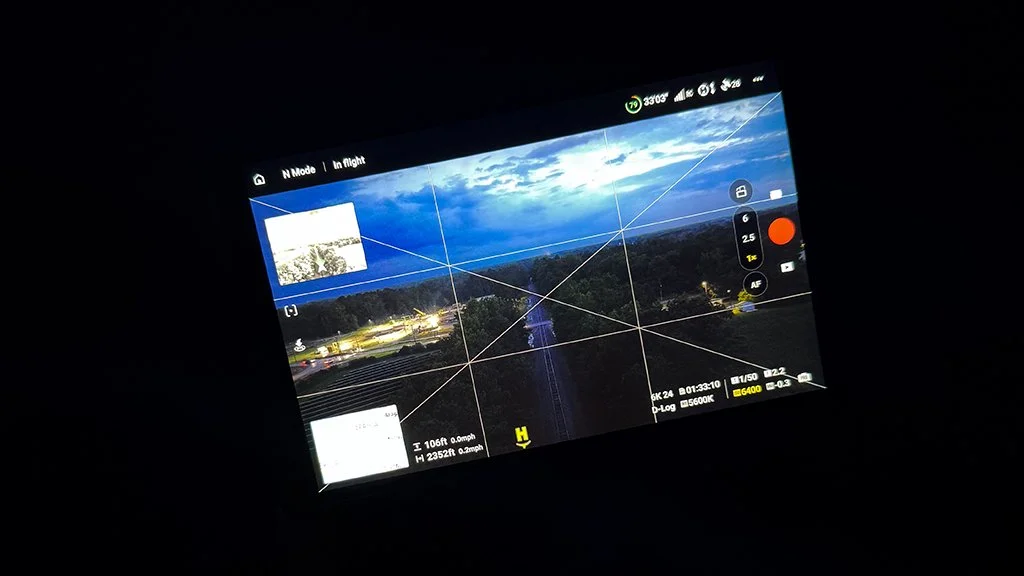
Everything we'd worked toward throughout the day came down to this moment. The train was approaching, the light was fading fast, and there would only be one chance to get the shot.
Sometimes everything finally comes together. The fading light, a passing summer storm, and one perfectly timed drone move made this my favorite shot of the entire production.
The Shot We Came For
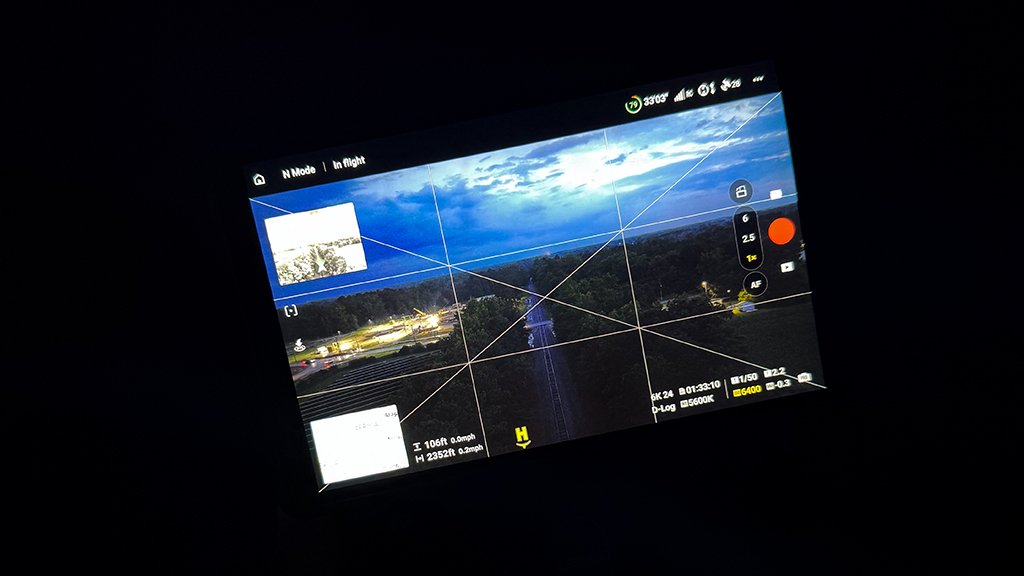
The air was thick with moisture, and as darkness settled in the locomotive's headlights began illuminating the rails far ahead of the train. The tracks seemed to glow through the haze, creating incredible depth and atmosphere. It was nearly 9:00 p.m., but the western horizon still held the faintest traces of color. Because the train was traveling south to north, those last slivers of blue and orange became the perfect backdrop for the approaching locomotive.
I launched the DJI Mavic 4 Pro and positioned the drone directly over the tracks. As the train emerged from the distance, I slowly tracked backward, carefully matching its speed while keeping the composition locked in. Eventually the locomotive overtook the drone. At that exact moment I climbed, rotated 180 degrees, and dove back toward the train, revealing it as it emerged from the trees and wound through the crossings in downtown Pembroke.
The shot lasted only a few seconds.
It instantly became one of my favorite drone shots I've ever captured.
Not because it was technically the hardest flight I've ever made, but because every frame had to be earned. It represented an entire day of adapting, recalculating, communicating, driving, and refusing to quit when the original plan fell apart.
More Than Just a Drone Shot
That final sequence also reminded me how much confidence matters when you're working with your equipment. By the time I launched in Pembroke, there wasn't going to be a second chance. The train wasn't slowing down, the light was disappearing by the minute, and once the locomotive passed beneath the drone, the opportunity was gone.
The DJI Mavic 4 Pro performed beautifully throughout the flight. Matching the speed of a fast-moving train while maintaining smooth, controlled camera movement felt remarkably natural, allowing me to focus entirely on composition and timing instead of fighting the aircraft. Even more impressive was the camera's performance after sunset. Shooting at a higher ISO, it retained enough dynamic range to preserve the subtle color that remained in the western sky while handling the bright locomotive headlights and the darker landscape without falling apart.
As impressive as the technology is, the drone wasn't what made the shot successful. It was simply the tool that allowed months of experience, careful planning, and a full day's worth of problem-solving to finally come together. Great equipment doesn't create great imagery, but when the moment finally arrives, it gives you the confidence to make the most of it.
Want to see how it all came together? Here's the finished edit from the entire journey. My drone footage is woven throughout the story—see if you can pick out the aerial shots.
Looking Back
When I think about this project now, I don't spend much time thinking about the shots we missed. What stays with me are the conversations over the radio as everyone worked together to create another opportunity, the constant rerouting as the train pulled farther ahead than any of us expected, and the teamwork it took to keep adapting throughout the day. I'll remember Avery confidently changing course every time another plan fell apart while I searched for the next route, checked airspace, and stayed in communication with the rest of the production.
Commercial productions rarely unfold exactly as they're drawn up during pre-production. They demand flexibility, trust in your team, and the ability to solve problems in real time. Some days everything goes according to plan. Other days the plan changes every fifteen minutes, and success comes down to staying patient and making the most of the opportunity when it finally presents itself.
When I watch that final drone shot from Pembroke, I don't just see a train rolling through North Carolina at sunset. I see the hundreds of miles we drove to get there, the countless decisions that led us to that location, and a day that reminded me why I enjoy this work so much. Every project presents a new challenge, and every once in a while those challenges lead to something truly special.
Sometimes you drive 900 miles for 90 seconds of footage.
Sometimes those 90 seconds become your favorite work of the year.